NOW EXPERIENCING:What in the wine?

Read time 3 Mins

Posted 21 Apr 2023

By
Patrick Boxall


Your go-to guide on organic, biodynamic, preservative-free, and vegan wine.

More now than ever, the options for wine lovers are endless and that can only be a good thing. With the explosive rise of organic wines (add a link to the organic wines range) in the past decade, along with a tidal wave of environmental consciousness, it’s no surprise that curious drinkers are looking for a more natural and interesting wine experience. Along with organic wines - biodynamic, vegan and preservative-free options are having their moment in the sun, and we’re loving it. But do you really know the difference? Let’s take a deep dive into these four categories and find your next favourite…
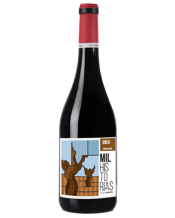
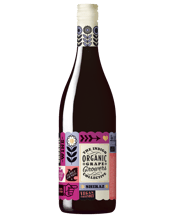
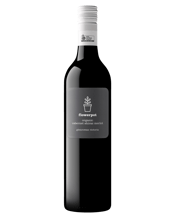
Organic wineOrganic wines are quite simply, made as nature intended, free from the use of artificial chemical fertilisers, pesticides, fungicides and herbicides. And no, that’s not a tagline, it’s just the truth. With a focus on working with nature, instead of against it, well-loved organic wine producers like Indigo Organic Growers, Mil Historias and Flowerpot are able to produce top-notch and delicious wines that are free from artificial chemicals (in the soil, vines and wines) in a way that pays respect to the environment. The result? Pure, expressive and bolder wines that authentically reflect the terroir with va-va-voom. And the best part is that organic wines cost about the same as non-organic, so you can try them without breaking the bank. Line up an organic and a non-organic wine tasting and let us know how they rate!
Biodynamic wineLike organic wines, biodynamic wines follow the same production standards and avoid the use of chemicals, however, it also looks to the stars for guidance, specifically the biodynamic calendar which is centred on the lunar calendar and astrology. Now before you brush this off as a bunch of spiritual hoo-ha, the biodynamic philosophy is a pretty interesting one and innovative for its time. Defined as “a spiritual-ethical-ecological approach to agriculture, gardens, food production and nutrition” the idea was founded by Austrian philosopher Rudolf Seiner in the early 1920s, with a belief that viewed the farm or vineyard as one solid organism. How does this apply to your biodynamic wine you may ask? Well, from using natural materials and composts to sustain the vineyard, to following the biodynamic calendar to guide winemaking practices and minimal human intervention - the winemaker’s focus is on sustainability and working in harmony with the natural ecosystem - this ensures that the vineyard is self-sustaining for generations to come. Fun fact: According to the biodynamic calendar, the best days for drinking wines is when the moon is in any of the fire signs: Aries, Leo and Sagittarius between 3am and 3pm, where you may notice that the fruit flavours are richer and more vibrant. Kick-off your journey with renowned biodynamic producers Cullen and Jasper Hill and let us know if the theory is true!
Preservative-freeIt’s very common for preservatives like sulphur dioxide (also known as sulphites and Preservative 220) to be added to wine to maintain freshness, protect against oxidation and prevent bacterial spoilage. Although it’s important to keep in mind that trace amounts of sulphites are naturally produced during fermentation. We all have that one friend that complains about sulphites in their wine. While they may experience a headache from drinking wine, they either had one too many (leading to dehydration) or have a legit sensitivity/allergy to sulphites, which in that case means they probably can’t stomach dried fruits or pickled onions (both very high in sulphites). When it comes to choosing a preservative-free bottle of wine, just look at the label and see if it mentions Preservative (220) or sulphites added. If you have a sulphite sensitivity or allergy, preservative-free wines are the way to go. Fun fact: It’s easier to find preservative-free red wine than a preservative-free white wine, as red wines are naturally lower in sulphites, are higher in alcohol and contain tannins - both a natural preservative. Get started with Hero of Zero Preservative-Free Shiraz.
Vegan wine

Vegan wines are produced without the use of any animal products. Easy, right? Well, not quite. If you’ve ever looked at the back of a wine label and noticed that it may contain traces of eggs or fish and wondered how the heck it got into your wine, we’ll explain. Young unfiltered wines are pretty funky-looking (we’re talking floaties and the like - mmm, yum...), so to improve the clarity, many winemakers choose to use ‘fining agents’ which are usually animal-derived products. On the flip side, for vegan wines that are fined, the winemaker will use vegan-friendly fining agents such as bentonite clay, activated charcoal, limestone and silica gel. It’s important to note that the fining agent used doesn’t impact the actual taste of the wine, so it’s a level playing field based on the quality of the soil, winemaking techniques and processes. If you prefer a more ‘natural’ winemaking method, look for wines that have ‘not fined’ or ‘not filtered’ on the label. At the end of the day, if you can choose a wine that aligns with your vegan values, then why not - the more choices, the better! Taste the difference with our favourite vegan picks, The Vegan Wine Project Shiraz and Mil Historias Grenache.

And there you have it, an introduction to organic, biodynamic, preservative-free and vegan wines, which goes to show that there’s more than one way to make a wine without sacrificing great taste. The question is, what are you going to try next?