


A simple guide to Burgundy's world-famous (and often complex) wines.
Few wine regions touch the hearts of misty-eyed wine lovers like Burgundy does. It's been one of the world's top wine-producing areas for centuries now and is revered across the globe for its exceptionally high-quality pinot noir and chardonnay wines.
The secret? Limestone soil and some seriously talented winemakers. Burgundian wines are known for being especially reflective of the terroir – that is, the natural environment (climate, soil, topography) in which vines are grown. It can be a confusing region to understand, but some basic knowledge will go a long way to falling in love with Burgundy, both the place and the wines.
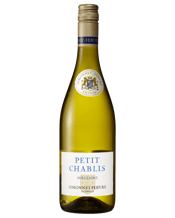
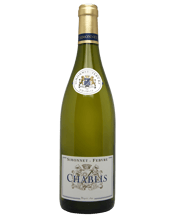
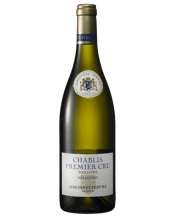
Chablis is a designated AOC for chardonnay wines and known for producing generally unoaked styles that showcase flavours of citrus and stone fruits. Jean Marc Brocard is one of the region's leading producers and their wines tend to be fruit-driven with plenty of energy, balance and length.
The difference between Chablis and Petit Chablis comes down to soil; Petit Chablis is grown in soil deemed to be of lesser quality, however, the wines aren't necessarily lacking quality. They just tend to be fresher, lighter and less complex than Chablis proper. For the full Burgundian experience, try pairing a glass of Chablis or Petit Chablis with Plaisir au Chablis – a mighty pungent, but mighty tasty local cheese that's washed once a week in Chablis.
This is a red Burgundy made by Domaine Charton with fruit from the village of Mercurey, in the Côte Chalonnaise subregion. Despite there being no Grand Crus in this area, the reds here are known for being particularly good value, so it's worth keeping an eye out for 'Mercurey' on labels. The 'Vieilles Vignes' refers to 'old vines', which tend to produce more concentrated wines. This particular wine has some wonderful red and black fruits with a bit of spice too, making for a great entry-level Burgundy.
Try pairing every this wine with local specialty beef bourguignon, a beef stew braised in red wine. It was originally a simple peasant's dish flavoured with onions, carrots, mushrooms and bacon, but the 20th century saw it become a staple of French cuisine and find favour in the upmarket Parisian bistros.
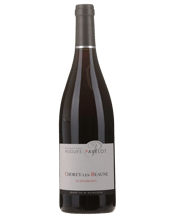
This wine is produced by Maison Hugues Pavelot in the village of Chorey-les-Beaune, which is part of the Côte de Beaune subregion. 'Les Beaumonts' is the vineyard where the fruit is grown and has been noted on the label because it's known as one of Chorey's best plots of land. It's really juicy and on the dark side with black cherries, plums and some savoury notes for balance. There are only 375 cases made every year and it's a testament to what Burgundy's supposedly 'lesser' vineyards are capable of.
Foodwise, something like this is a great choice to pair with coq au vin, another Burgundian dish that translates 'as rooster in wine'. Its origin has been traced back to ancient Gaul and the time of Julius Caesar and like beef bourguignon, it's a simple, rustic dish that gained popularity in the 20th century and became a celebrated example of French cuisine. It's rich and aromatic, earthy and tangy, and makes use of red Burgundy as a key ingredient along with mushrooms, onions and chicken.




%20(1)?$dans-daily-web-image$&hei=900)
?$dans-daily-web-image$&fmt=png-alpha&wid=800)