


Didn’t finish the bottle? Here’s how long the wine will last, plus tips to make it last longer.
At some point, every wine drinker has held their nose over an open bottle of days-old wine and wondered if it’s still any good. But the answer to that question isn’t simple. There are a number of factors at play: the type of wine, how it was stored and even how much is left in the bottle.
While every wine is different, there are some general guidelines that can help slow down the ageing process before it goes bad. For the best advice we turned to Dan Murphy’s Wine Merchant Sean Menzes. Sean briefly touched on how long wine lasts when he answered our most frequent wine questions, and now he’s back to dive deeper into the subject.
“The main chemical reaction that happens to open wine is oxidation. Once the wine's open, you expose it to oxygen. It will start reacting just like, for example, if you left a piece of apple outside. The apple will turn brown after a certain time,” explains Sean.
But isn’t oxygen good for wine? Aren’t we meant to let our wine breathe and swirl the glass to open up the flavours? Yes and no. “A little bit of air is what's recommended to freshen up the wine. Oxidation, however, is when the wine has been overexposed and the oxygen starts to harm or overpower the beautiful aromatics and flavours of the wine.”

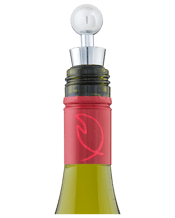
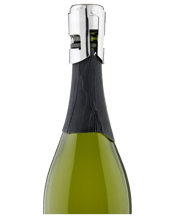
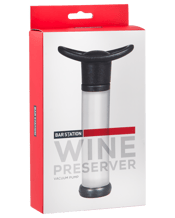
Keeping a wine sealed is the most important step in fighting oxidation. Investing in a bottle stopper with a good seal will help keep air out of open bottles. Unfortunately, the old trick of putting a teaspoon in the neck of an open bottle of sparkling will do nothing to preserve its lifespan. Instead, save those precious bubbles with a proper sparkling stopper.
One of Sean’s favourite hacks is to transfer leftover wine into a smaller bottle to reduce the surface area exposed to air. A standard wine bottle is 750mL but some wines are available in 375mL half-bottles. Keeping an empty half-bottle on hand means you’ll have the perfect vessel to transfer leftover wine into when you need it.
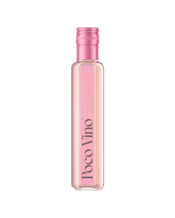
And speaking of smaller wine servings, these days there are a number of smaller bottles and single-serve wines available. If you don’t think you’ll finish a full-size bottle of wine, you might be better off cracking open a can of rosé or something from the Poco Vino range.

The best way to find out if your wine has gone bad is by smelling it. According to Sean, you’ll know when something’s not right. “I would say the first sign is dullness and a lack of flavour. When you smell, you kind of get a musty fruit smell. Almost like if you cut a piece of fruit, left it out, and it started rotting.”
Is there any way to save wine that’s gone bad? Sadly no, there’s really not. RIP.


%20(1)?$dans-daily-web-image$&hei=900)
?$dans-daily-web-image$&fmt=png-alpha&wid=800)