


Can I drink wine that’s been open for a week? And all your other burning questions answered by our experts.
We’re firm believers in the ethos of ‘there’s no stupid questions’ – but let’s be honest, no one wants to look like a muppet in front of the bartender. If you’ve got a burning question about wine you’ve been too afraid to ask out loud, chances are you’re not alone. But instead of turning to the dumpster fire that is Yahoo Answers, you can just keep on reading. We’ve asked all the questions for you – and better yet, we’ve asked walking wine Wikipedias (and Dan Murphy’s Wine Merchants) Gabriella Rush and Sean Menezes to give us their expert answers.
Without further ado, here’s the answers to the most frequently asked wine questions.
- Q.Is natural wine the same as organic wine?
A: They’re not the same! Organic wine is created by winemakers with an organic certification who don’t use conventional pesticides, herbicides, or fungicides in their farming or winemaking practices. Natural wine is an umbrella term used to describe wine that’s had nothing added to it or removed from it.
- Q.Does price reflect quality?
A: It’s up to individual preference. There are expensive wines that are delicious but there’s also affordable wines that are equally delicious. Generally, a wine will cost more if it involves more labour or expensive materials. We all want wines that are great quality, but the price doesn’t necessarily always reflect that.
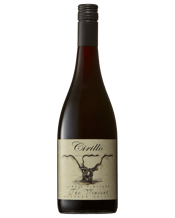
- Q.Why do some pinot noirs look like Ribena?
A: There are many factors that impact the colour of pinot noir. Seasonal changes, the type of pinot grape used, and the length of time the grape skin is immersed in the juice during the winemaking process all influence the colour of the wine. Think of the shade as a stylistic expression of the winemaker.
- Q.Do countries have specific varietals for which they’re known?
A: Germany is known for its riesling, New Zealand hangs its hat on sauvignon blanc, Spain is the land of tempranillo and France’s chardonnay is legendary. In some European countries, grape varieties are controlled by wine laws, so they can be only labelled with that region if they are produced with the accepted varietal. Living somewhere as geographically diverse as Australia, the world is our oyster. We’ve taken other country’s rockstar grapes and made them our own.
- Q.Any tips for buying wine online?
A: Anonymous online reviews can be helpful but take them with a grain of salt. Everyone has a different palate and what makes a good wine is so subjective. When buying wine online, stick to the tried-and-true styles you know you like. If you want to try new varieties, head in-store for a tasting. Our wine team is always up for a chat!
- Q.What is sulphite-free wine? Don’t grapes have sulphites naturally anyway?
A: Sulphites naturally occur in wine as well as foods like eggs, broccoli, and onions. Sulphur dioxide has been used as a food preservative for centuries. Some winemakers also add sulphur dioxide during the winemaking process. A 100% sulphite-free wine has had all sulphites removed.
- Q.How long does wine last once it’s opened?
A: The key is to close the bottle as soon as you can, and if it’s a chilled wine pop it back in the fridge ASAP. Once refrigerated, open whites and rosé will last roughly three to five days and sparkling one to two days (invest in a good bottle stopper to save the bubbles). An open red wine if closed immediately lasts on the shelf four to five days in winter or in summer it’s two to three days.
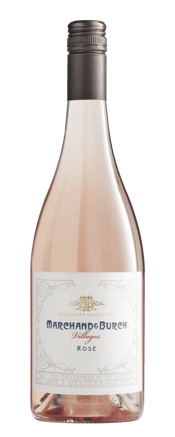
- Q.What gives rosé its colour?
A: The colour of rosé, like any wine made from red grapes, comes from the skin. In one of the most common methods for making rosé, the grapes are macerated, meaning once they’ve been picked they’re left to sit for 12–24 hours before being pressed. The colour of the rosé darkens the longer the grapes are left to macerate.
- Q.Why do some wines have corks and some have screw-tops?
A: Cork versus screw-top is the biggest rivalry in wine. There are positives and negatives to both sides. A common misconception is that a wine featuring a cork is better quality, but that’s not necessarily the case. Cork is more popular with traditionalists who say it helps wine age. However, you can have a “corked” wine, which is where the wine is tainted and becomes unpleasant. Screw-tops are more new school and mean there’s no chance a wine can be corked.
- Q.Why do people swirl wine?
A: Taste and smell are a duo; they work hand in hand when we’re eating and drinking. Swirling activates a wine by combining it with oxygen to bring out the aroma. That means you can taste it better too. Give it a try, get into the habit, and see what you discover. Just don’t try swirling a glass of sparkling in a flute!
- Q.How do you know which wines to age and which to drink now?
A: Here’s a truth bomb – most wines are not age worthy. The vast bulk of wine is bought by people looking to drink it immediately and so that’s what most wine is made for. If you do find something special, you’ll need to consider the tannins, acidity, sweetness, and alcohol content to determine whether it’s worth ageing. The best and easiest way to do that is to get in touch with our in-store Wine Merchants who can tell you. Or check out our Cellar Release range, where we do all the hard work of cellaring wine for you.
- Q.Can red wines be served chilled?
A: Absolutely! And it’s actually quite trendy right now. Try chilling lighter styles which suit it better, like pinot noir, lambrusco, grenache, tempranillo, Beaujolais, malbec. And don’t forget sangria — you could give this famous wine cocktail a try as a gateway to chilled reds.






%20(1)?$dans-daily-web-image$&hei=900)
?$dans-daily-web-image$&fmt=png-alpha&wid=800)