


Make like a sommelier and put these pro tips into practice.
A glass of wine and a plate of food might each be delicious on their own, but when the right combination is served up together, the whole dining experience can hit new heights. It’s easy to think that pairing food and wine is a dark art best left to the experts, but once you’re across a few ground rules and flavours, you can mix and match with the best of them.
If you want to know how to pick the most compatible wine when you’re dining out, or you’re keen to level up your hosting game, stick with us. The following eight rules aren’t the only ways to nail the perfect match, but they’ll still have you unleashing your inner wine guru in no time.
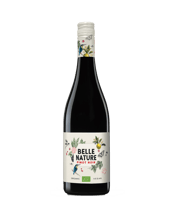
The age-old food and wine matches are classics for a reason, and many come down to pairing like with like. If you’ve ever heard people bang on about duck and pinot, this combo is a great example, with the meat’s gamey, earthy flavours enhanced by those similar much-loved traits in pinot noir. For another example, look to riesling paired with savoury dishes accented with lemon or lime – all those fresh citrus flavours shine, both in the glass and on the plate.
Try: Duck with pinot noir, and lemon-drizzled oysters with riesling.

Matching like with like can also refer to the body, or weight, of a wine. That means a heavier wine – one that feels full or weighty on the palate, such as an oaky white – is likely to steamroll a dish that’s fresh and light. That’s one reason why chardonnay is often recommended with roast chicken and creamy dishes; it’s about not letting either the wine or the food overpower the other. The same idea lies behind the best pairings for meaty ragus and rich braises as they need big red wines to stand up to the bold flavours.
Try: Pasta carbonara with Margaret River chardonnay, beef stew with Barossa shiraz.
It’s always good to consider the protein and veggies that make up a dish when choosing a wine to match, but it can often be more helpful to look at the sauce, dressing or other flavours on the plate. A rich tomato sauce over chicken, for example, can inspire plenty of great red wine matches, while a steak’s salsa verde can call for a wine to meet the herby, spiced flavours, rather than complement the beef underneath.
Try: Chicken parmigiana with Chianti, chimichurri steak with a spicy shiraz.
When it comes to fatty food, whether it’s fried, creamy or otherwise, high-acid wines will cut through the dish to refresh the palate and lift the meal. Sparkling wines are prime contenders, with the bubbles working especially well with oily food (you may never drink anything else with fish and chips again). The same goes for bright, crisp whites and fresh, crunchy reds – think pinot gris and grigio, riesling, gamay and pinot meunier.
Try: Salmon and gamay, roast pork with pinot gris.
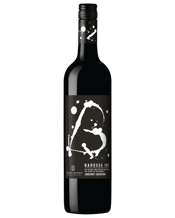
Highly tannic wines – the type that can leave a chalky or grainy feeling in your mouth after a sip – will demolish a dish’s delicate flavours; imagine cabernet with an Asian-inspired salad and you’ll get the idea. It’s a pairing as old as time, but these big reds are most at home alongside heavy proteins, such as chargrilled and roasted meats. The tannins and bold notes of these red wines will not only stand up to the rich, meaty flavours, they’ll also lighten the load of the meal at hand.
Try: Roast lamb with cabernet sauvignon, salami and cured meats with nebbiolo.

Many will argue that beer is the best bet with a spicy dinner – there’s a reason South East Asia is home to so many great brews. But if you want to serve wine at your next chilli-laden feast, look to whites with some residual sugar, which is just fancy talk for a little sweetness. This isn’t about dessert wines, but rather off-dry wines that have some fruit sweetness, yet still finish crisp and dry. The best of these wines will tame the spice, balance the flavours and contrast beautifully against the meal.
Try: Thai green curry with off-dry riesling, Indian vegetable curry with gewürztraminer.
There are some great box-ticking wines to keep on high rotation when it comes to dining, regardless of what’s on the menu. These are the types of wines that won’t get in the way of the food, and they’re often crowd-pleasers, too. Rosé is one of the best picks, especially when your table’s loaded with different dishes. Bright, dry styles won’t overpower the food, while keeping everyone’s palates refreshed. Grenache and blends are other styles to keep in mind; generally plush, fruit-forward and medium-bodied, these styles play nicely with so many dishes.
Try: Rosé, GSMs, Spanish reds and crisp Italian whites with a range of dishes.
Despite just spelling out seven rules above, if you’re not big on being told what to do, and you love your go-to wines, forget it. Ignore the advice and keep on drinking your treasured styles with whatever food comes your way. Love big reds but eat a lot of salads? You do you. Only drink whites but are mad for red meat? Go right ahead. Share the wines you love with your favourite people around the table and do things your way. Rules were made to be broken, after all.
Try: Serving the wines you love to drink, regardless of the meal.







%20(1)?$dans-daily-web-image$&hei=900)
?$dans-daily-web-image$&fmt=png-alpha&wid=800)