


There’s an easy answer to this question, but if you want to get all fancy about it, we have a few pointers.
What makes a wine good? On the one hand, you can look at wine as being totally subjective – your tastebuds are the ultimate judge. If a wine makes you want another sip, then it’s a good one. Job done. On the other hand, there are checklists of attributes that a wine needs to show for it to be deemed top quality. That’s certainly the idea behind wine awards and how the critics go about it. So, which of these approaches is right? And can we objectively determine what makes a wine ‘good’?
It’s not a perfect science. If a wine brings you joy, then it’s earned its place on your table. In many ways, that’s what makes it a good one – even if it’s your go-to $8 bottle that’s never won a trophy or been recommended by the experts. But it’s also important to recognise the huge amount of work that goes into creating a brilliant wine – by the viticulturists, cellar hands, winemakers and everyone else who plays a part in its production. So, while a binary view of ‘good’ or ‘bad’ isn’t all that useful, having a nuanced way to evaluate wine can help us to fully appreciate – and celebrate – these delicious achievements. It also helps us to understand why we like a certain type of wine (and how to find more of it!).
It can take time – and, happily, trying many styles – to understand why one wine might taste better to us than another, as well as gain the confidence to discuss it. Until then, we can steal some pointers from the people who assess wine for a living because they all look for the same sorts of things. So, if you want to pick the great wines from the good, we’ve rounded up a few key tips to help you do just that.
Just keep in mind, however, that a wine can be brilliantly made and tick all the right boxes, but you still might not actually rate it. You can also share an unremarkable bottle with good friends over an awesome catch-up, and the whole experience can make that wine seem incredible. Does that still make both these wines good? We’ll leave that up to you.
Forget about price, ratings, medals and critics for a moment. How do you determine if you think a wine is good and whether you want to drink more of it? The following ideas are far from exhaustive, but they should offer a framework to call on the next time you try a new wine.
1. Take the systematic approach
One of the best ways to make a quick initial assessment of a wine is to consider its core features. When people taste wine, one of their first considerations is its appearance, with top marks given for clarity and vibrant colour, although skin-contact wines and some other styles won’t always fit this profile. You also want to find distinct and enticing aromas when you put your nose in the glass, and the wine’s flavours should reflect those aromatics and layer together nicely on the palate. In other words, it should all make you go back for another sip.
2. Consider balance
Balance in wine is a big deal. Essentially, no one element should be more obvious than another, so when you taste it, no single flavour should be shouting over the others. You also shouldn’t be struck solely by the wine’s intensity (too punchy), acidity (too tart or, well, acidic), tannins (too puckering), alcohol (too strong or warming) or oak (too woody or vanilla-like, perhaps), to name just a few factors. Ultimately, nothing should stick out in a wine when you taste it, with all the elements coming together to create a lovely drink with a seamless structure and mouthfeel.
3. Look for length of flavour
The longer you can taste a wine after you finish your sip, the better it’s generally deemed to be – so long as those flavours are enjoyable! Length is one of the top criteria that many experts want to see in a wine. When a wine doesn’t have great length, its flavours and texture will fall away from your palate as soon as the mouthful is gone, almost as if you didn’t just take a sip at all. But when a wine has drive that delivers a delicious, lingering finish, it is almost universally considered to be great.
4. Good in other ways
There’s more to what makes a good wine than how it tastes. What’s most important in your own buying decisions? There’s a good chance you’ll find a producer with that same priority. If sustainability is top of your list, look for wines with the relevant logos on their label. That might mean a winery is organic or biodynamic, or has the Sustainable Winegrowing Australia (SWA) icon on their bottles. Maybe you want to support the women of the industry or know that proceeds from your purchase are going to a good cause – whatever the case, there’s a wine for you. Online research will reveal all, but if you prefer a chat, your favourite sommeliers and bottle shop staff will jump at the chance to point you in the right direction.
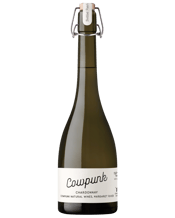
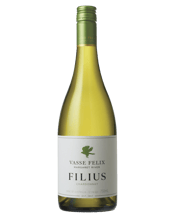

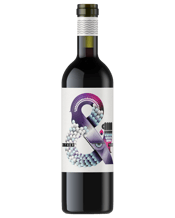


%20(1)?$dans-daily-web-image$&hei=900)
?$dans-daily-web-image$&fmt=png-alpha&wid=800)