


Our expert Wine Merchant talks us through exactly what makes Aussie wine so great.
Unlike Europe, Australia doesn't have a traditional food-based identity that goes hand-in-hand with wine. "We were a country of rum drinkers, then beer drinkers, then port drinkers," says Phil. "Then we had this influx of European immigrants after WWII and they wanted wine that was going to go with their food. That's when we saw the dimensions change, but we couldn't produce and sell the same style of wine that the Europeans were used to because nobody in Australia would drink them. As a result, we created a richer, more intense style, because that's what people were used to from fortified wines.'
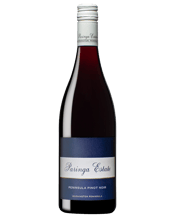
Modern Australian wines have an abundance of fruit. They're intense, generous and even cooler-climate wines, from places like the Yarra Valley and Tasmania, tend to show good amounts of fruit. Part of the reason is that Australian wines were made to be drunk, whereas European wines have jobs. "That job is to match food," says Phil. "You're not going to get a Mornington Peninsula pinot noir that tastes the same as Grand Cru Burgundy, because red Burgundy has evolved, over hundreds of years, to pair with the region's traditional cuisine. But if you want something that's really delicious, drinkable and pairs well with duck, Australian pinot is going to do an amazing job without the $900 price tag."
It's true – we don't have to follow the rules, which gives our winemakers so much more freedom and creativity. "The AOC [Appellation d'Origine Contrôlée] system in Europe was a really good idea because it established a standard that people could look for," says Phil. "When they saw Châteauneuf-du-Pape on the bottle, they knew what they were going to get, so it was an admirable classification to introduce. But it's also tied the entire culture into this locked-down mentality of only being able to do things the way their parents, or grandparents did."
Australia, on the other hand, has no regional restrictions on what a wine should be. "We can have grape varieties from different ends of Europe growing side-by-side then blend them," says Phil. "Nobody in France would have ever blended shiraz and cabernet together because it would've been offensive. But we did do that, and out of that freedom came one of the greatest wines in the world – Penfolds Grange. It also means we're better prepared for climate change and can look at new grape varieties that are going to survive in a hotter, drier climate. We can keep making wines that people love; there'll just be a different grape on the label."








%20(1)?$dans-daily-web-image$&hei=900)
?$dans-daily-web-image$&fmt=png-alpha&wid=800)