Our Wine Merchant, Ben, tells us what makes the Barossa so Barossa.

A devastating phylloxera plague wiped out a vast number of Europe’s vineyards in the mid-19th century, so though the Barossa is relatively young on the world stage, it can still lay claim to some of the oldest vines in the world. The beauty of old vines is that although they have lower yields, they tend to produce very concentrated fruit, meaning richer wines, and perform more consistently from vintage to vintage.
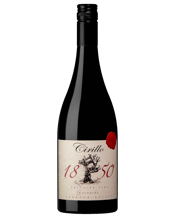
Take Cirillo, who have been growing grapes since 1850 and are still making wines. Marco Cirillo is a viticulturist first and winemaker second, tending to the vines by hand to produce incredible grenache. “They’ve got access to the oldest grenache vines in the world, which is mind-blowing,” says Ben. “He [Marco] has semillon and shiraz but grenache is at the top of what Cirillo does. It's been an important wine in the revival of grenache, because it used to be blended away, but when Cirillo released their 1850 Grenache it woke everyone up to how amazing the variety can be.”
St Hallett is another winery that was instrumental in propelling the Barossa to icon status. “They’re in this new-er generation of Barossa wineries that are still 40+ years old,” says Ben, “but they came together before the Barossa was as well known as it is now. They helped take the region to the next level with wines like their Old Block Shiraz, which made people really sit up and notice how precious these old vines are.”
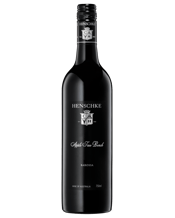
The Barossa Valley saw European settlement by Prussian migrants in the 1840s, who brought the German culture and, more importantly, European wine knowledge to South Australia. Henschke is one winery that can trace its roots back to these original settlers, meaning it has had continuous access to vines and vineyards that were planted over 150 years ago.
“There’s so much knowledge and passion locked up in these vines,”says Ben. “Other regions just can’t match the history, nor the connection. The vines are old, and that’s great, but not many places have the connection of ‘my great-great-grandfather planted these vines’. Some of these people are seventh, eighth-generation growers, which is just incredible.”
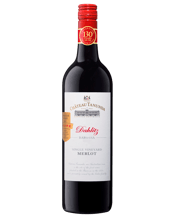
This European connection is evident in the architecture of Château Tanunda, which was the biggest winery in the southern hemisphere in its heyday. “It’s a spectacular place to visit,” says Ben. “It’s a real château, so there’s all the romance that comes with that, but when it comes to wine, they have this laser-like focus on quality and have been highlighting what the Barossa does best for 150 years now.”
The result of this long-established tradition means many Barossa producers don’t mess around. “St Hugo’s has always been the best of the best, for me anyway,” says Ben. “They said, shiraz is the best in the Barossa, so here’s a Barossa shiraz. Same for cabernet in Coonawarra. They want to make the best Australian wine possible, so whenever they add something new to their portfolio, you know it’s going to be amazing.”
Given Barossa’s reputation, it would be easy for wineries to stick with what they know and put their feet up. “Take someone like Grant Burge,” says Ben. “They could’ve sat back and coasted, but they’re never resting on their laurels, always innovating, and being quite progressive for what most people might consider a pretty conservative winery. They’re going through more of a modern phase right now and Craig Stansborough (the winemaker) has taken this incredible Grant Burge platform and really focused on how they grow grapes and make their wine.”
The same can be said of Henschke, whose Hill of Grace is one of Australia’s best wines. “You can’t argue with Hill of Grace,” says Ben, “and Prue, the viticulturist, is one of the most influential grape growers in the country. She’s really pushing towards more organic practices and nurturing the vineyards, helping push the industry back to the traditional farming her relatives were doing when the Barossa started. Even after the last 150 years, Henschke is making the best wines they ever have, because they're growing the best grapes they’ve ever had.”
The more modern Barossa winemakers, like Kaesler, are helping shape the region’s future too. They’ve really made a name for themselves in recent years and are having a lot of fun with some of the names, like the Bogan Shiraz,” says Ben. “There’s a lovely irreverence to them – it’s a serious, $50 shiraz that’ll knock your socks off, but they still want to make you laugh. People from the Barossa don’t take themselves too seriously and I think that comes across in these wines. They’re sharing their amazing resources in a really fun, exciting way, bringing people into the fold who wouldn’t normally be attracted to that geeky wine world.”
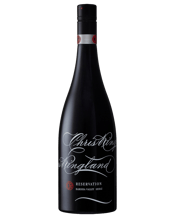
The Barossa Valley has been known for its bold, rich wines forever, particularly shiraz. The region has pushed back against the pigeon-holding in recent years, but there’s no arguing that if you like big, powerful wines, you’ll love the Barossa, and nobody in the Barossa exemplifies this more than Chris Ringland.
“He’s a guy that loves big, rich styles of wine,” says Ben. “That’s what he loves and he doesn’t shirk that, so he seeks out grape growers and vineyards that share that philosophy. He says we can have these rich styles and we don’t have to pretend to be anything else, because a lot of people still love them. It’s kind of cool, because if you buy a Chris Ringland wine, you know exactly what you’re going to get.”
St Hallett shares a similar philosophy to Chris, but they’ve taken things even further by concentrating purely on shiraz. “They’re now a shiraz winery,” says Ben. “They think the Barossa is the home of shiraz, so they said let’s focus on making amazing shiraz and using it to explore the diversity of the Barossa. It’s really exciting seeing them doing this after already building up the Barossa’s reputation over the past 80 years.”


It’s easy to think of the Barossa as producing big, rich reds, but there’s more to the region than most people expect. As Ben says, “You’ve got so much diversity within the Barossa Valley. Head south and it’s cooler and ripening earlier, but go north and it’s warmer patches with sandy soils and deeper clays. It’s incredible that winemakers can have all this without leaving the region, which is why there are so many people making cool natural wines.”
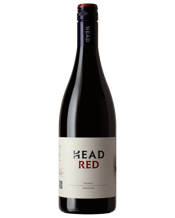
It’s not just natural wines that are shaking things up in the Barossa. Alex Head, a former wine auctioneer, came to the region with a background in European wines and his wines are very much influenced by France's Rhône region. “It’s almost like the Barossa seen through a European lens, even though Alex isn’t European himself,” says Ben. “He takes inspiration from the winemaking viticulture and seeing if those techniques can be applied to the Barossa, which has been really inspirational to the younger winemakers in the region. He came in as an outsider with a newer vision of the Barossa and it’s been a resounding success, proving how much more the region is capable of.”