


Stop – put down the shiraz. Here are five other top red grapes to try instead.
For many, the ‘Red Wine Journey’ starts and ends at shiraz. And we get it. After all, this much-loved red is versatile, loaded with fruit and peppery spice, great with food, and approachable, too. And while it can reach sky-high prices (Penfolds Grange almost cracks the $1,000 mark), you’ll also find solid shiraz at the other end of the scale, including countless juicy styles for under $20. It might just be the MVP of red wine.
So, it’s clear that shiraz meets the red-wine brief. But if you’re keen to experiment with slightly-similar-slightly-different reds, or if it’s time to nudge a stubborn shiraz fan in a new direction, check out the ideas below.

Click image to shop
1. Grenache (and blends)
It’s also often blended for added complexity. Producers in France’s Rhône have been doing it forever, mainly with shiraz and mourvèdre – if you’ve ever seen ‘GSM’ on a wine label, that’s what those three letters stand for here. Among the best-known of these blends are from Châteauneuf-du-Pape (sha-toe-nerf-doo-pap), which are as barbecue-friendly as they are fun to say. There’s also a raft of exciting homemade blends, so the styles are endless.
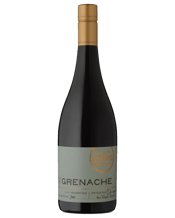
McLaren Vale is a benchmark region for Australian grenache. Try the Yangarra McLaren Vale GSM for a blend, and Oliver’s Taranga Vineyards Grenache for a straight expression.
2. Cabernet franc
In contrast to its prodigal child, cabernet sauvignon, parent grape cabernet franc makes a much brighter, more aromatic wine. It’s lighter in body, has more subtle tannins and higher acidity, and it’s full of red fruit flavours – expect strawberry, cranberry and raspberry. There’s a lot of vibrant shiraz vibes going on here.
In France, cabernet franc is traditionally used in Bordeaux’s blends (it’s in many coveted wines from Saint-Émilion and Pomerol), while in the Loire Valley, it’s often a straight-varietal wine – Chinon is a great example.
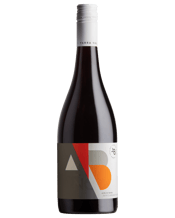
Here at home, cab franc has long played a supporting role in blends with the likes of cabernet sauvignon and merlot, but it’s now shining in many single-varietal expressions. Get to know it with the Airlie Bank Cabernet Franc.

Click image to shop

Click image to shop
3. Tempranillo
Spain’s most famous red wine makes an excellent shiraz swap as it shares much of its approachability and food-friendliness. Wine on the table is a big part of Spain’s food culture, and with so many bold flavours central to its cuisine, tempranillo – or Rioja (ri-yo-ha), as it’s known in Spain after where it’s grown – suits so many dining occasions.
Often blended with other varieties, tempranillo is full of red fruits, such as cherry, and subtle savoury notes, like tomato and tobacco. There’s a balance and complexity to tempranillo’s charm, particularly in aged examples, while joven (pronounced “ho-ven”) styles – meaning young – are loaded with easy-drinking fruit-forward appeal.
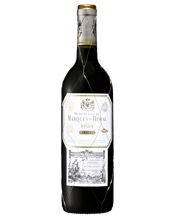
McLaren Vale’s S.C. Pannell Dead End Tempranillo is a must-try. And for a quality Spanish blend, look out for the Marqués de Riscal Reserva Rioja.
4. Sangiovese
This Italian variety is another one right at home on the dinner table – no surprise when you consider where it comes from. Packed with red and black fruit flavours that mingle with herbal, earthy and game notes, sangiovese (san-joe-vay-zee) is a solid option for die-hard shiraz fans.
Hailing from Tuscany, Italian sangiovese – commonly known as Chianti (kee-ahn-tee) – is brilliant with many beloved Italian dishes, such as cured meats, risotto and braises. It’s also tomato’s best mate, so serve it with pizza, lasagne and pastas with tomato-based sauces for the ultimate match.
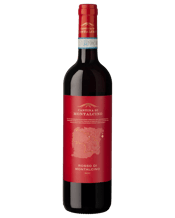
For Italian examples, family winery Frescobaldi has more than 700 years of winemaking experience – we’re fans of the Rosso di Montepulciano. And if you’re after an Aussie take (with proud Italian family heritage), try North East Victoria’s Pizzini Nonna Gisella Sangiovese.

Click image to shop

Click image to shop
5. Primitivo / zinfandel
The two names for this grape reflect its prevalence in Italy, where it’s known as primitivo, and in the US, where zinfandel is well established across California. Known for its boldness, rich dark fruit flavours and cinnamon-skewed spice, it’s great for people who like shiraz that packs a punch.
While it’s not so common here, a handful of Aussie producers have led the charge with this grape – often known here as primitivo, but you’ll still find some labelled zinfandel. With the rise of newer Mediterranean varieties being planted here to suit our climate, local examples are increasing – and only getting better as producers spend more time with it.
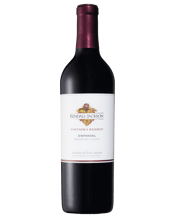
For an Italian example, you might like to try the Notte Rossa Primtiva Salento and perhaps compare it to California’s Kendall-Jackson Vintner’s Reserve Zinfandel.







%20(1)?$dans-daily-web-image$&hei=900)
?$dans-daily-web-image$&fmt=png-alpha&wid=800)