


Albariño, chenin blanc, viognier – if chardy is your go-to, we’re here to expand your horizons.
Yes, we know chardonnay’s an overachiever. It’s one of the most versatile varieties of the lot. If you love crisp, bright and fruit-driven white wines, there’s a style for you. If you’re into richer, bigger sips, chardy can do all that, too. So, we’ll forgive you for never straying beyond this great white – until now.
There’s a whole world of white wine to explore. Literally. But with so many Aussie producers now working with varieties newer to our shores, there are some seriously exciting homegrown takes on lesser-known grapes, too.
No shade on chardy, but we’re here to break you out of your monogamous wine relationship. If you’re looking for something that’ll tick similar boxes, and some encouragement to order from the fun part of the wine list, get to know the five varietals below.

Click image to shop
1. Albariño
Love fresh aromas and a little texture in your chardonnay? Albariño is a no-brainer. Some styles have a little more richness to them, much like a chardonnay, but they’re also often vibrant, too, thanks to high levels of acidity helping to brighten things up.
This Spanish native is right at home on the dining table. With its fresh citrus and stone fruit flavours, and deliciously dry finish, this wine works a treat with so many dishes. For albariño’s best food pairings, take inspiration from its Mediterranean origins and go for seafood, tapas, lighter meats and cheeses – it can handle more than most.
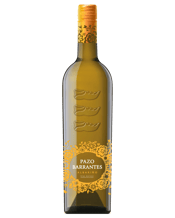
For OG albariño expressions, look to Spain – the beautifully balanced Pazo Barrontes is a great place to start. Then perhaps move on to Portuguese and Australian styles to spot the difference. Here at home, a growing number of producers are putting their stamp on this variety, including those in South Australia’s Adelaide Hills and McLaren Vale, as well as the NSW Hunter Valley, Victoria’s King Valley and more.
2. Chenin blanc
If you have a soft spot for richer styles of chardonnay, there’s a good chance chenin blanc is right up your alley. This French grape has found a natural home in Western Australia, particularly Swan Valley – its chenins are true benchmarks – as well as Geographe and Margaret River, among others.
Chenin can be made in a swag of styles – with or without oak, sweet and even sparkling – but its texture always shines through. White wines aren’t often associated with tannins, but here, they tend to provide shape, structure and an enticingly complex mouthfeel. Add to that its apple, citrus and melon notes, plus a brightness and lingering finish, and chenin is a serious contender for knocking chardonnay off its perch.
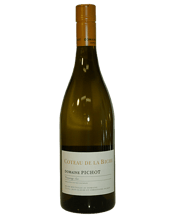
For styles from where it all began, try chenin blanc from Vouvray in France’s Loire Valley; Domaine Pichot is a standout. South Africa has also made this grape its own, and while chenin blanc is made around Australia, WA’s Swan Valley is an excellent introduction to homemade styles.

Click image to shop

Click image to shop
3. Viognier
A true food wine, viognier (vee-on-yay) is heaven with the likes of roast chicken, curries, rich seafood and cheese. It all comes down to what wine people might call ‘palate weight’, which simply means it can feel heavier and fuller in the mouth. What’s important here, though, is that viognier has a mid-palate richness that chardonnay fans tend to love. Viognier is also known for its almost oily, mouth-coating texture, which is way more appealing than it sounds. In short, if you love rich, well-oaked chardonnay styles, viognier could be your friend.
But there’s also much more to viognier, with its distinctive floral aromatics bringing it to life. It’s no surprise that shiraz-viognier blends had a real moment for a while, with winemakers adding a dash of this white grape to the iconic red to punch up the aroma and texture.
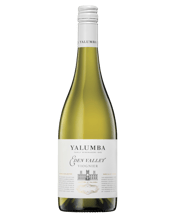
But for this exercise, start with 100% viognier. This Rhône Valley star thrives in South Australia, with historic Barossa winery Yalumba long championing its cause – the Eden Valley Viognier is a great entry point. Expect stone fruit and honeysuckle notes, and that trademark richness that demands a great dish to go with it.
4. Soave / garganega
Ever spotted Soave (swar-vay) on a wine list? With arguably the coolest name in wine, it’s where melon, peach and citrus flavours meet herbal, slightly salty notes to create a zesty and moreish white.
Made from the Italian garganega grape, Soave is a top pick for anyone into aromatic whites with bright acidity. And despite traditionally being made in stainless steel tanks, as opposed to oak, Soave still tends to show a little more body and mouthfeel than you might expect. This all means it’s another winning bottle to grab on your way to dinner, even if you don’t know what’s on the menu. It’s made for pasta, white meats, rich seafood dishes, antipasto and so much more.
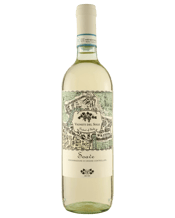
When it comes to this variety, Italy’s Veneto region reigns supreme, and many great examples won’t break the bank either, such as the Vigneti del Sole. Closer to home, garganega is made by just a handful of wineries here, with Victoria’s North East and South Australia’s Barossa Valley key regions for this grape.

Click image to shop

Click image to shop
5. Marsanne (and marsanne-roussanne blends)
Grenache and shiraz tend to steal the show in France’s Rhône Valley. Even viognier (see #3) doesn’t get much star billing. So, marsanne – and another of its white regional counterparts, roussanne – is perhaps lesser known, but deserves a closer look.
This compelling white variety is light in body with fresh acidity, and it’s full of citrus, stone fruits and honeysuckle characters as a young wine. This is also a genuine cellar contender, with bottle age bringing developed honeyed notes and an extra lovely layer of richness, which should appeal to anyone who is drawn to more complex chardonnay styles.
Marsanne is also often blended with roussanne, if not viognier as well, with the combo creating even more perfume and fullness of flavour in the final wine.
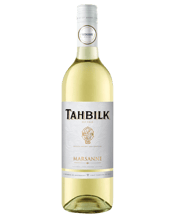
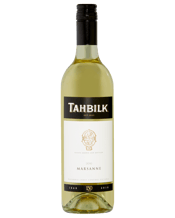
For benchmark single-varietal marsanne styles, you can’t go past Victoria’s Tahbilk – this Victorian family winery has long specialised in this unique variety. You could even be fancy and hold a tasting with friends, comparing a new-vintage Tahbilk Marsanne against an aged style, which is released when ready to drink.





%20(1)?$dans-daily-web-image$&hei=900)
?$dans-daily-web-image$&fmt=png-alpha&wid=800)