Move over Taylor Swift, we’re all about the pinot world tour.
Pinot noir is everywhere. This little wine grape would have enough Qantas points by now to keep the rest of us in free airport G&Ts for life, travelling from its ancestral French home to every corner of the globe. You’ll find pinot in Argentina and Chile at the pointy end of South America, Canada’s chilly northern climates, New Zealand way out in the South Pacific and even Japan up top – plus all points in between.
The thing is, though, while pinot noir is a worldly wine, it’s always subtly different wherever it pops up. You might have heard of terroir (pronounced ter-wahr), the idea that wine takes on certain flavours and aromas from soil types, climate, altitude and other growing conditions. That means that pinot from, say, Gippsland, could be quite different compared to pinot from Tasmania.
At Dan’s Daily, we love a bit of jet-setting in real life (maybe a little extra legroom in economy would be nice), but we’re equally up for exploring the world from our lounge room through our favourite wines. With that in mind, we’re popping off to five of the world’s pinot noir hotspots to explore the differences via some fabulous new drops you’ll find on Dan Murphy’s shelves.

Click image to shop
1. California, USA
California is bloody huge (if it was its own country, it’d be the 59th largest by area), which means there are plenty of different pinot noir styles to choose from. The best pinot from the US state tends to come from areas like Mendocino County, Santa Cruz and Sonoma up north, and central (but especially chilly) regions like Santa Barbara. Between them, you’ll find everything from light, bright and savoury pinot noir to big and juicy styles that dial up the fruit and body. Southern California does some wine, too, but it’s generally a little warm for our friend PN.
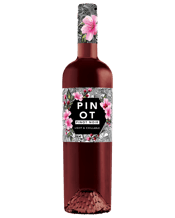
One of our favourite newbies – and a great example of everything Californian pinot has to offer – is the Bread & Butter Pinot Noir, which avoids the politeness of subtlety and goes straight for the tastebuds. You’ll get big cherry and raspberry flavours rounded out with a little vanilla from the oak the winemakers use, making it a perfect pairing with bold winter pastas like duck ragu or a garlicky mushroom spaghetti.
2. South Australia
While our big golden child SA produces some of Australia’s best-known red wine, much of it is made from bolder varieties such as shiraz, cabernet sauvignon and merlot. Pinot noir is only a small slice of the pie, but that’s not because our croweater mates aren’t fans – basically, most of the state’s wine regions are just too warm for delicate pinot. The Adelaide Hills is the exception here, with its altitude making it a comfy home for cherry and strawberry-scented pinot noir. Plus, it’s only a half hour from Adelaide, so it’s a winner no matter which way you slice it.
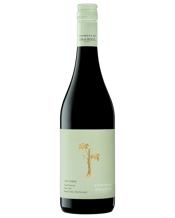
South Australian pinot noir, despite its traditional underdog status, is really starting to break through, and we’re all for it. While there’s no shortage of great pinot producers in the state, you’re every chance to find us with a glass of In The Middle’s expression. At just 6.5%, this guy is a light and breezy option that’s still juiced up with red berry and spice flavours, plus a little crisp acidity to round it out. It’s also a winner with salty snacks on the back porch, if you’re asking.

Click image to shop
Click image to shop
3. Victoria, Australia
Aussie pinot noir is not just restricted to South Australia – you’ll find it all over the place, from Tasmania to Western Australia. But it’s Victoria that brings us some of the finest examples, thanks to wineries in the Mornington Peninsula, Gippsland and, of course, the Yarra Valley, where endless vineyards taking advantage of the region’s cool climate and range of wine-friendly soil types to grow world-class pinot. Across this Victorian region you’ll find everything from intense, fruit-forward styles to savoury and earthy versions that might do just as well in your cellar as in your glass right now.
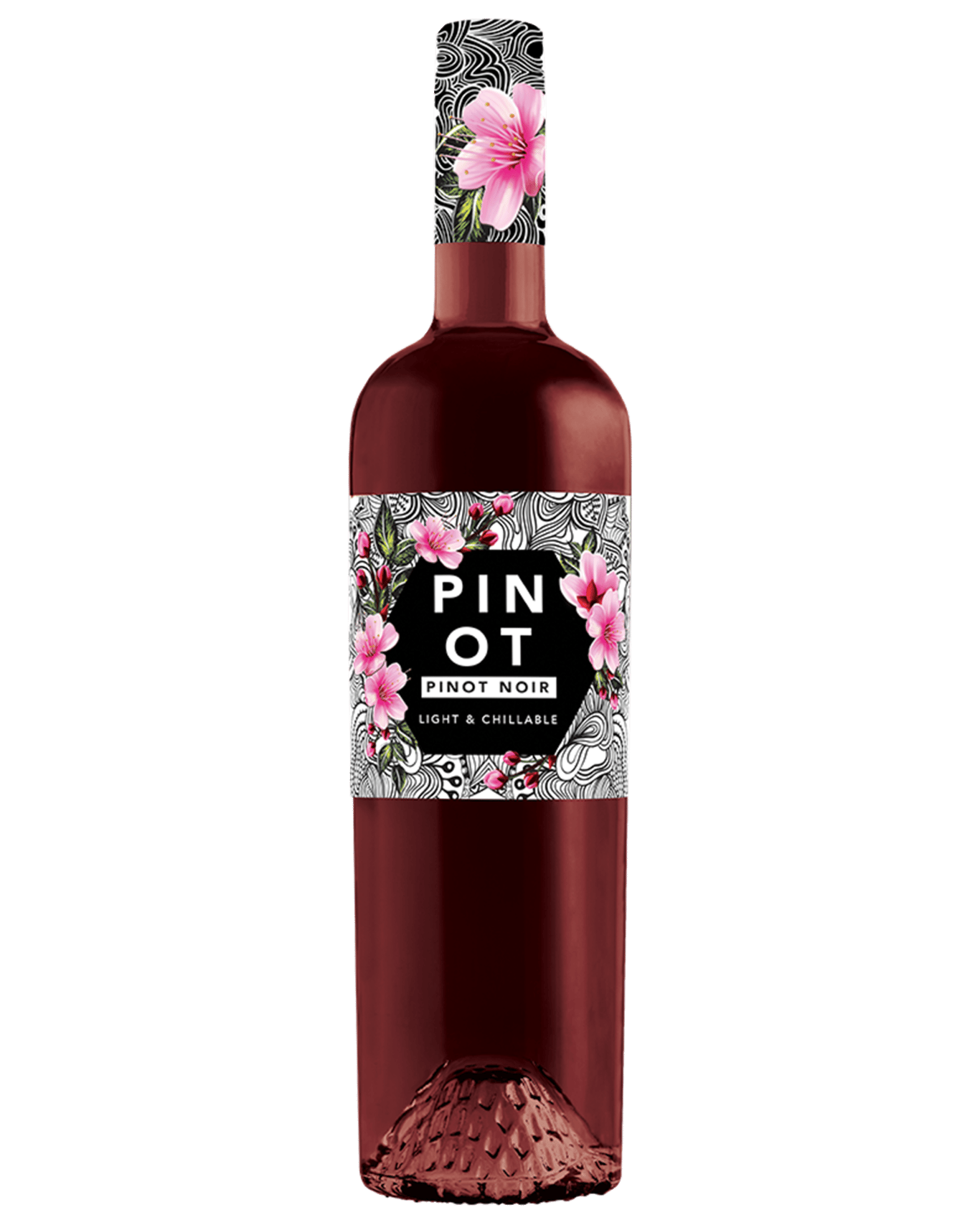
In the Valley, among the rolling green hills and bubbling streams, you’ll find iconic producer De Bortoli – and we’re big fans of their latest, Pinot Pinot. With grapes sourced from various regions across Victoria, this little pinot skews to the lighter side. Think crisp red fruit and pomegranate flavours, and a crunchy acidity to finish. Light and bright reds like this one are great candidates for chilling when the weather is warm, too, ideally alongside some herby barbecued lamb.
4. Marlborough, New Zealand
Marlborough is a bit like Gotye – a victim of success overshadowed by one massive hit. In Gotye’s case, it’s ‘Somebody That I Used To Know’ (believe us when we say the guy’s back catalogue is worth exploring beyond the hit), and in Marlborough’s case, it’s sauvignon blanc. Yes, Marlbs has a singularly exceptional savvy style, but the region’s pinot noir is where our heart lies, and it’s about time it got its due.
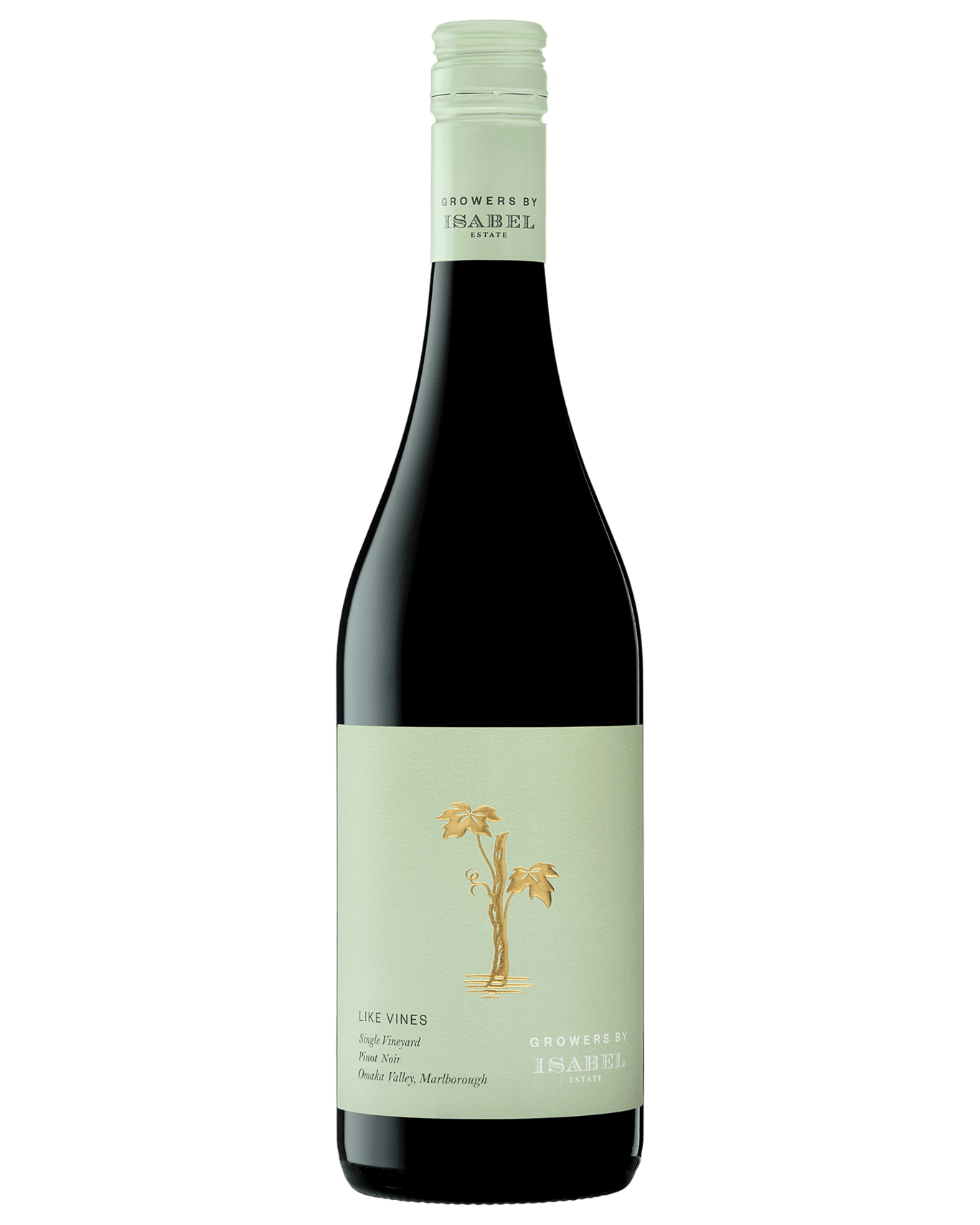
With sunny days, very cool nights and a long growing season, Marlborough is magical when it comes to producing racy pinot noir with a pile of herb and bright cherry flavours. For us, Isabel Estate’s new Like Vines Pinot Noir does everything we want in a Marlborough pinot, with intense blue fruit aromas and savoury flavours all backed by just enough tannin and acid. It’s a classy glass, if ever there was one.
Click image to shop
Click image to shop
5. Argentina, South America
For most of us, Argentinian wine starts and ends with malbec, and there’s a good reason for that – the typical Argentine malbec is a dense, full-bodied wine that seems like it exists just to complement barbecued meats. Don’t shy away, though, pinot lovers – we’re here to tell you that Argentina is worth your time, too.
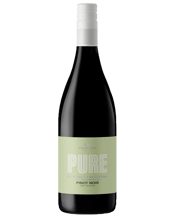
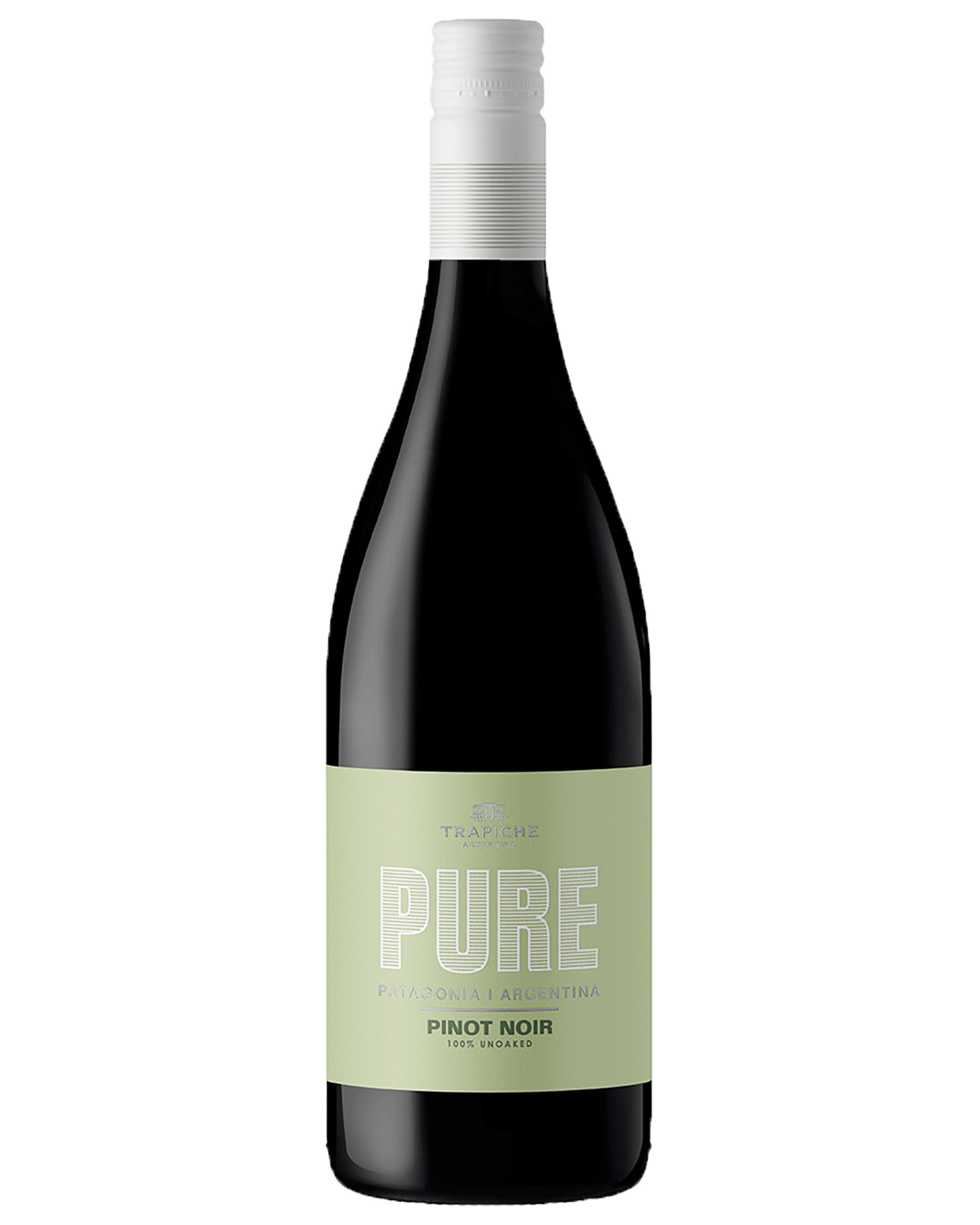
These days, pinot noir is flourishing all across this massive South American country, from the rugged, glacial region of Patagonia in the south to the thin-aired altitudes of Mendoza up north. Though the huge regional variation means you can’t really pin down Argentina’s pinot, it’s known for some of the more concentrated and flavour-packed expressions you’ll find anywhere. For our part, the country’s Trapiche Pure Pinot Noir is everything an Argentinian pinot should be – bright, dense, textural and backed with punchy cranberry fruit flavours. Give it a go with freshly fried (or baked) empanadas for the full experience.