NOW EXPERIENCING:Everything you need to know about ageing wine
Learn|DIY How to|Wine|Wine 101

Everything you need to know about ageing wine


Read time 4 Mins

Posted 11 Jul 2022

By
Mitch Parker


Even a beginner can start cellaring wine, all it takes is a little TLC.

Of all the things that get better with age (cheese, whiskey, the perfect pair of jeans), wine has to be one of the most rewarding. There’s something special about tucking away a bottle of wine and patiently waiting for the perfect occasion to bust it open. It’s a process that takes years, so imagine the disappointment of opening a long stashed bottle only to find out it’s a dud. It happens more than it should — but it doesn't have to.

One of the most common questions we get asked is about how to age wine. And with that in mind we’ve compiled this guide covering all the basics. All it takes is a little tender loving care... and a lot of patience.

Not all wines should be agedFirst things first, which wine should you invest your time in cellaring? It’s important to note that not all wines should be aged. While all red wines benefit from some time in the bottle, only a few white varietals should be aged. If you’re looking to put away a white wine then it’s best to stick to chardonnay, riesling, or semillon. Another factor to keep in mind is that over 90% of wine is drunk within 24 hours of purchase. Wine companies know this and make the bulk of wine to suit that quick turnaround, so choose carefully. Next time you’re in store, have a chat with one of our Wine Merchants and they’ll be able to steer you in the right direction.
Location, location, locationWhen ageing wine you need to think of it as a living creature (and a sensitive one at that). Even the slightest disruptions can dramatically change the outcome. Choosing the right location to store your wine is crucial. Wine really dislikes heat, dampness, and light so you’re looking for a spot that’s cool, dry, and dark. An underground cellar is the dream, but a dark cupboard is more realistic for most people. Rooms like the laundry, bathroom, and kitchen are a definite no as they tend to have fluctuations of both heat and humidity. You also want to avoid spots near external walls of the house, as they tend to be more affected by the weather outside. The goal is to keep the wine temperature between 12 to 16 degrees all year-round for the best results.
Beware bad vibesAs we mentioned, wine is fussy. Really fussy. Another element it really dislikes is movement, so it needs to be protected from vibrations. Storing your wine in the cupboard under the stairs might seem like a good idea at first, until you remember that everybody stomps up and down the stairs all day. Bottles should be stored horizontally, especially for corked wine. This helps to keep the liquid touching the cork and stops it from drying out.
Make an investmentIf you’re looking to age wine regularly then it’s worth investing in a wine cabinet. These thermo-controlled specialty wine fridges will always keep your wine at a constant temperature. It’s the easiest way to guarantee the correct conditions for your wine collection. Wine cabinets come in a range of sizes and at various price points, meaning you can always start small and work your way up as your collection grows.
When can I drink it?

OK, you’ve done all the hard work and you’ve been patiently waiting for years. How do you know if your wine is ready to drink? You don’t want to risk all of your hard work by opening it too early or too late. The short answer is that every wine is different and we can’t tell you exactly. But there are some rough guidelines that will help guide you. It all comes down to the complexity of the wine and how much structure it has to hold up over the years:

  • Very light varietals: 1–3 years

  • Light varietals: 3–5 years

  • Medium varietals: 5–10 years

  • Heavy varietals: 10–20 years


One way to learn about how wine ages is to put away a few of the same bottles and open them at different time intervals. That way you can see how much the wine changes year by year.


It’s time for paperworkWe know it doesn't sound sexy, but you really should do some paperwork. Having a good system will help you keep track of exactly what’s in your wine cellar. There are some beautifully designed wine journals and logbooks out there (they make great gifts for wine lovers, by the way). Or you can set up a simple spreadsheet to keep track of your delicious inventory.
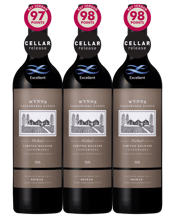
Consider skipping all the hard workIf you don't have the space (or the patience) to cellar your own wine then consider leaving it to the experts. Dan Murphy’s Cellar Release program is all of the hard work done for you. Our expert wine panel selects the best bottles for the long haul, ages them perfectly in our temperature and light controlled specialty cellar, and then releases them when they’re at their prime. It means you can enjoy all of the perks of cellaring with none of the work.