Vine Guide: Gippsland edition

It’s large, lush and home to exceptional wines, yet it still has almost untapped potential. Welcome to Gippsland.
Victoria’s Gippsland takes diversity to the next level. This vast region – which is, in fact, officially a “zone” – stretches across mountains, snowfields and rolling hills as well as rainforests, lakes and beaches that line some of Australia’s most pristine coastline. Today, more than 50 wineries call this incredible landscape home – on Gunaikurnai and Bunurong Country – and they all reap the rewards of their distinct settings and microclimates.
Stretching from the edge of alpine country in the north to the New South Wales border in the east, down to Wilsons Promontory in the south, up the coast taking in Phillip Island, and rubbing shoulders with the Mornington Peninsula, Gippsland can be a tricky place to sum up. Easier to explain, however, is that it has fast become one of the nation’s most exciting places to grow and make wine. This burgeoning region is turning out some cracking wines, from new-wave styles and traditional classics to emerging varieties and more.
Just a handful of producers have flown the Gippsland flag over the past few decades, with celebrated winery Bass Phillip the best-known pioneer (its coveted pinots have been turning heads since the 1990s). But over the past 10 years or so, an influx of new producers have set up camp here, lured by the untapped potential of this cool climate and lush landscape. Pinot noir and chardonnay remain two of Gippsland’s flagship wines, but they now sit happily alongside the region’s quality pèt nats, skin-contact styles and everything in between.
If you’re not sure where to start on a tour of Gippsland, take your pick from our suggestions below, including the must-see cellar doors and restaurants, the best towns to explore and top natural attractions.

1. Cannibal Creek, Tynong North, West Gippsland
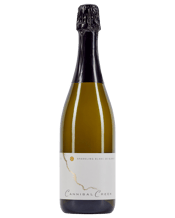
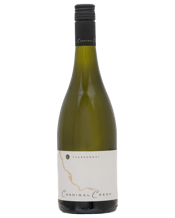
Just over an hour’s drive from Melbourne, Cannibal Creek has a relatively new cellar door, built by the winemaker Patrick Hardiker (conveniently, he was a builder in a former life). Together with wife Kirsten, this duo runs the show here, and their wines are made in the original iron shed on the property, including sparkling, sauvignon blanc, chardonnay, pinot, merlot and cabernet. Cannibal Creek’s vines were planted in 1997, and they have focused on sustainable practices ever since. Stop by for a tasting before taking a table in their restaurant perhaps for a quick snack of croquettes or a lingering meal of pasta or pork belly.
2. Fleet Wines, Leongatha, South Gippsland
Confession: this cellar door isn’t open until October 2023, but these wines are so good, we’ve snuck it in so you mark it in your diary. Lisa and Justin Jenkins are behind Fleet Wines, a couple with extensive hospitality experience before turning to winemaking. Based in South Gippsland, they source fruit from all over – both within and beyond Gippsland – but they planted their first pinot and chardonnay vines here in 2021. Expect big things to come, with Fleet already on many top wine lists. Two Gippsland pinots – the straight Nostalgia and the Chorus blend – are worth tracking down. Better still, plan a visit post-October to taste them in situ.


3. Lightfoot Wines, Bairnsdale, East Gippsland
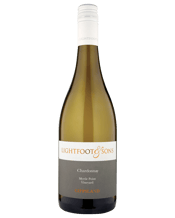
Over in the Gippsland Lakes district, a two-and-a-half-hour drive north-east of Fleet, Lightfoot Wines is run by brothers Rob and Tom Lightfoot, who took over from their parents in 2007. A cool coastal climate helps to produce a range of quality fruit, which goes into their collection of wines – think chardonnay, pinot grigio and rosé, shiraz, pinot noir and even a sparkling shiraz. With sweeping valley views, the cellar door is in a special spot – nab a table on the deck on a sunny day. Throw in a platter of produce and a glass of your new favourite wine, and consider your afternoon sorted.
4. Nicholson River Winery, Nicholson, East Gippsland
Less than a 30-minute drive from Lightfoot Wines is Nicholson River Winery, where Ken and Juliet Eckersley have produced wine for more than 40 years. The pair was inspired by the similarities between their Gippsland Lakes site and the south-west of France, and they planted the related varieties in 1978. These days, their range includes pinot, chardonnay, semillon and shiraz, plus others such as a shiraz sangiovese blend and botrytis semillon. Their cellar door offers tastings and platters while you soak up river views. And if you really fall in love with this special spot, it's listed for sale.


1. Sardine Dining, Paynesville, East Gippsland
People may flock to East Gippsland’s Paynesville for its fishing and other water sports, but those in the know head to Sardine Dining (pictured). This Chef’s-Hatted hotspot has its Cantina next door – a wine bar offering cheeses and charcuterie – but the main attraction is the local seafood and other Gippsland produce plated up at the restaurant.
2. The Long Paddock, Lindenow, East Gippsland
The couple behind this cafe are both chefs with experience at some of Melbourne’s top venues (Vue de Monde, Cumulus Inc. and The Botanical, to name a few), so you can expect seriously good food. The menu changes regularly, but you’re likely to find dishes showcasing local venison and beef, fruits and veg, and some pretty delicious sweet treats, too.
3. Hogget Kitchen, Warragul, West Gippsland
What happens when two of wine’s most exciting producers collaborate with a top chef? Step into Hogget Kitchen (pictured) and find out. This West Gippsland Chef’s-Hatted restaurant is from Bill Downie (William Downie), Pat Sullivan (Patrick Sullivan Wines) and chef Trevor Perkins. Enjoy vineyard views while tucking into thoughtful dishes celebrating the produce from their kitchen garden and surrounds.
4. Trulli, Meeniyan, South Gippsland
Meeniyan may be the gateway to Wilsons Promontory, but there are now plenty of attractions making this town a destination all of its own. Swing by Trulli Pantry to load up on its incredible baked goods and local produce, and you might have a hard time resisting a table at Trulli Outdoors, where you can tuck into their pizzas and other southern Italian deliciousness.


5. Dirty Three Wines, Inverloch, South Gippsland
This is a popular hub in the beachside town of Inverloch, where winemaker Marcus Satchell and wife Lisa Sartori put a thoughtful focus on pinot noir and their wider wine collection (piquette included). Seated tastings are a must here, but also stick around for their Italian meatballs, mushroom bruschetta, or cheese and salumi – the team can pair it all with their wines.
1. Explore Gippsland’s small towns
When a region is as diverse as Gippsland, its towns all offer their own individual thing. Whether you’re craving a hike, dose of history or taste of the local culture and community, nothing beats a wander through a region’s main hubs. If you’re short on time, we reckon Gippsland’s top three must-see towns are Walhalla, Loch and Yarram.
Sitting in East Gippsland, Walhalla may be tiny (there are just 20 official residents here) but this was once one of Australia’s richest towns, thanks to its place in gold-rush history. Heritage buildings have been lovingly restored here, and you can take a ride on the Walhalla Goldfields Railway or even try your hand panning for gold.
Over in South Gippsland, Loch is especially charming. With its antique stores, boutique shops, galleries and providore, there’s plenty to steal your attention here – in addition to the surrounding rolling hills.
Stay a while, and then pop on over to Yarram. Heritage buildings and unique gift and clothing stores are a treat, but it’s the street art that’s particularly worth the detour here. Artist Heesco Khosnaran has transformed Yarram, painting around 20 striking murals on the once-blank walls around town, and it’s now recognised as one of the best street-art trails in Australia.
2. Peruse top farmers’ markets in Gippsland
If you still haven’t had your fill of fresh Gippsland produce, you can load up at the various farmers’ markets held around the region. Always a great opportunity to discover what each area does best, these markets also give you direct contact with Gippsland’s best farmers, producers, winemakers and more.
Our picks? On the first Saturday of the month, take your pick between the Koonwarra Farmers Markets and the Farmers’ Market Bairnsdale in East Gippsland, which offer the likes of free-range eggs, organic fruit and veg, gourmet cheeses and specialty meats – think venison, sausages and smoked goodies. And on the third Saturday of the month, head to the Warragul Farmers’ Market to enjoy the live music, coffee and snacks, as well as browse the stalls selling everything from baked goods to wine.

3. Discover Gippsland’s nature
This spectacular region is full of natural attractions that deserve your attention, and not all of them involve a workout, either – unless that’s what you’re after. If you’re struggling to choose from the stunning spots that make up this region, allow us to offer three suggestions.
The Garden at Broughton Hall (West Gippsland), a passion project of David Musker and Philip Hunter, is a magical private garden covering 1.5 hectares. There are 14 distinct areas incorporating mazes, terraced displays, colourful pockets of flowers, winding paths and more. The couple lives in the equally impressive house on the property, and they open their garden to the public for seven months of the year ($20 entry).
If complete wilderness is more your style, at the southernmost tip of Australia you’ll find Wilsons Promontory, which is as jaw-droppingly beautiful as it is remote. There are bushland trails, pristine beaches, campgrounds, snorkelling spots and granite peaks to climb, if that’s your jam. Campsites and cabins here are hot property (there’s often a ballot system for peak times), so be sure to book well ahead if you’re planning on staying overnight.
Then head on over to East Gippsland to explore Metung. Right on Gippsland Lakes, Metung has a relaxed village feel and it’s especially popular with avid anglers. Even if you’re not keen on catching fish, it’s still possible to explore the calm waters here – hire a boat or hop on a scenic tour. Waterfront restaurants serve up fresh seafood and other local produce, or perhaps pick up your own and enjoy a picnic feast as you watch the boats sail by.