


Where to go and what to drink while visiting the Loire wine region.
You could spend years exploring the Loire Valley and still not tick everything off. This is a place of fairytale castles, French grandeur and vineyard upon vineyard, a wonderful destination that shines a light on some of the most important aspects of France's history and future. There are around 100 castles open to the public, several of which are said to have inspired Disney classics like Beauty and the Beast, and Cinderella, while towns like Orléans and Tours are dripping in history and legends.
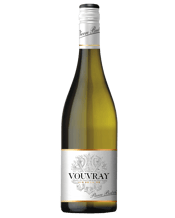
The Loire is a beautiful region and there's no doubt as to why many of the Parisian elite moved from the city to the banks of the Loire River. And the wine? The Loire is responsible for some of France's best. Pouilly-Fumé, Vouvray, Sancerre – these have all earned their place on any self-respecting wine list, but if we've learnt anything from the Loire, it's that there's always more to learn, see and taste.
The Loire Valley can be split into three unofficial sections: the Upper, Middle and Lower Loire. Each section is known for producing certain wines, many of which are considered to be world-class examples.
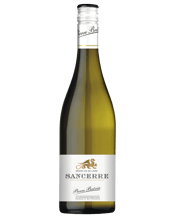
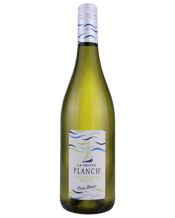
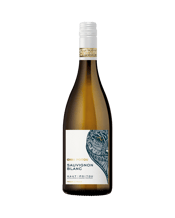
Drive 200km east of Tours and you'll reach the Upper Loire. The river runs through picture-perfect towns while castles and vineyards dot the lush, green landscape. Two of France's most famous wine-making areas can be found here, sitting on either sides of the Loire River. Sancerre, on the southern bank, and Pouilly-Fumé, on the northern bank, are known for producing sauvignon blanc of exceptional quality, with both wines typically showing grass and citrus flavours.
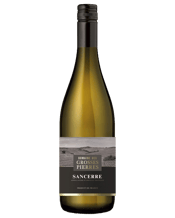
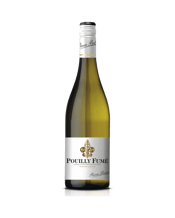
The differences between the two are subtle, with Pouilly-Fumé being a little softer and showing more of a smoky character at times, but the easiest way to appreciate the nuances is of course by tasting the two. Domaine Des Grosses Pierres makes a nicely balanced Sancerre with floral notes, minerality and ripe citrus fruits, while the Pouilly-Fumé from Pierre Brévin takes a more gentle approach to citrus, letting it mingle with tropical fruits as well as that minerality typical of the area
The Middle Loire, which includes the city of Tours, is a World Heritage-listed site because of its outstanding universal value as a cultural and natural landscape as well as its architectural heritage. Its castles and social and political history – not to mention its wines – are of significant importance to France and the rest of the world. A highlight is the town of Chinon, which was the inspiration for the original Beauty and the Beast film – La Belle et la Bête – thanks to its narrow streets, timber houses and the medieval castle perched high above it all.
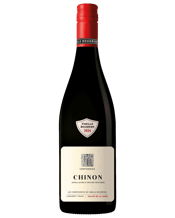
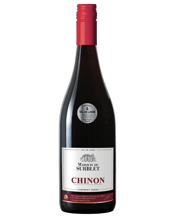
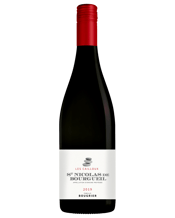
Chinon is also one of the relatively few areas in the Loire Valley that predominantly produces red wines. These wines are made from cabernet franc and tend to be dry and medium-bodied, though blending a small portion of cabernet sauvignon is permitted. Domaine de la Colline makes a particularly fruity cabernet franc, with aromas of red berries, wild strawberries and violet, that rounds out as it ages. Famille Bougrier's Confidences Chinon is more powerful, with a nose of red fruits dominated by gooseberry and blackcurrant. It has good length and is nicely balanced, the product of six generations of Bougrier family knowledge.
While the upper reaches of the Loire are known for their grandeur, the Lower Loire sees the river empty into the Atlantic, where golden beaches become the main drawcard. Near the mouth of the river sits Nantes, an important port city that has come to be a hub for arts and culture, thanks in no small part to the University of Nantes and its 35,000-odd students.
The Lower Loire is best known for Muscadet wine, which is made from the melon grape just south-east of Nantes. Muscadet is celebrated for its salinity – a reflection of the maritime breezes that come in from the Atlantic – and is a natural pairing with seafood, which plays a big role in the epic food scene in Nantes. Plessis Duval's Muscadet Sèvre et Maine Sur Lie is a classic example, with a complex nose of citrus, flowers and white fruits. It's fresh, elegant and made for oysters, which you'll have no trouble finding locally.
Whatever your interest, be it history, cycling or food, the Loire Valley serves up a never-ending buffet of rewarding experiences. And with so many styles of wine being so expertly crafted, it has to be up there towards the top of your list when it comes to visiting France.



%20(1)?$dans-daily-web-image$&hei=900)
?$dans-daily-web-image$&fmt=png-alpha&wid=800)