


Prepare to fall hard for the irresistibly juicy gamay grape.
Everyone knows Burgundy. Everyone loves Burgundy. Burgundy became a doctor, Burgundy calls home every week, but Beaujolais? Beaujolais dropped out, left home and became an artist. It's a little kooky – and for a while there it was a little lost too – but those that know it well will sing its praises to the world.
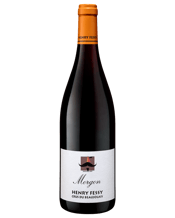
Comparisons are often drawn between Beaujolais' gamay grape and the pinot noir of Burgundy: both are red, fruity and make a lighter-bodied style of wine. More importantly, both pinot noir and gamay – or Burgundy and Beaujolais – are incredibly drinkable, whether it's young or with some ageing. The difference? Burgundy has long been in fashion, with its famous Grand Crus and expensive bottles, while Beaujolais has spent many years in the wine wilderness – until now, that is. The Henry Fessy Beaujolais Vieilles Vignes is a great introduction to the gamay grape, with a light spice and body full of red fruits and silky tannins.
Beaujolais shot itself in the foot in the mid-20th century. The region began producing a cheap, easy-drinking style of wine known as Beaujolais Nouveau and decided that it should be released at the end of harvest on the third Tuesday of November and rushed out to the world. It was a stroke of marketing genius and over the years, Beaujolais Nouveau Day took on a carnival-like atmosphere with producers racing to export their wines as quickly and creatively as possible. Imagine hot-air balloons and concorde flights transporting over 60 million bottles of wine around the world.
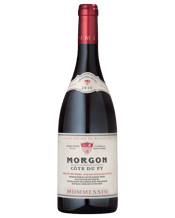
The wine itself was young, fruity and had none of the tannin you’d associate with red wine. It was also a total misrepresentation of what the gamay grape is capable of, but the damage was done, and it's only now that the Beaujolais is being taken seriously again. Fortunately, there are so many great wines waiting to be discovered by anyone who can get past the memory of Beaujolais Nouveau, like Mommessin’s Grandes Mises Morgon Côte de Py. It takes heavy inspiration from neighbouring Burgundy and is produced using a rarely seen technique known as délesage, which results in a well-structured wine with more body than you might expect.
First off, there are three tiers of Beaujolais: Beaujolais AOP, Beaujolais Villages and Cru Beaujolais.
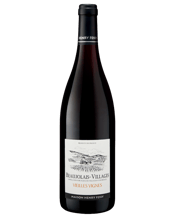
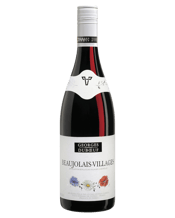
Wines labelled Beaujolais AOP tend to be made in a fruity, very easy-drinking style, like the La Grande Couronne Beaujolais, which is light, crisp and at its best slightly chilled. Take a step up to Beaujolais Villages and you start to see a bit of complexity and character, as well as ageing potential, for around $20–25.
It’s the 10 areas designated as Cru Beaujolais that really show what the gamay grape can achieve. Each Cru has its own distinct personality reflective of the terroir, and the wines are complex and worthy of ageing, though they can still be snapped up for $30–50. These wines won't have 'Beaujolais' on the label, so it can be difficult picking them out at a bottle shop without assistance. What you want to look for is the names of the ten Crus: Moulin-a-Vent, Morgon, Julienas, Brouilly, Côtes de Brouilly, Regnie, Chenas, Chiroubles, Fleurie and Saint-Amour.
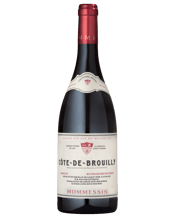
The beauty of a well-made Beaujolais is that it can perform as a serious red wine yet still pair well with a wider variety of foods than, say, a shiraz. Meals you'd pair with a white wine, like white meats, are great with a vibrant, juicy Beaujolais, while the more complex Cru Beaujolais are perfect with darker meats. Mommessin's Grandes Mises Côte de Brouilly – with its spice, cocoa, red fruits and silky tannins – was born to be enjoyed with duck.
There are so many more reasons to love Beaujolais than the five above. As always, the best way to uncover them is to try some for yourself.



%20(1)?$dans-daily-web-image$&hei=900)
?$dans-daily-web-image$&fmt=png-alpha&wid=800)