Think bigger is better? These lesser-known red wines might just change your mind.
Think bigger is better? These lesser-known red wines might just change your mind.
Order a light beer and you pretty well know what you’re getting – it’s beer, but lower in alcohol, right? When it comes to wine, though, ‘light’ can mean all sorts of things. Lighter red wines, for instance, tend to be lower in tannin, the grippy astringency you get from most reds. Lighter-style red wines can be lighter in colour, going to an almost rosé-like blush. They’re almost universally lower in alcohol than bigger reds, too, generally sitting at around 13% ABV. Most of all, they’re light in terms of body or palate weight – that is, they’re not as viscous and mouth-filling as bolder styles.
Despite all this, light doesn’t always mean lacking in complexity, but uncomplicated wine can be part of the appeal in these lighter styles. The French (as always) have a term for them – vin de soif – that basically means refreshing, simple and light styles. They’re wines made to enjoy now, not sit in the cellar. The French term glou-glou – you and I might say ‘glug-glug’, if you get the idea – is another shorthand for light reds with good times in mind.
These light styles all add up to a Venn diagram of characteristics with a centrepoint crossover reading ‘DELICIOUS’. Some will be flavour bombs with a light body, some will be brightly-acidic without much fruit flavour, some will be winter friendly, while others are destined for the esky on a summer’s day. They’re all a bit different but united by their relative lightness.
Ready to light up your world? Here are six of the best lighter-style reds to keep in mind.
Click image to shop
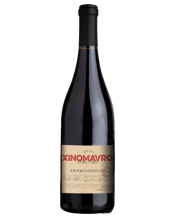
1. Xinomavro
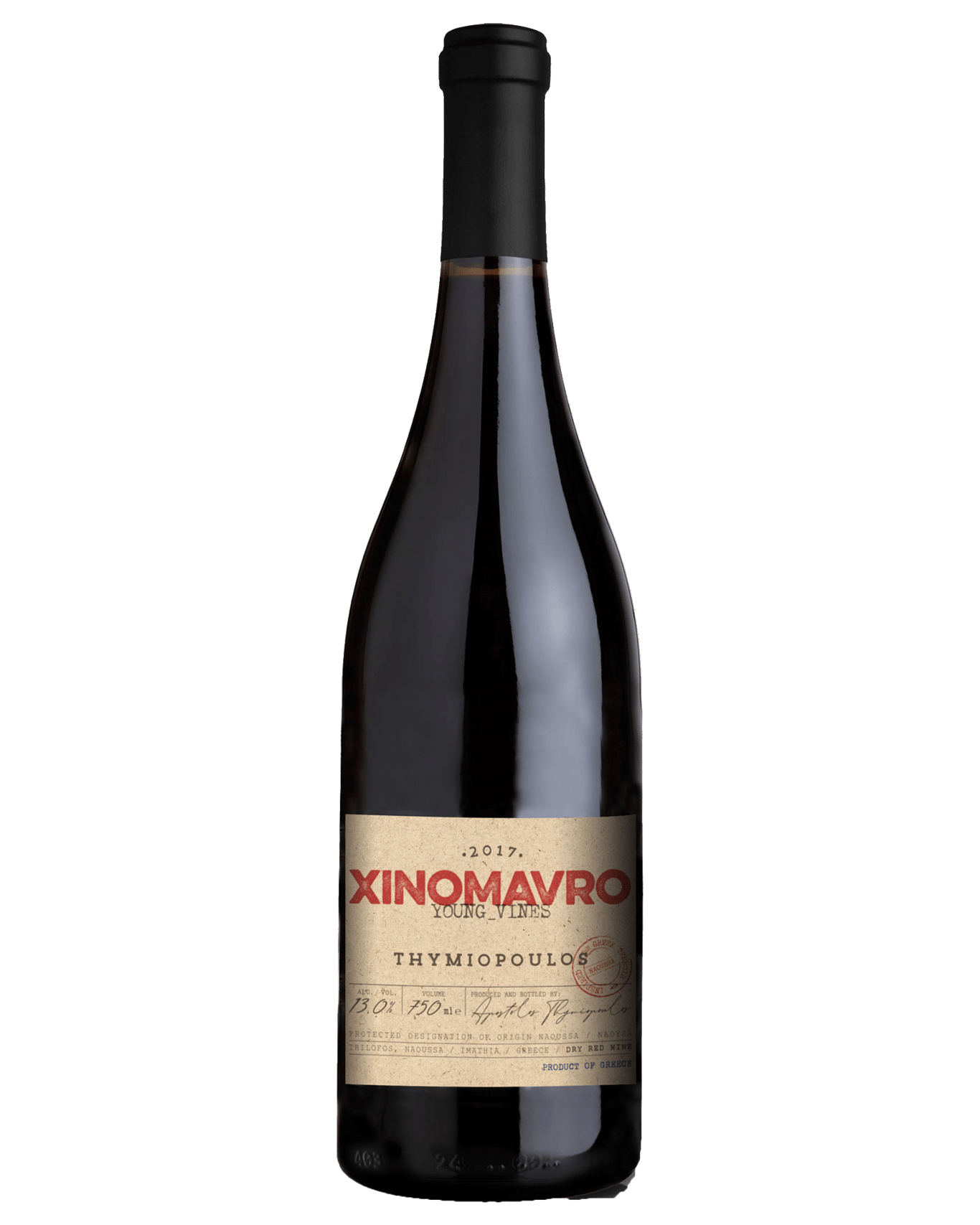
Lighter, but no featherweight, xinomavro (ksee-no-mah-vro) grapes become unique wines of great complexity. Most associated with the Greek region of Náoussa, xinomavro has long thrived under the hot Mediterranean sun, ripening up to sometimes becoming pretty darn full-bodied. Like the Jekyll and Hyde routine pulled by shiraz and syrah styles, xinomavro can also be lighter depending on the climate and winemaker preferences.
However you prefer it, xinomavro is notable for its bright acidity and bounty of fruit flavours – we’re talking red and black fruits like plum, often with a little savoury tomato in there, too. For a xin on the lighter side, we’d start with the Young Vines Xinomavro from Thymiopoulos, which is just 12% ABV, soft on tannins and loaded with Mediterranean flavours. It’s a good pick for anyone moving on gently from Barossa shiraz and a perfect pairing with gently-charred lamb or veg from the barbecue.
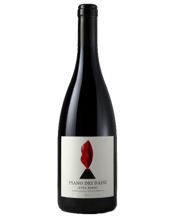
2. Etna Rosso
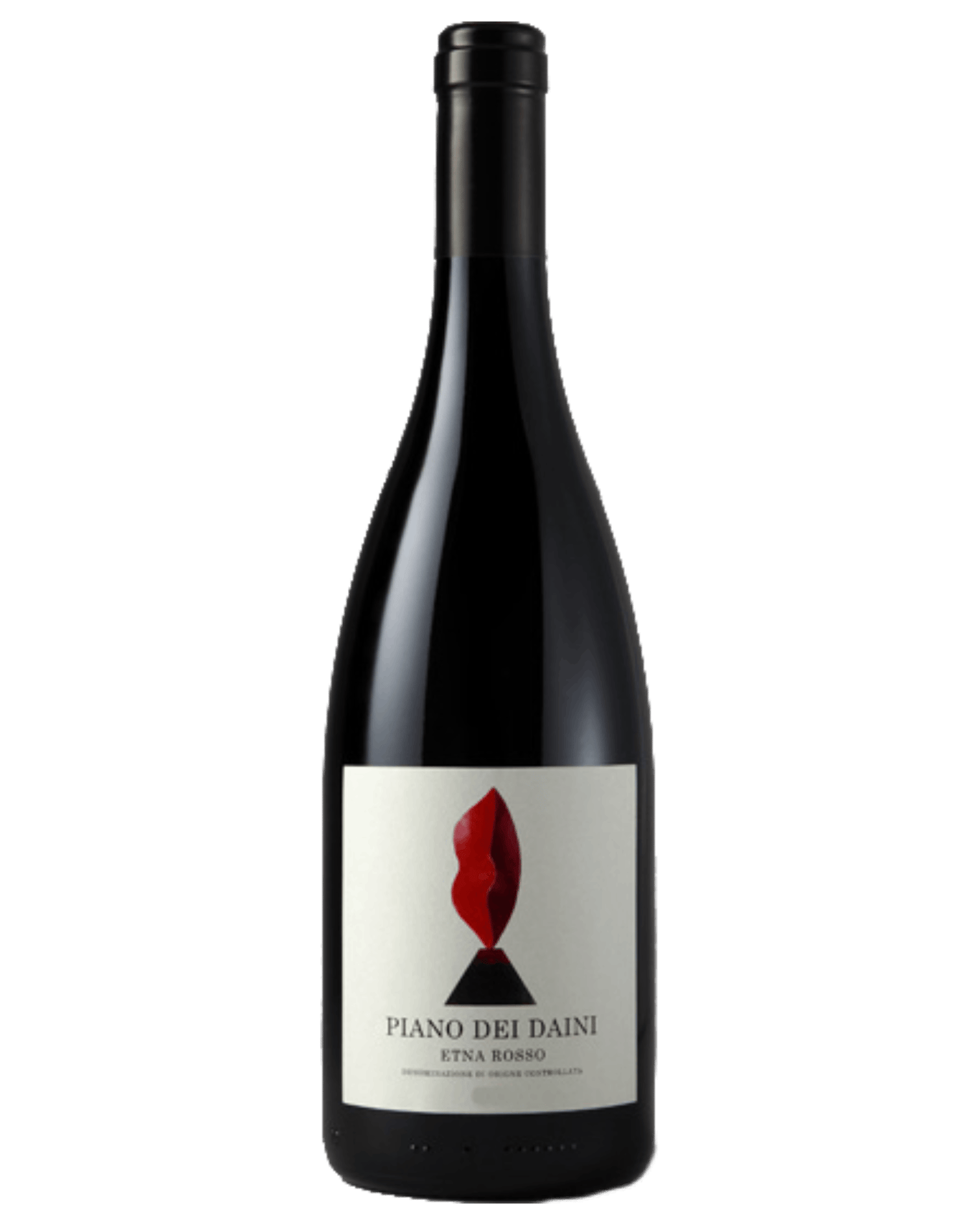
Two grapes commonly go together to create Etna Rosso, the red wine of Sicily’s Etna region. Here, nerello mascalese and nerello cappuccio grow in the volcanic soil of Mt Etna, the island’s active volcano, resulting in a wine style lauded worldwide for its vibrant acidity, ripe berry flavours and volcanic minerality (you can probably guess why). All up, you’re generally getting a medium-bodied wine that lands somewhere in the world of pinot noir and sangiovese.
To start, we’d go for the Piano dei Daini Etna Rosso, a lighter expression that is still no pushover. Here, you’re looking at a wine made with a 90:10 split of nerello mascalese and nerello cappuccio (by law, there must be a minimum of 80% nerello mascalese in these wines), full of juicy fruits, subtle herbs and volcanic mineral flavours.
Click image to shop
Click image to shop
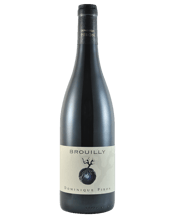
3. Beaujolais
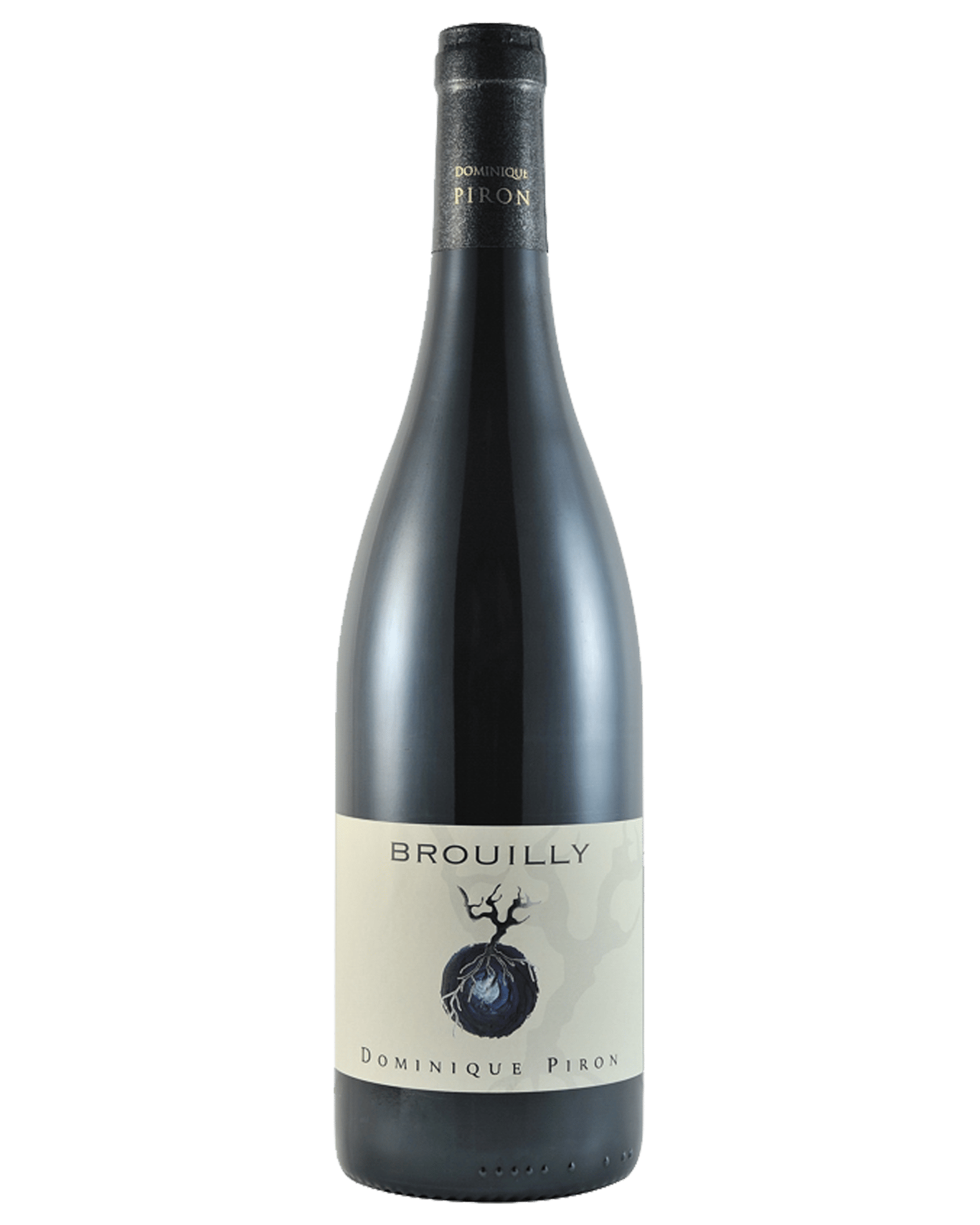
With apologies to pinot noir, it’s hard to find a more perfect light-style red wine than Beaujolais. Like our volcanic Etna Rosso, Beaujolais is a regional designation, not a grape variety – the grape itself is gamay. Its signature is its thin skin (giving me more in common with a grape than I’d prefer), resulting in wine with very subtle tannins. You’ll also generally find flavours and aromas like blueberry and raspberry in gamay wines, with plenty of acidity to keep things light and lively.
Beaujolais is a great candidate for drinking chilled – particularly the young, uncomplicated and light styles like Beaujolais nouveau or, our pick, Brouilly. If you’re just heading into the world of Beaujolais, a wine like Dominique Piron is ideal because it’s often quite light (this one just verges on medium bodied) yet packed with savoury flavours and juicy fruit characteristics. If you want to go proper light, Beaujolais nouveau is as good as it gets and is nearly akin to a rosé – a definite glou-glou.
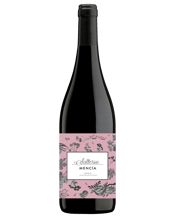
4. Mencia
Travel to the Iberian Peninsula of Spain and Portugal, and you’re bound to bump into mencia, the region’s iconic, medium-bodied red wine. Although mencia is grown around the world now (keep an eye out for Aussie takes from McLaren Vale and the Adelaide Hills), Spanish and Portuguese versions have their own thing going, with big floral aromas and a hint of crushed granite (it’s more delicious than it sounds, honestly).
One region particularly renowned for its magnificent mencia is Bierzo in Spain, which is dominated by slate soils (hence those mineral notes we mentioned). As a starting point, go for something like Salterio Mencia from Bierzo, a medium-bodied wine with pretty aromas of violet alongside flavours of plum and cherry.
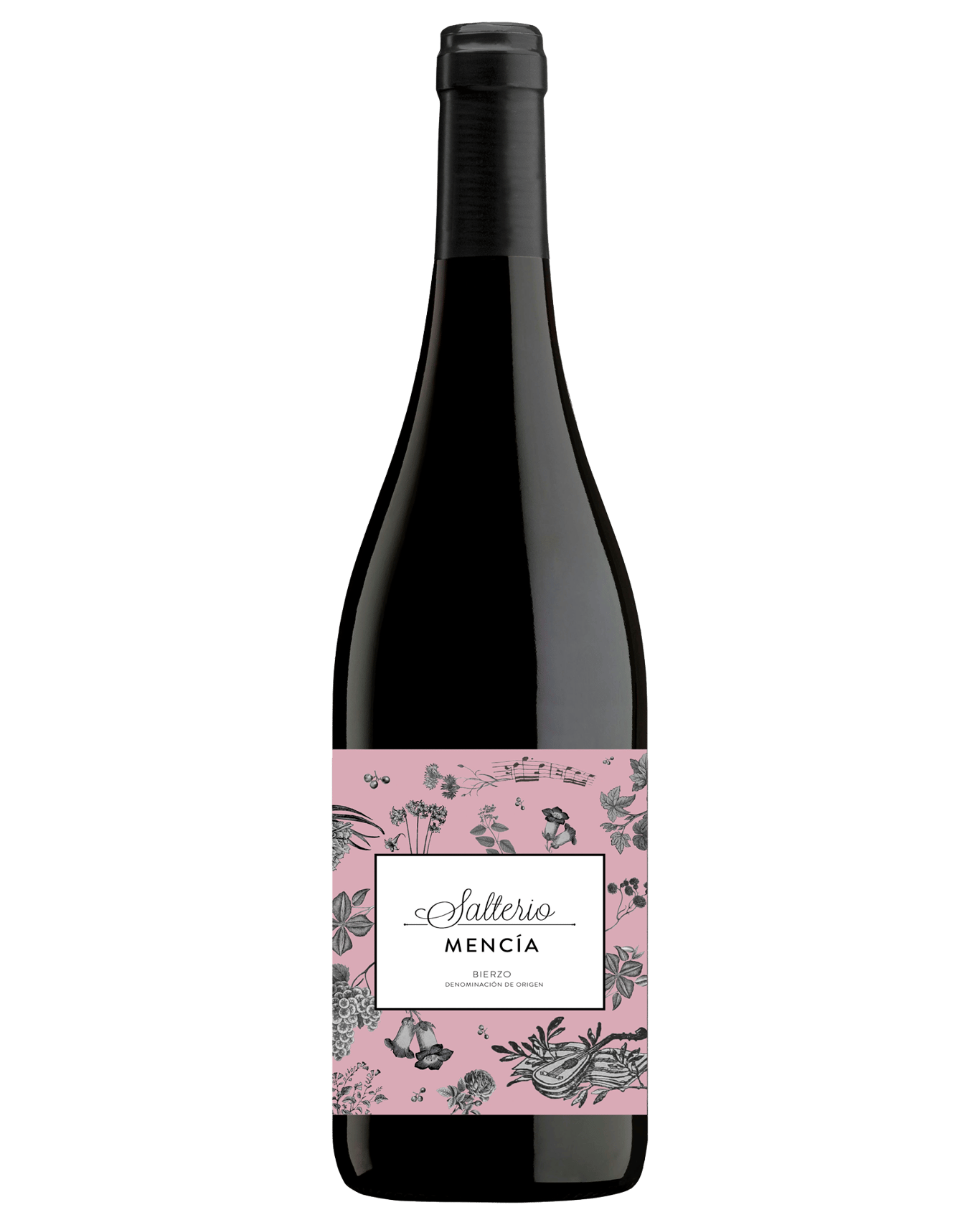
Click image to shop
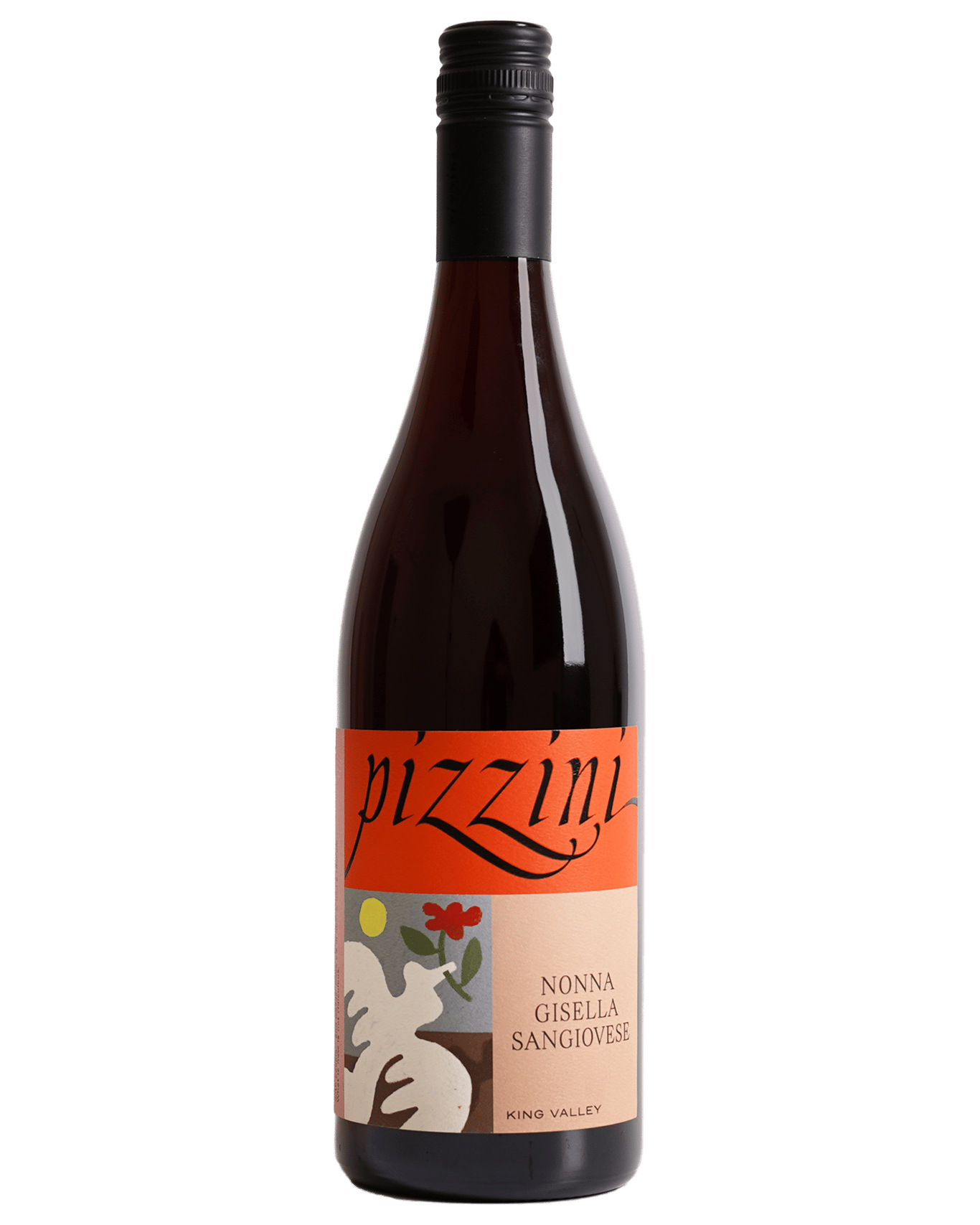
Click image to shop
5. Sangiovese
If you’ve ever been to the King Valley in Victoria, you’ll know about sangiovese. One of Italy’s greatest varieties, the grape has done particularly well in our part of the world and is a bit of a favourite these days. With its easy-going flavours and (mostly) medium-bodied profile, sangiovese has become a wine of the people – everything from your local pub’s house red to a specialty import for wine adventurers.
If you’re after an Italian version of sangiovese, look for Chianti – this is a sangiovese-dominant blend that’s a no-fooling pick if you’re trying to pair something with red-sauce pastas or grilled meats. For our part, though, we’re inclined to look to our friends in the King Valley, with long-time residents Pizzini producing one of the great examples in the Nonna Gisella Sangiovese. It’s not too full-bodied, but it’s no featherweight, with its chocolate aromas and fruit flavours all balanced by lovely, soft tannins. It’s a cracker for pizza night, if you want, but it also doesn’t need anything to go with it.
6. Grenache
Like most of the varieties listed here, grenache is a chameleon. It can be light as water or potent and powerful, all depending on the growing conditions and the winemaker’s touch. Historically, grenache is associated with Spain (where it’s known as garnacha) and the Rhone Valley in France, but Australia has adopted the grape as one of our own.
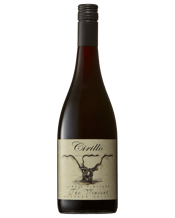
Here, regions like the Barossa and McLaren Vale produce ripe, fruit-forward grenache that’s still delicate enough, resisting the sort of high-alcohol fullness you might find in shiraz. Our current favourite – the Vincent Grenache by Cirillo – bursts with flavours like raspberry jam and white pepper, with enough body to hold its own against your favourite barbecued meats, if that’s your thing. This is a style that offers a great alternative for pinot noir lovers who want something a little fruitier than their go-to.
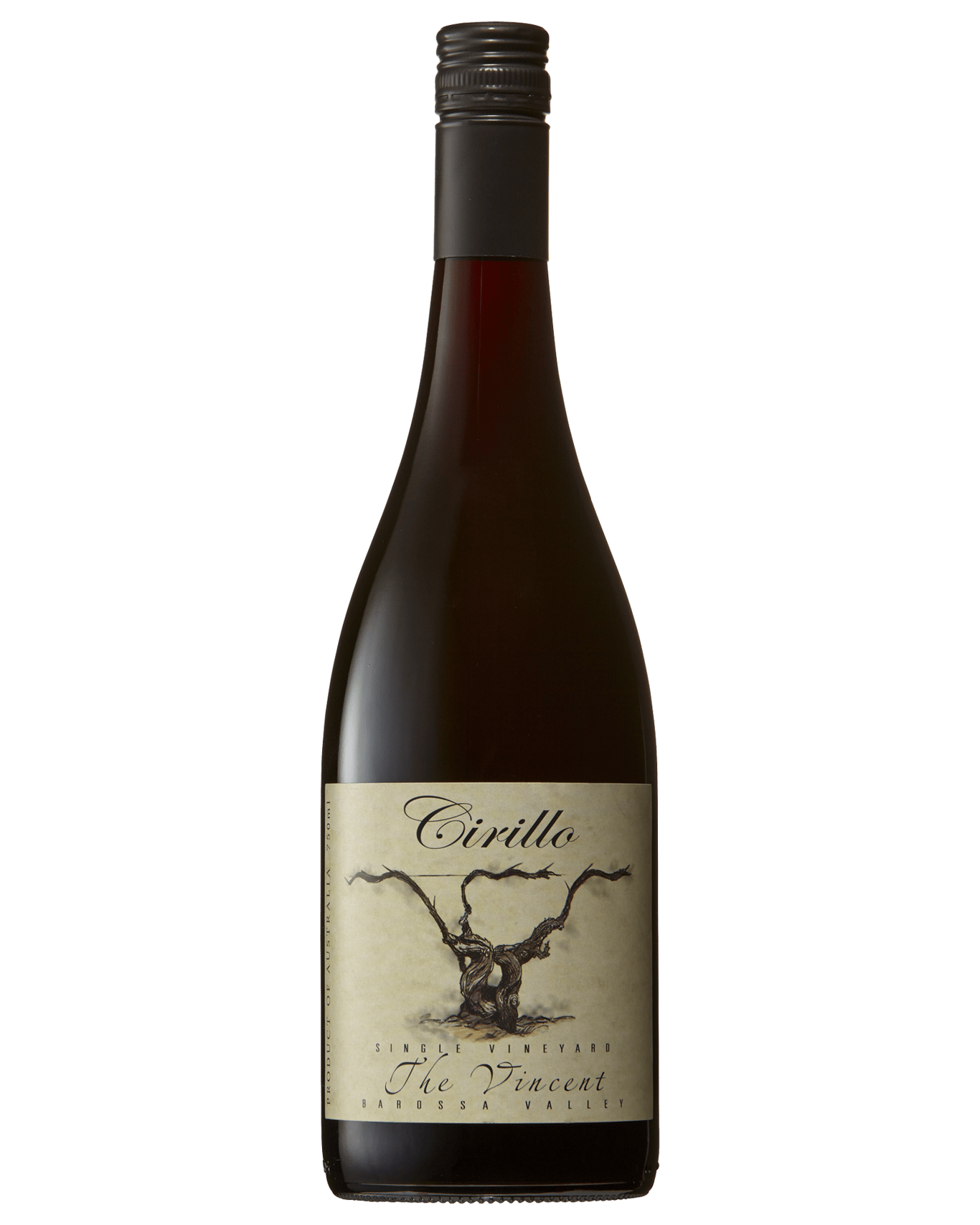
Click image to shop