


We ask Penfolds chief winemaker Peter Gago why this wine is a cult classic, and what to expect from the new release.
Even if you only know a little about wine, you’ve most likely heard of Penfolds Grange. It’s the Nicole Kidman of Aussie wines: a national icon that’s super elegant and reliably good, and odds are that even your grandad knows it, too. Grange has been around for a lot longer than Nicole, though – the winery is now celebrating 75 years of that famous wine.
But why has this red wine reached such cult status at home and overseas? Is it worth all the fuss? And why does it sell for so much? In case you’re wondering, that 1951 Grange holds the record sale price for a bottle of Australian wine at a whopping $142,131. Let’s dive in.
Heritage-listed by the South Australian National Trust, Penfolds Grange is a shiraz that blends fruit from various South Australian wine regions, and it usually also has a small percentage of cabernet sauvignon in the mix. Significant shiraz contributions tend to come from the Barossa Valley, Clare Valley, McLaren Vale and Magill Estate, while cabernet comes from the Barossa Valley, Coonawarra, McLaren Vale, Padthaway and Robe. The ratios and regions differ slightly each year, depending on what’s deemed the best of the best.
Chief winemaker Peter Gago says most people expect Grange to be powerful, confronting and intimidating. “What usually surprises them is its completeness and relaxed demeanour,” he says. “Everything is there – balanced fruit, oak, tannin, acidity – yet nothing dominates. It has scale, certainly, but also detail and composure. It’s unmistakably Australian and unmistakably Penfolds.”
Peter adds that while you could certainly spend hours analysing and pondering Penfolds Grange with each sip, it can also be just as rewarding to sit back and enjoy a glass, too.
Australian inventions always come with a hit of innovation, confidence and a bit of cheek; Penfolds Grange is no exception. During a research trip to Bordeaux in 1949, Penfolds winemaker Max Schubert became determined to make the first great Australian red wine. At a time when most Australians were still drinking mostly fortified wines and beer, this was an exceptional aspiration. On return, Max set about doing just that, with 1951 the first vintage. It’s believed there are only a few dozen bottles left of that 1951 – hence that hefty price tag.
Max was pretty excited about his new wine, so he invited management to taste it. To his horror, they hated it and ordered production to stop. However, with management based in Sydney, Max and his team in South Australia continued to make the wine in secret, and the wines were hidden in Magill’s underground cellars.
The Sydney bosses eventually found out about the wines, which led to a second tasting with the same board members. This time, Max put the 1951 and 1955 vintages on the table, and to everyone’s delight – and relief – they were met with enthusiasm. The board swiftly ordered the official production of Grange – and it has been made every year since that debut 1951 vintage.
So, how exactly did Penfolds Grange claim its place as one of Australia’s best wines? Well, it’s a combination of the buzz it created during its beginnings, and its superior ageing potential. Penfolds Grange is made to be seriously long lived – we’re talking 20, 30, 40 years and more – and designed to get even better over time.
Still, it’s important to note that Peter Gago says young Grange is also hugely enjoyable. “The experience is simply different,” he says of drinking Grange on release and as a much more developed wine. “A young Grange is vibrant, energetic and full of primary fruit. A mature Grange becomes more complex and layered over time.”
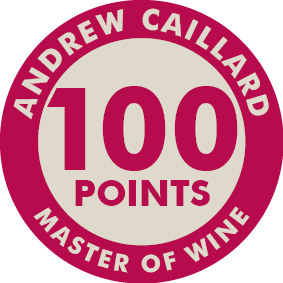
As for its runs on the board, the 1971 Grange won Best Shiraz in the World at the Wine Olympics in Paris in 1979, but it wasn’t until the 1976 vintage that things really took off; it scored 100 points from leading US wine critic Robert Parker Jr. Grange already had plenty of local fans, but this was the first time it was widely recognised internationally. It’s no surprise that this was when demand and prices soared.
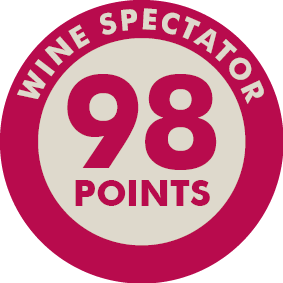
Fast-forward to the noughties, and Grange’s 1990 vintage was named Wine of the Year by acclaimed US magazine Wine Spectator. Today, Penfolds Grange has a whole lot more accolades behind it and is revered right around the world.
Ongoing refinements continue to improve on this wine, too. Peter says these include enhanced vineyard prowess and greater precision in viticulture, along with a deeper understanding of sites and the seasons. “Indeed, many of the meaningful changes actually happen in the vineyard nowadays,” Peter says. “Naturally, better oak selection, extraction finessing and evolved bottling protocols all impact, yet Grange remains remarkably true to its original DNA.”
At almost $1000 a bottle, it’s safe to say that Penfolds Grange is beyond the average wine budget. But hear us out. If you love wine and have some savings floating about, it could be a great investment. Or you could even get a bunch of wine-loving mates together, chip in for the latest release and share it together over a memorable meal.
But why so much? “The reality is that Grange starts with exacting fruit selection across multiple regions, followed by sensitive maturation in new oak, blending and years of patience before release,” Peter says. “Every vintage also carries a proven track record for ageing, measured not in years but often decades. Ultimately, the greatest reward arrives when it’s opened and shared.” Peter adds that this is why people often buy Grange from a birth year or save it for a milestone occasion.
If that’s not your style, Grange is just one wine in the wider Penfolds Collection – there’s a whole suite of other wines across all styles and price points, starting at $45. That means you don’t have to blow the budget for a taste of Penfolds. Instead, turn your attention to the likes of the Penfolds Bin 51 Riesling, Bin 128 Shiraz, Bin 311 Chardonnay, Bin 389 and more.
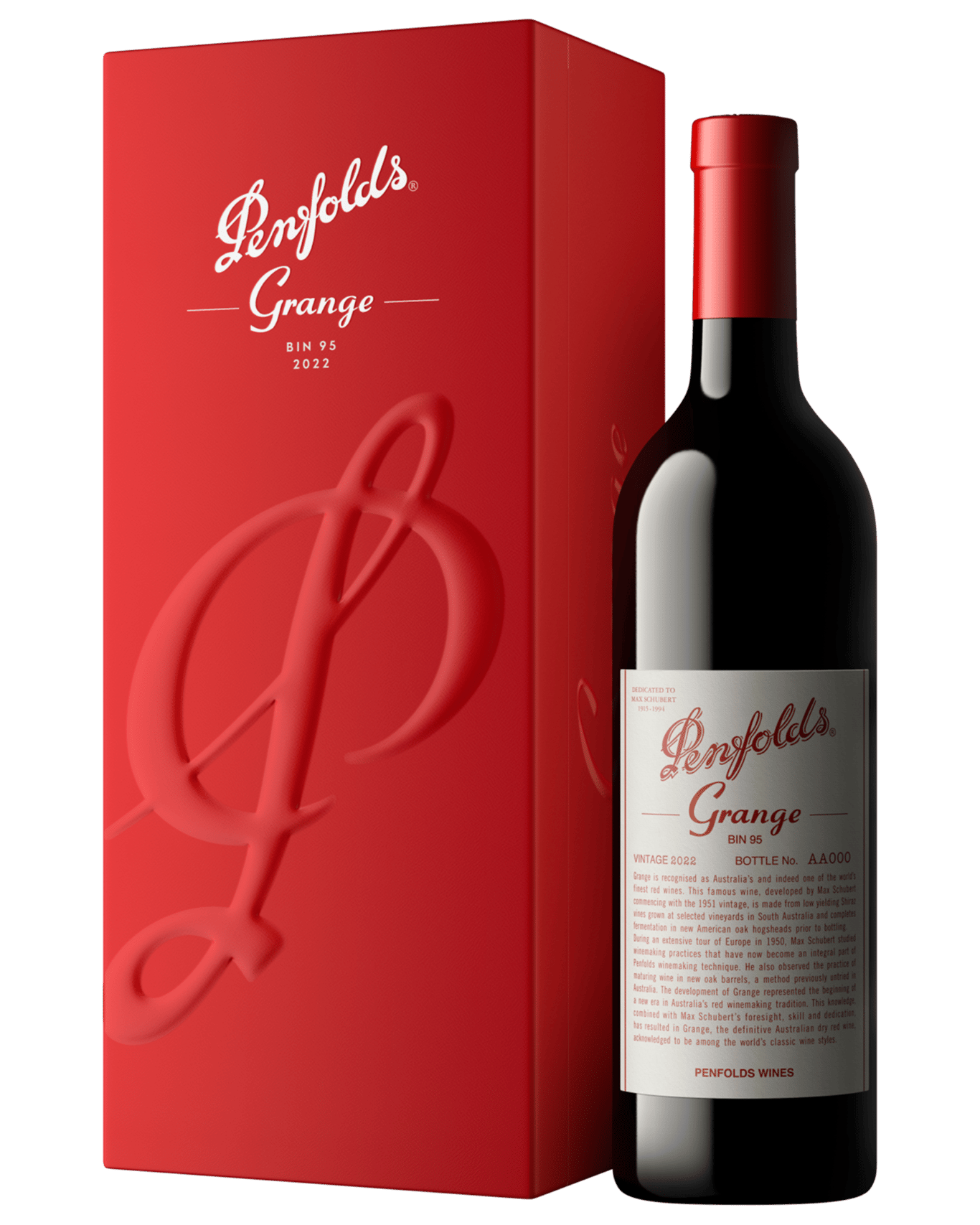
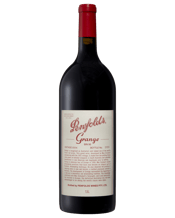
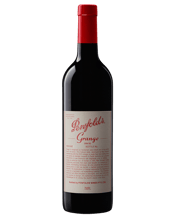
Click image to shop
What does the new Penfolds Grange taste like?
According to Peter, this year’s 2022 vintage is, as always, unique. “The beauty of Grange is that every vintage tells its own story. While the Grange style is instantly apparent, no two vintages have ever been the same,” he says.
Predominantly shiraz, with a small amount of cabernet (just 3%), the new wine was made from the finest parcels of fruit across South Australia. “In fact, 87% of the final blend comes from the Barossa Valley, ushering a commanding presence and generosity,” Peter says.
Expect aromas such as dark fruits, black cherry, dark chocolate and chinotto, while to taste, Peter says it’s powerful but not heavy, with energy, concentration, precision and freshness. “It possesses that rare combination of opulence and restraint that we strive for in Grange,” he says.
If you’ve got the dosh, then absolutely. Penfolds Grange consistently wins awards and receives accolades from wine critics all over the world. It’s delicious, but it’s also a key part of Australia’s wine history – and future.
While Peter says the question of whether it’s worth the fuss is best left to those who drink it, he does have a few key points. “What I can say is that very few wines have seven decades of unbroken lineage while maintaining the confidence of collectors and critics around the world,” he says. “Grange has never chased trends. It has survived because it consistently delivers on its promise. Vintage after vintage, decade after decade, it continues to surprise people with how well it ages and evolves, and how distinctly Australian it remains.”
If you’re ever lucky enough to get a hold of one of these bad boys, remember to keep the bottle in good condition, give it daily affirmations (we’re joking – maybe) and appreciate the care, patience and good old Aussie cheek that’s gone into each bottle.





%20(1)?$dans-daily-web-image$&hei=900)
?$dans-daily-web-image$&fmt=png-alpha&wid=800)