

What’s so good about the wines from this northern Italian region? We take a closer look at what it does best.
For a country with 20 spectacular wine regions, Italy’s Piedmont sure gets a lot of the glory. Then again, this stunning north-western region is home to some of the world’s most prestigious wines – its best reds are the stuff of wine lovers’ dreams. Among Piedmont’s story-book scenery – think mountains, lakes and sweeping vineyards – the region’s producers have been growing and fine-tuning these wines for centuries. It’s no wonder they know what they’re doing.
Piedmont is best known for its sought-after reds – nebbiolo is its claim to fame – but it also makes a range of other styles, from aromatic whites like arneis and cortese to bright, spritzy moscato and more. And while its super-premium wines come with super-high prices, there is still plenty of value for anyone wanting to explore the region with a tighter budget. To help navigate Piedmont and its flagship varieties, we break down this celebrated region, some of its main growing areas (there’s almost 60 all up), and what they do best.
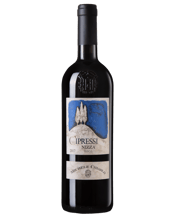
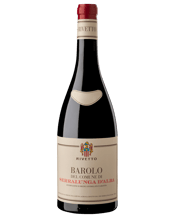
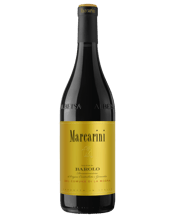
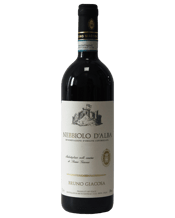
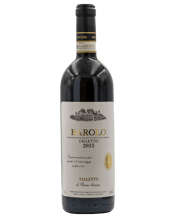
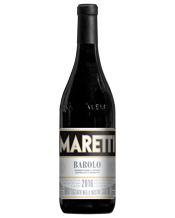
A tricky grape to grow and make, nebbiolo produces a complex wine that can take a little time to grasp. Still, this tannic, vibrant and powerful red is revered for its cherry, floral, and tar and roses characters, and it’s considered Piedmont’s greatest wine. This is especially true of the 100% nebbiolo expressions from the prestigious areas of Barolo and Barbaresco. Both are DOCGs, or ‘controlled and guaranteed denominations of origin’, which is the highest-quality classification of Italian wine. In short, they’re among Italy’s – and the world’s – best.
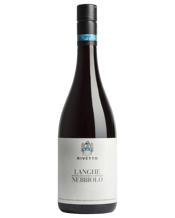
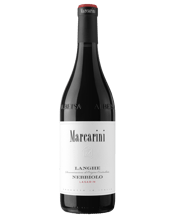
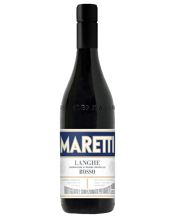
Thanks to Barolo and Barbaresco evolving beautifully in the bottle for decades, these wines are high on many collectors’ wishlists. But while these two DOCGs tend to steal the nebbiolo show, this variety is grown and made across the wider Piedmont region. That means there’s a whole range of styles and price-points on offer, including more affordable nebbiolo-dominant blends. Langhe Nebbiolo can offer a great introduction to the variety as these wines tend to be more approachable in style and often have a friendlier price tag, too.
If nebbiolo’s grippy tannins aren’t for you, Piedmont turns out other excellent red wines, including barbera – particularly those from the Asti and Monferrato subregions. Also grown elsewhere in Italy, barbera’s northern expressions are more easy-going wines full of red and black fruit, licorice and pepper flavours, and herbal notes. Like so many Italian wines, they’re brilliant with many different foods, especially Piedmont’s trademark rich dishes.
For another top Piedmont red, dolcetto is an intriguing wine. Despite this grape’s name translating to “little sweet one”, the wines are far from it. Expect blue and black fruit flavours, savoury characters of licorice, tar and pepper, and a fair amount of tannin, too. It’s low in acidity and can stand up to a range of foods with generous flavours, making it a solid addition to the dining table. It joins other lesser-known red varieties in the region, including brachetto (which makes a lower-alcohol, sweeter red wine), the fruit-forward and spiced vespolina, and versatile freisa.
They may not get a lot of airtime, but Piedmont produces some exceptional whites. The best known are its sweet, fizzy moscatos as seen in Asti Spumante, which are sparkling styles with lower alcohol levels at around 9%, and Moscato d’Asti, which are even sweeter and just a little spritzy, with alcohol levels around 5%. In Italy, moscato is popular as an aperitif and served with dessert – its sweetness is just made for fruits and pastries.
Arneis is another of Piedmont’s top whites, and it thrives in the subregion of Roero. It’s a medium-bodied fresh and aromatic wine, with nutty characters and flavours of stone fruit, apple and pear. This makes it a great match with dishes like roast chicken, pasta and seafood – think of it as a great sub for pinot gris or chardonnay.
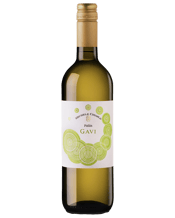
The other key white variety here is cortese, which particularly thrives in Piedmont’s growing area of Gavi. Cortese is traditionally made in a dry style, with citrus, melon and nutty flavours. It can be high in acidity, but it’s also often made in a richer style, and it’s bang on for pairing with herby pastas and lemony seafood dishes.
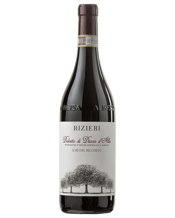
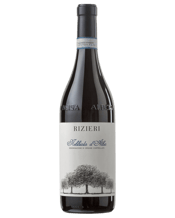
If you’re lucky enough to venture to Piedmont, many wineries offer incredible visitor experiences – it’s the best way to really understand this region, its long history and wines. Among our favourites is Michele Chiarlo, where you can spend a day touring the winery, tasting the wines and wandering their museum. Rivetto is another one for the list, complete with roaming donkeys and accommodation suites on the property, as well as Rizieri – book ahead for their personal guided tastings.
For the rest of us, however, there’s still so much to learn – and love – about a region by trying its wines at home. With so many quality drops available from Piedmont, they are a great excuse to hold a themed dinner with friends (this is the time to crack out your best mushroom risotto) and taste a few different styles. Scroll down to find a diverse selection of wines for you to do just that.