


From Speyside to Islay, we run through Scotland’s much-loved spirit, as well as six top bottles to try.
No whisky can match the prestige and history of Scotch. Sure, there are brilliant bourbons, ryes and Irish whiskies well worth raving about (not to mention the other amazing whiskies coming from the rest of the world), but there’s something special about Scotch.
Maybe it’s the fact that those industrious Scots have been distilling this spirit for more than 500 years. Maybe it’s the sheer variety of regional styles and flavours or its versatility. One thing we know for certain is that Scotch is a whisky worth knowing and appreciating – and it’s never too late for an introduction.
Scotch whisky is a spirit, which basically means that a fermented liquid has had its alcohol content concentrated by a process called ‘distillation’. This is the same process used for spirits like tequila, rum and vodka, but there are some key steps that shape Scotch into the spirit we know today – many of which are legally enshrined.
For instance, Scotch can only be made in Scotland (which makes sense); it has to be made from water, malted barley and yeast; it needs to have been aged in oak barrels; and it must be at least 40% alcohol when bottled. There are plenty of other regulations, but those are the big ones.
All whisk(e)y is roughly the same – fermented grain gets distilled and then almost always aged in some sort of wooden barrel. Within those rough guidelines, though, there’s plenty of room to move. And this is where each style of whisky gets its own special characteristics.
Those laws we mentioned above (like only using malted barley and ageing in oak) are the characteristics that differentiates Scotch from the rest. Bourbon, for instance, uses corn in the recipe, and it can only be aged in new American oak barrels. Australian whisky has to be aged at least two years to qualify legally, but Scotch whisky has to be at least three years old.
Some of the differences are subtle and others are significant but, ultimately, Scotch is Scotch because it’s made differently to other whiskies.
The real question most of us want to know is: what does Scotch whisky actually taste like? The answer is that it really depends.
Scotch whiskies might all come from Scotland, but there are plenty of regional styles within that can determine the flavours. The main Scotch whisky regions are the Highlands, Speyside, Lowlands and Islay.
Each Scotch-producing region has historically had its own flavours and style characteristics, although the line gets blurred a lot. Typically, though, if you drink a single-malt Scotch (meaning the whisky comes only from the one distillery) this is what you can expect:
Highlands: Rich and nutty
Speyside: Fruity, spicy and sweet
Lowlands: Light and floral
Islay: Peaty/smoky and coastal
Then there are the blended whiskies which, unlike single malts, can combine whiskies from various regions and distilleries (as well as some amount of a lighter grain whisky) to create all sorts of unique flavour profiles.
Whatever region your Scotch whisky is from, and regardless of whether it’s a single malt or a blend, the best way to really taste and smell its unique characters is to serve it neat – by itself in a glass.
Ideally, neat serves should come in a flared tasting glass or a wine glass because these are best for capturing all the flavours and aromas, but a classic rocks glass works well, too. You can also add a drop or two of water if you find the alcohol a little hot – that warming sensation as you take a sip – or overpowering. Scotch whisky can also be served ‘on the rocks’, over ice, but just remember that the chill will dull your palate and the melting ice can dilute the whisky’s flavours.
Besides drinking Scotch whisky straight, it makes an excellent mixer, lending its sweet, woody, spicy flavours to simple mixes and classic cocktails. One of the best-known simple mixes is the Whisky Highball (which is nothing more than Scotch whisky and soda water over ice), but whisky and cloudy apple juice (which is common with fruity Speyside whiskies like Glenfiddich 12) or even the humble Scotch and Coke are classics for a reason.
Cocktail-wise, you can definitely substitute Scotch where any cocktail calls for another kind of whisky, but there are some seriously delicious specific Scotch cocktails, too. We love the Rob Roy (which combines Scotch whisky, sweet red vermouth and bitters), Rusty Nail (Scotch and Drambuie) and Penicillin (which adds peaty Scotch to sweet honey and zippy lemon), but that’s only a tiny taste of what’s out there (check out our collection of cocktail recipes for more ideas).
Click image to shop
Six Scotch whiskies to try
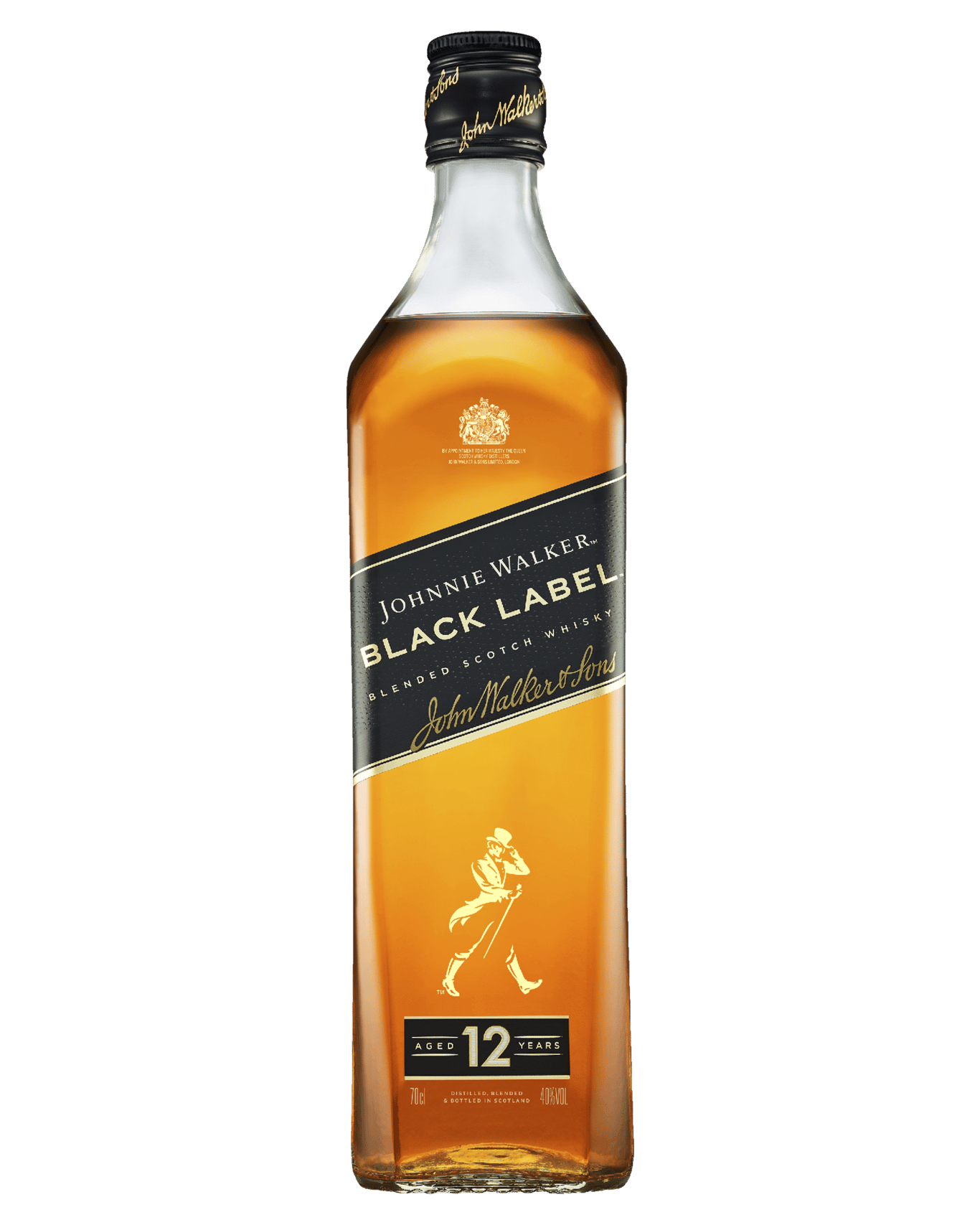
1. Johnnie Walker Black Label
Johnnie Walker might be the most famous name in Scotch whisky, and with good reason – the specialist blender has been making iconic, flavoursome whiskies for more than 200 years now. As a blender, Johnnie Walker isn’t a distillery as such. Rather, Johnnie Walker whiskies are made by combining grain whisky with select single malts from around Scotland to produce specific flavours, like the subtly smoky, fruity, sweet whisky that is Johnnie Walker Black Label. This is a fine sipper alongside some funky blue cheese and your favourite cured meats.
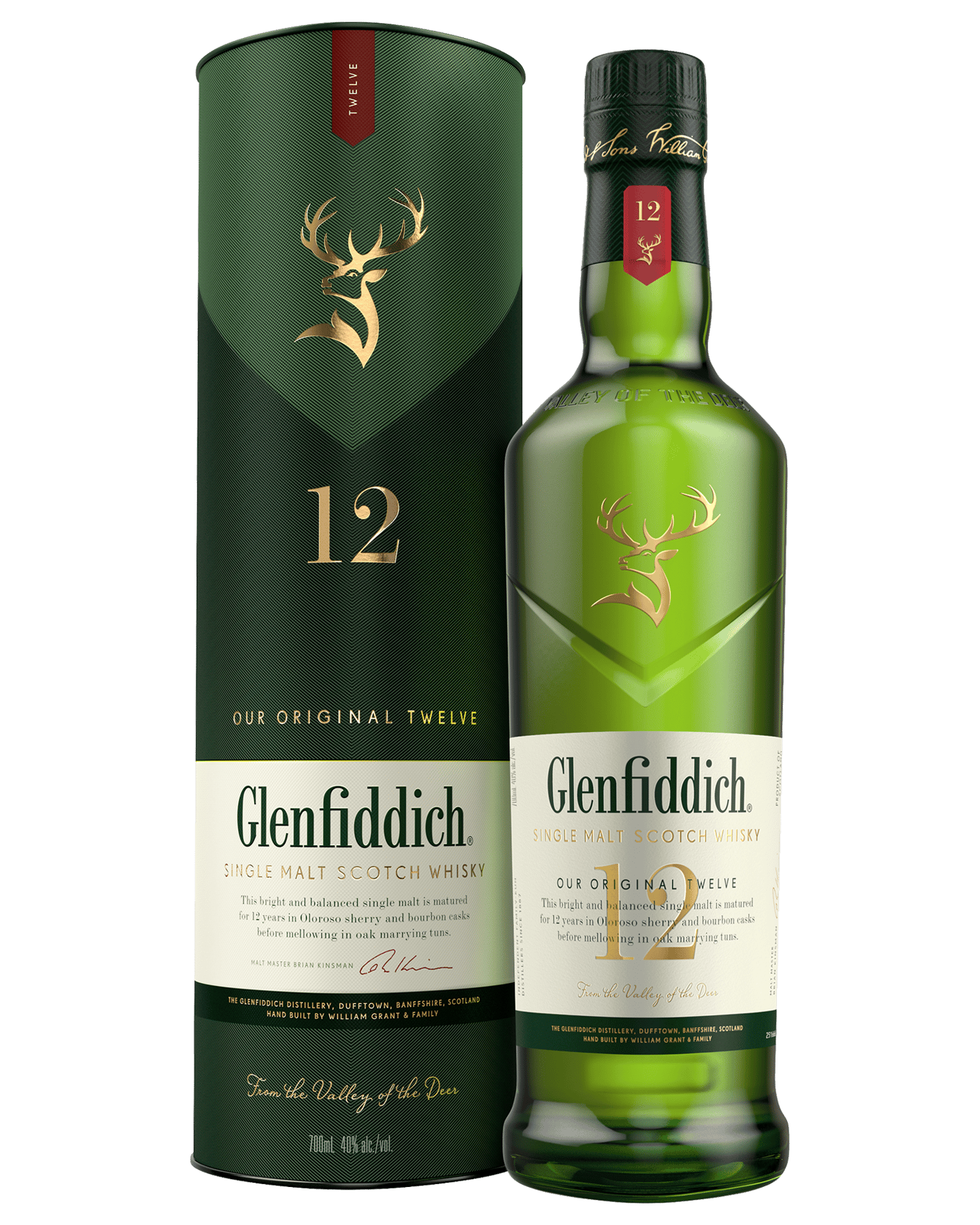
2. Glenfiddich 12 Year Old Single Malt Scotch Whisky
Single malts are whiskies produced entirely by one distillery, and they don’t come much more noteworthy than the 12 year old from Glenfiddich. The Speyside distillery’s flagship is known for its bright green apple flavours over a typically malty base, which makes it one of those single malts ideal for mixing. You’ll often see it mixed with fresh apple juice, but Glenfiddich 12 can also add a fruity jolt of life to traditional bourbon cocktails like the Old Fashioned.
Click image to shop
Click image to shop
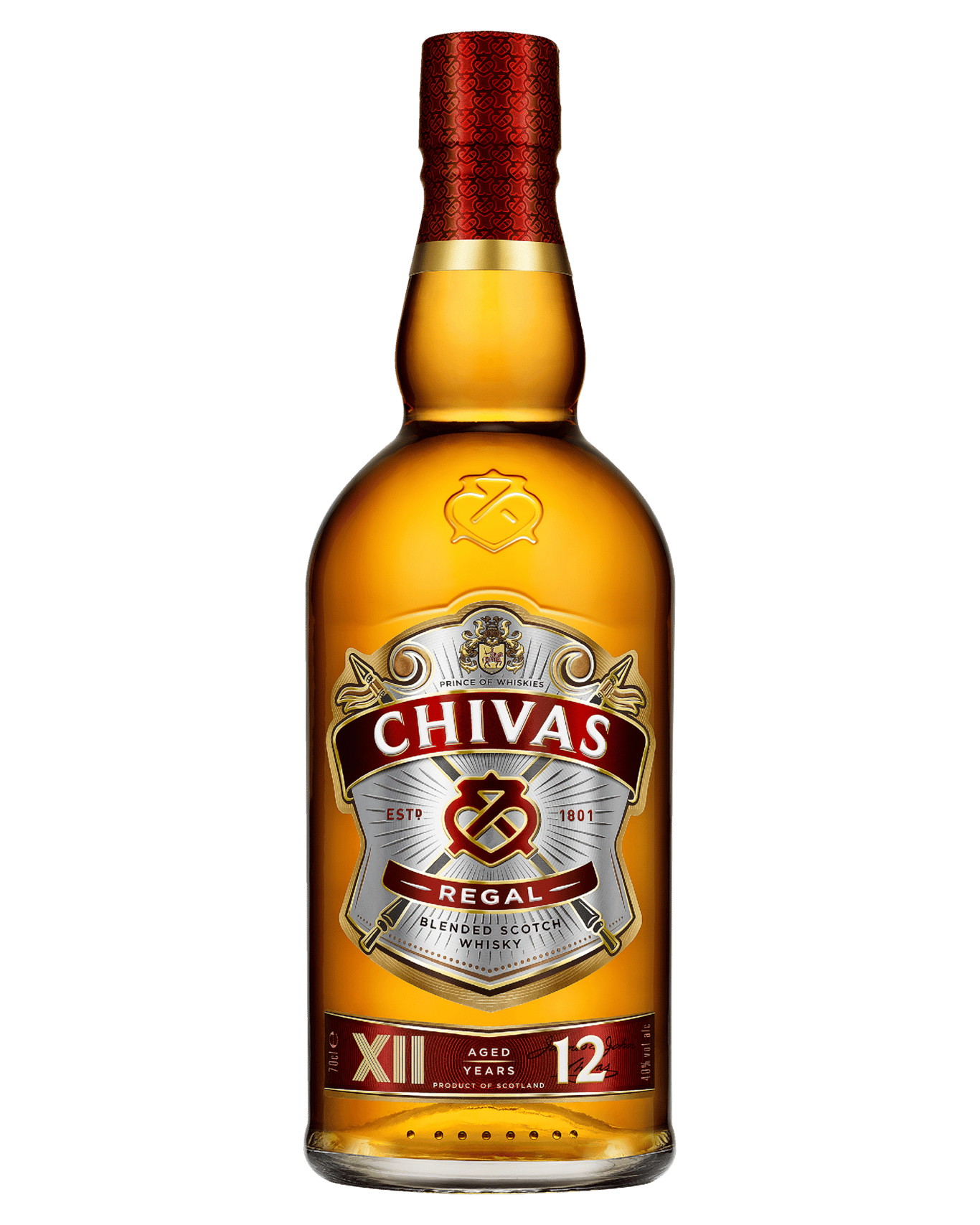
3. Chivas Regal 12 Year Old Blended Scotch Whisky
If you fancy a whisky that sits on the richer end of the spectrum (and you’re not in the market for a 25-year-old, sherry barrel-aged single malt), Chivas Regal 12 is your guy. A blend of Highland malts (which are often regarded for their sweet, nutty richness), we reckon Chivas Regal 12 is about the most approachable after-dinner whisky. Sure, you could use it in a sweet cocktail if you like (subbed in for vodka in an Espresso Martini, perhaps?) but served neat alongside a slab of decadent chocolate cake is about the best way to go in our books.
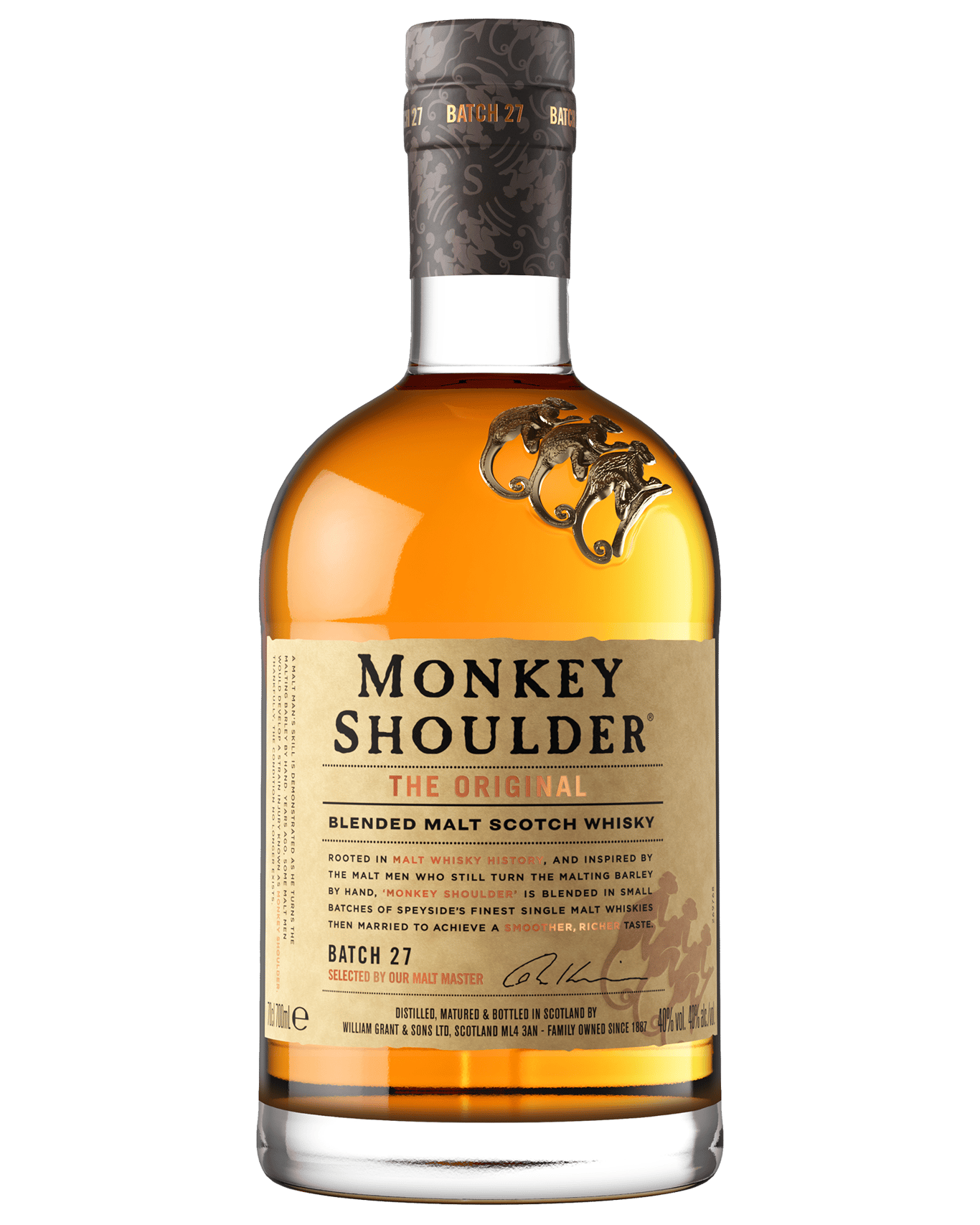
4. Monkey Shoulder Blended Malt Scotch Whisky
Bourbon lovers, here is your entry into the world of Scotch. Monkey Shoulder is a blend of three Speyside malts, though it certainly leans more towards the sweet and rich flavours of the region rather than the fruitiness. The result is a whisky with plenty of bourbon-like vanilla notes and a dusting of baking spices on top. This is a winner wherever bourbon shines but, for us, all those sweet vanilla flavours would make Monkey Shoulder a really fun alternative in a Mint Julep cocktail.
Click image to shop
Click image to shop
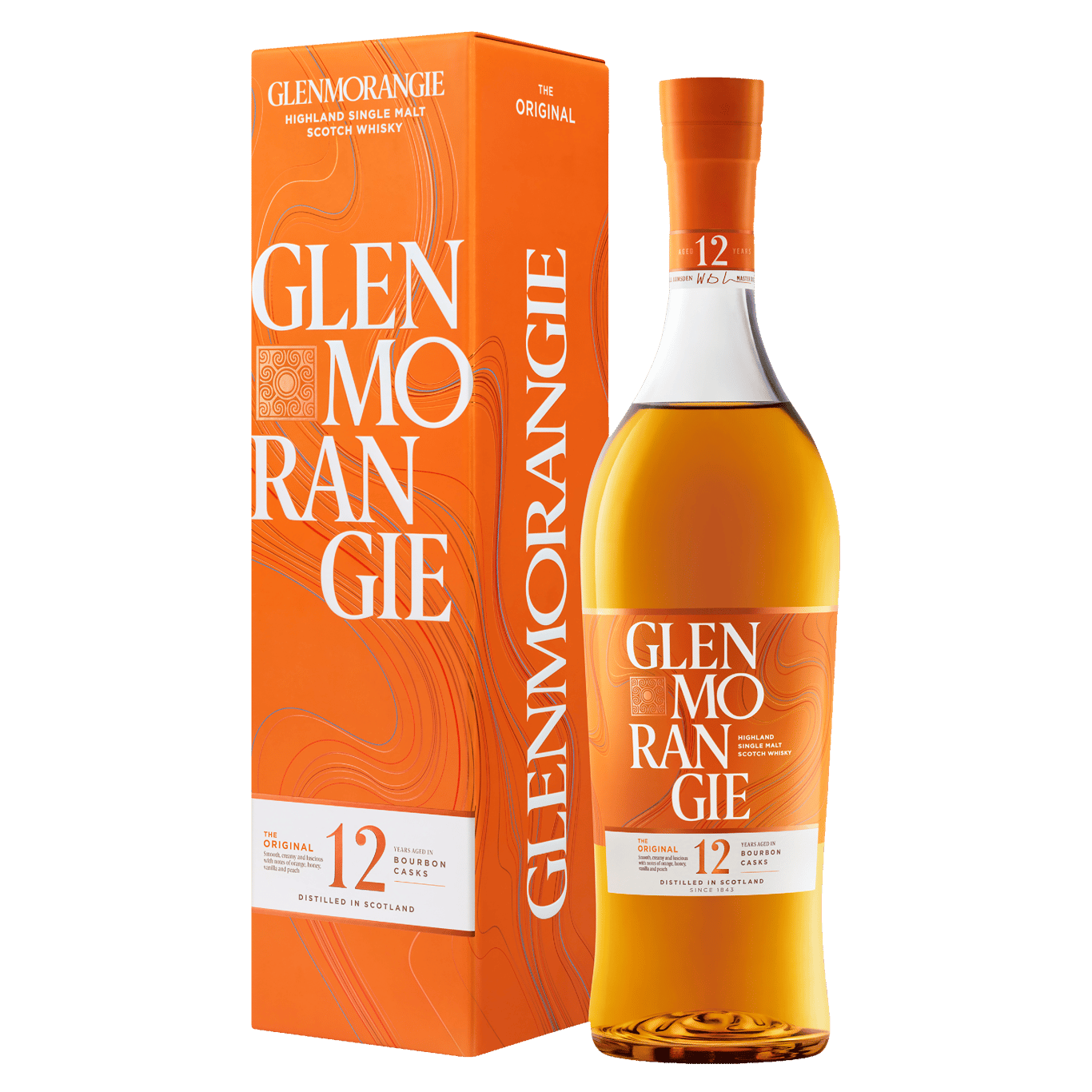
5. Glenmorangie The Original 12 Year Old Scotch Whisky
Scotch has gone through a bit of a change in recent years, mostly due to the fact that sherry casks are getting harder to come by. And while that could have been a big problem, it just means distillers are more inclined to age their whiskies in ex-bourbon barrels, which is exactly what’s happened to Glenmorangie 12. This revamped version of the classic single malt picks up more of those butterscotch and vanilla flavours that bourbon barrels bring, lending extra richness and sweetness. Consider this a perfect straight sipper for anyone looking to get into single malt whisky.
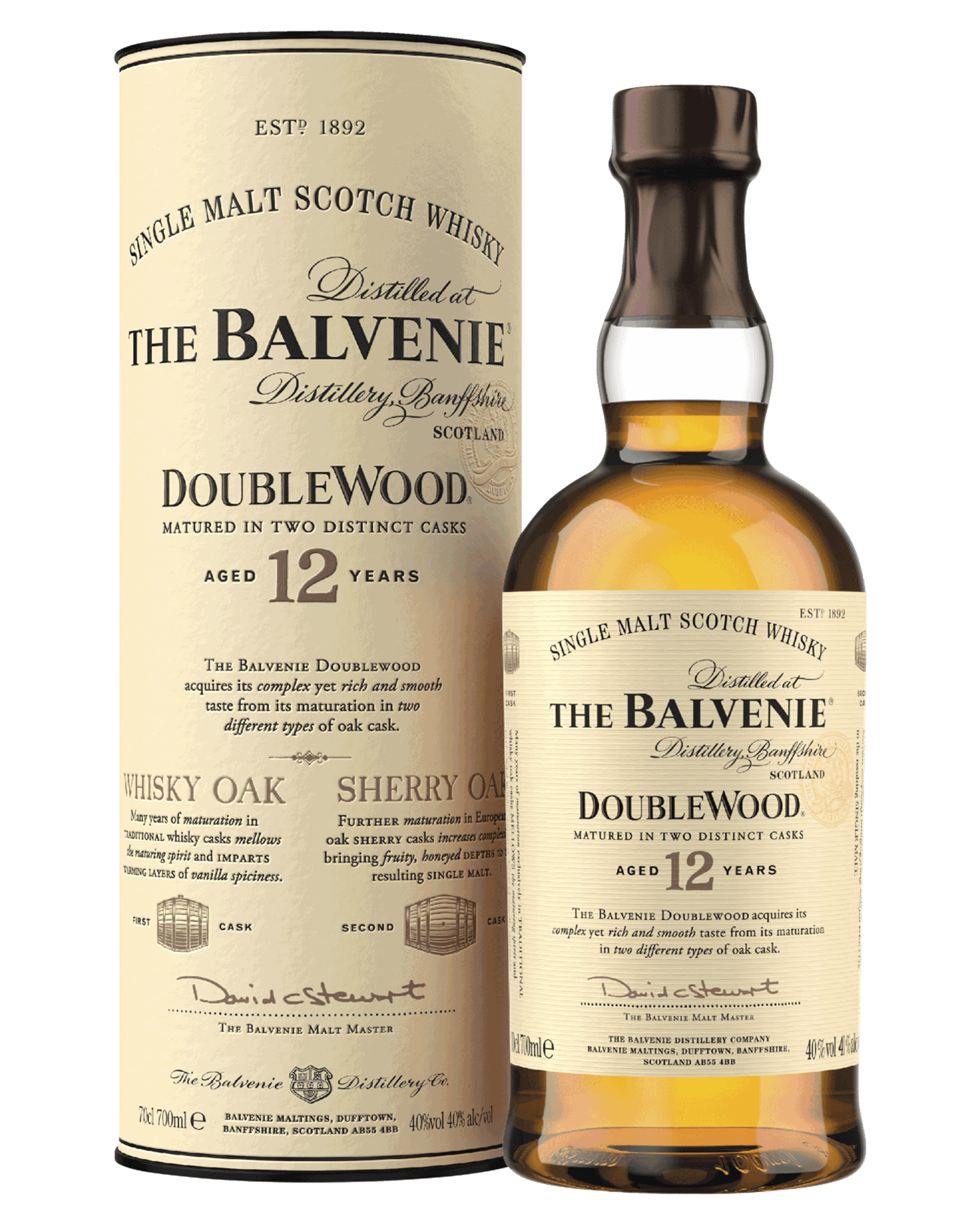
6. Balvenie Doublewood 12 Year Old Single Malt Scotch Whisky
Twice the wood, twice the flavour? It certainly seems that way with Balvenie’s Doublewood, which sees Balvenie single malt whisky spend time in both ex-bourbon and ex-oloroso sherry barrels for a best-of-both-worlds style. Bourbon brings a syrupy sweetness while sherry adds rich fruit flavours, making a complex but still easy-going Scotch whisky. For something a little special like this, we’d recommend serving it neat with nothing more than a few pieces of dark chocolate on the side to really let the whisky shine.
Click image to shop


%20(1)?$dans-daily-web-image$&hei=900)
?$dans-daily-web-image$&fmt=png-alpha&wid=800)