


Everything you need to know about this iconic Italian wine variety, which really can do it all.
Big call, but Chianti (kee-ahn-tee) has to be one of Italy’s greatest creations – up there with pizza, Renaissance art and Nutella (not necessarily in that order). This cracking red is far from the only great wine to roll out of this multi-talented nation, but, in our opinion, it’s one of the best. Made from the sangiovese grape, Chianti is the kind of wine you can serve to just about every red-wine drinker without complaint. That has a lot to do with this wine’s red fruit flavours, medium body, good acidity and firm tannins, as well as its herbal, spiced and savoury notes. These things also give it incredible range at the table – it’s a contender for being the ultimate dinner-party wine.
Newer to Italian wines? If you’re curious about the difference between Chianti and sangiovese, unsure why Hannibal Lecter was such a fan and chasing some top examples to try, read on.
A wine that’s labelled ‘Chianti’ must come from the official wine region of Chianti in Italy’s Tuscany and be made following specific conditions. While some Chianti wines are made from 100% sangiovese, regulations ensure this variety makes up the majority of these wines, with only certain permitted grapes used for the rest. These include shiraz, merlot and cabernet sauvignon, and the native Italians canaiolo and colorino, among others. Like all great blends, each variety brings something different to the mix, but the regulated ratios mean sangiovese does most of the talking in Chianti.
Without delving deep into the region’s various classifications, there are two key denominations of Chianti wines. Chianti Classico DOCG must be made from a minimum 80% sangiovese, and it follows strict ageing and blending regulations. These wines are renowned for being complex, structured and made for the cellar. Chianti DOCG is the other denomination, and these wines need to use at least 70% sangiovese grapes in the mix and come from a larger area in the region with rules that aren’t quite as strict. If you’re not big on details, just know that Chianti is renowned for being super approachable, food-friendly and molto tasty.
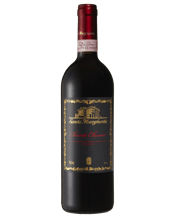
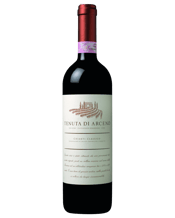
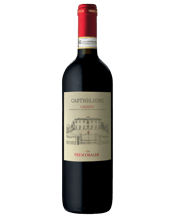
Keen to jump straight into Chianti Classico? We’re big fans of the Santa Margherita. With its wild berry flavours and unmissable spicy quality, it’s a pretty great intro to the style – at a pretty great price. You might like to compare it to the Tenuta Di Arceno Chianti Classico, which is a more powerful, concentrated expression. This one has darker fruit flavours and strong dried-herb notes, but it still comes with that trademark vibrant acidity. If you’re into softer wines with lighter fruit, head straight for the Frescobaldi Castiglioni Chianti for a very friendly style.
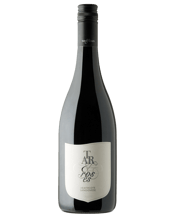
Among our Aussie standouts is the Tar & Roses Sangiovese, a full-flavoured and spicy Heathcote expression, where savoury cherry and herbal notes like dried thyme make their presence felt in the best kind of way. From further north in the King Valley, the Pizzini Nonna Gisella Sangiovese is an enticing style that mixes cherry and spiced plum flavours with hints of chocolate, leather and other savoury characters. Both of them prove just how well Australia is nailing this approachable food wine.



%20(1)?$dans-daily-web-image$&hei=900)
?$dans-daily-web-image$&fmt=png-alpha&wid=800)