


Sunscreen on grapes? It’s just one way our producers are tackling the challenges.
So many things can make or break a wine vintage, but weather surely tops the list. In some years, heavy rain might fall right when it’s not wanted, which can bring on a raft of challenges. In other years, some regions may not get any rain at all. Whether it’s excess heat and bushfires or unusually cool conditions and frost, there’s a whole spectrum of untimely weather that can ruin an entire year’s worth of fruit – sometimes in one afternoon. This is farming, after all.
When it comes to the changing climate, extreme weather events are hitting more often. This summer, we’ve already seen cyclones, floods, bushfires and heavy rain around the country, and it’s these extreme events that pose the biggest threats, including for our wine producers.
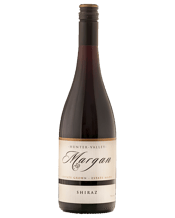
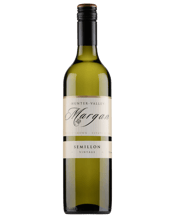
Andrew Margan of the Hunter Valley’s Margan Wines says that over the past five years alone, bushfires as well as floods have wreaked havoc on his site and the wider region. Prior to that, the Hunter Valley was in drought. “It’s about the extremes rather than any general trends,” Andrew says of the changes they’re seeing. “If you look at the past two years, we had very cool, very wet and unseasonal summers, so we didn’t start picking our semillon until February, and that’s never happened before in my memory,” he says. That’s after 35 vintages in the region, too.
As one of the warmer regions in Australia, the Hunter Valley is often first to kick off vintage, but like so many vine-growing areas around the country, they can get summer storms, high humidity, long sunshine hours and more. So, how do they combat it all? “We’ve been working with such extremes for so long, we’re ready for anything,” Andrew says. “It’s all about understanding the weather you’re working in and learning to be very flexible. We farm for the worst-case scenario, so we’re capable of managing it up here.”
One of their most effective tools right now is sunscreen for the graes and vines. “In a year like this one, with a warm, dry ripening period, we’re using a lot of sunscreen,” Andrew says. “It’s a great tool to protect the vines from the heat and the grape skins from sunburn. The Hunter adopted it very early, and if you go through the vineyards when it’s been applied, it all looks pretty white.” The organic product is sprayed on the fruit and leaves, which helps to reduce fruit damage from sunburn, reflect heat off the vines for longer periods, and ensure optimum ripening in the process.
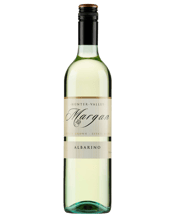
At Margan, they also grow climate-appropriate varieties alongside the region’s traditional flagships such as shiraz, semillon and chardonnay. Their popular alternative styles include albarino, barbera and tempranillo, with some of these vines dating back to the 1990s. As Andrew says, they are high-acid styles with clear varietal definition that suit their maritime climate. “The Hunter is a difficult place to grow grapes, so you’ve got to be good at it in the first place, which is what makes us agile,” he says.
In the cooler regions around Australia, some producers have installed frost fans in their vineyards to prevent the grapes from freezing, which can damage them beyond use. Other climatic pressures are pushing producers to make all aspects of their business more sustainable, from using less water and fewer chemicals in the vines to harnessing solar power in the winery and reducing their overall carbon footprint. Meanwhile, new wine producers are settling in areas with an as-yet unexplored potential, such as Victoria's Gippsland and Swan Valley in Western Australia, to name just two, which could see a swag of exciting new styles and star regions still to come.
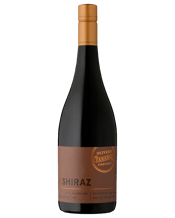
In South Australia’s McLaren Vale, Corrina Wright of Oliver’s Taranga agrees the increase in extreme weather events is their biggest concern when it comes to the climate. “We can get crazy frosts, random hail events and even whirlwinds! We had one of those last year and lost a couple of giant 60-year-old trees – it knocked them over,” she says. The winemaker and sixth-generation grower says that’s something they’d never seen before on their property.
Oliver’s Taranga also grows a number of alternative grape varieties to suit the climate. “We didn’t really have a white here as our vineyard was a bit more red-heavy, so we introduced grapes like fiano and vermentino,” Corrina says. “These are varieties that can maintain their natural acidity and are tolerant to drought and heat. Moving to more climate-appropriate grapes was a real driver for us, but we also asked ourselves why we all had the same grapes.” Fiano has since become one of their major sellers. “I could sell four times as much fiano – I can’t keep up with it!” Corrina says.
Technological developments are also driving new tools for producers, including the ability to monitor soil moistures across vineyards and activate irrigation as needed from a smartphone. Plus, more wineries are becoming certified members of Sustainable Winegrowing Australia, which Corrina says is about focusing on the business holistically. “Being sustainable is not just about being organic,” she says. “We’re sixth generation and we want to be around for another six generations, so we’re all about the long-term focus.”




%20(1)?$dans-daily-web-image$&hei=900)
?$dans-daily-web-image$&fmt=png-alpha&wid=800)