


If real estate, fine art or squirrelling away cash under the mattress don’t do it for you, maybe it’s time to invest in wine. Langton’s legend Michael Anderson gives us his tips.
Usually when someone talks about investing you think of property, Wall Street, or even precious art. Or perhaps you just fall asleep. But did you know that many look to fine wine as a place to invest their hard-earned cash, and successfully at that? It's true! And it turns out, if you have the right kind of (wine) buyer you could be making a bit of dosh in the process, that is, if you’re willing to put down a few dollars first.
Unlike other investment markets, the bulls and bears of wine don't necessarily follow traditional economic factors. During the must-not-be-named pandemic or the 2008 financial crisis, fine wine’s value continued to rise. And despite its high initial investment ($15,000 to $25,000 to build a solid portfolio of fine wines, according to Forbes), you might be able to expect a nice return. The Liv-ex Fine Wine 100 (the London International Vintners Exchange) has risen by 270.7% from July 2001 to July 2021.
Like all investing, hedging your bets on wine should be done carefully – it’s certainly no get-rich-quick scheme and takes careful research, planning and (duh) proper financial advice. But we were keen to find out more, so we sat down with Michael Anderson, Fine Wine Secondary Market Manager and Buyer for Langtons to chat about the wine market, how it works and what wines you should be looking for if you’re thinking of giving wine investing a red-hot go.
“Like any investment, fine wine can be a great choice, so long as you know where to look and who to buy from,” Michael explains. “Buying the rarest wines often means buying wines that are made in small quantities and wines that will last longer (and often improve) in the bottle.”
Of course, the “rarest wines” don’t come cheap, and a long-term investment relies on you not drinking it before that return comes in. “Every time you invest in a fine wine, each year you hold that wine there will likely be less of that wine as other collectors drink their investments,” says Michael. “Wine is like art. There is a finite amount of each product so there can be no reissuing of new wines from that vintage. It's important that if you are going to look into wine investment that you store the wine correctly and watch the wine market closely. Things can change quickly.”
“Wine's market performance is driven by everything from economic factors such as inflation, interest rates and cost of living, to more micro factors like the wine's rarity or the quality of the vintage in which it was produced,” says Michael. In short, it pays to know your product.
But even with that in mind, there’s always a certain amount of luck (good or bad) involved, too. “If you buy a wine from a top Domaine in Burgundy and that Domaine then folds, or the winemaker moves on or passes away, you might be sitting on a goldmine of vinous value. Similarly, if you buy a wine without much research, that wine's performance might be hindered by a string of bad scores from critics.”

“Classically we see the most investment in fine wine from Asian markets as they discover new styles and varieties. The Chinese market is so large and affluent that they have the ability to drive the price of wine through the roof,” Michael explains. “We saw this with the Chinese influence on Bordeaux prices around 2010 to 2015, and we are seeing it again now with the finest wines of Burgundy.”
So why do we think that is? Michael has a few theories – “The reasons for China's thirst for these wines are multifaceted. Naturally, there is an interest in alcohol and spirits as a show of wealth and prestige. Owning the finest wines in the world, regardless of the level of enjoyment said owner extracts from the wine, has always been a big driving force in China. Furthermore, the opening of the country in the late 1970s gave rise to nearly 800 million people being lifted from poverty, many of whom brought with them a thirst for knowledge and willingness to learn from and travel the outside world. Upon travelling they found and loved things like art and wine and now had the propensity to buy them.”
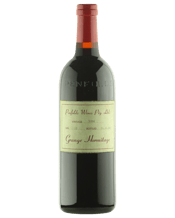
Michael has a promising answer for would-be investors – “In essence, there is no limit. The older the wine, the rarer the piece. Take the 1951 Bin 1 Grange for example. With only a handful of these wines left in the world, every single bottle now looks different. Some have the winemaker's signature, some are wax dipped, and some are in better condition than others.”
For those lucky enough to have not only copped a bottle of Bin 1 Grange, but left it unopened and perfectly cellared, that could mean a pretty penny. “If you have a perfect bottle you are looking at around $150,000 at auction for a wine that would have cost little more than a few dollars on release, if you had to pay at all. If you look at the numbers on average, each year that you hold a Bin 1 Shiraz you will make anywhere between $6,000 and $8,000. Most recently in 2021, we sold a bottle of Domaine d’Auvenay Criots-Batard-Montrachet 2006 from one of Burgundy's finest Domaines for $18,001, excluding buyers' premium. The same wine sold less than 18 months before for $6,101.”
While this certainly gives investing in wine some lucrative appeal, picking the right bottle is no sure thing. After all, there’s a reason that highly trained experts like Michael exist. But if you wanted to give it a go, here’s his tips:
“Look for wineries and wines that are well-established in the market. Buy wines that are made in limited quantities or those that hail from top vintages. There is a whole area of the market that caters to people new to the investment scene. Be wary. Buy from reputable auction houses and wine businesses. Always ask for the wine's provenance. Ensure that if you are going to invest in wine you have the right tools for the job, including a good running document of what you have and where it's stored, a good wine fridge or storage solution, and most of all be sure to stay well away when you have friends over and go rummaging for a bottle in the dark.”
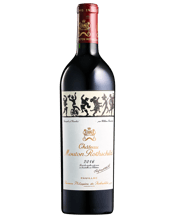
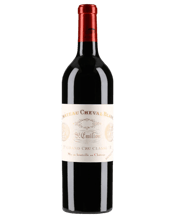
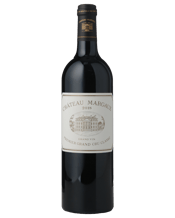
“Dan's have done a wonderful job of filling their stores with top wines from Domaine de la Romanee Conti, FirstGrowth Bordeaux and Grands Marques Champagnes,” says Michael. If you’re wondering, these are all types or classifications of wines, rather than specific brands or bottles – but they’re a great place to start your search.
He continues, “All of these wines should increase in value to some extent. Burgundies will increase sooner and with greater return simply because they are made in small quantities compared to that of Bordeaux's top wines. Champagne has seen a serious uptick in return on investment given how hard they have become to get in Australia.”
There we have it friends, a comprehensive insight into the wonderful world of fine wine. If this article has piqued your interest, we suggest having a squiz at Dan’s fine wine portfolio and keeping a keen eye on wine news, value and trends.
Cheers and happy hunting!




%20(1)?$dans-daily-web-image$&hei=900)
?$dans-daily-web-image$&fmt=png-alpha&wid=800)