?$dans-daily-web-image$&wid=1400)
Not big on bubbles? This guide to different types of fizz might just change your mind.
Not being into sparkling wine is a bit like not loving cake. Try to refuse a piece of chocolate mud or a glass of bubbles when they’re passed around and you’re likely to get the same confused response. Many people just don’t understand how someone wouldn’t want either of these things, but they’re not always universally loved. While you obviously don’t have to like sparkling wine, before you go ruling out bubbles forever, it could be worth considering the different styles because there might still be one out there for you.
With so many types of fizz to choose from, it doesn’t matter if you can’t learn to love Champagne – just think of all the money you’ll save. And if you’re not into sweeter styles of bubbles, there are loads of refreshingly dry wines to enjoy instead. So, to help you find the right sparkling wine for you, we’ve pulled together some ideas below, just in time for the pointy end of the year when bubbles tend to turn up at every event.
Maybe you’ve always found sparkling wine too high in acidity. Or perhaps you think it’s too drying, leaving you with an almost puckered mouth. Or maybe you just really dig big, fruity wines and never seem to find those flavours in sparklings. If any of that sounds familiar, chances are you need to venture to the sweeter end of the spectrum.
There’s a sliding scale of sweetness in sparkling wines, particularly those made in the traditional method. You definitely want to avoid any Champagne or French sparkling with the words Brut Zero, Brut and Extra Brut on the bottles – these are the driest. Instead, look for Extra Dry (no, really – it’s a confusing system) and Sec because these have good medium sugar levels to explore. For anyone who loves an unashamedly sweet wine, seek out Demi Sec on the label.
Beyond traditional sparklings, you could do well to try the increasing range of sparkling moscatos rolling out. Fun, naturally lower in alcohol (they sit at around 8%) and now with other fruit flavours added to the mix, these bright, affordable spritzy drinks might just hit the bullseye on your preferred flavours.
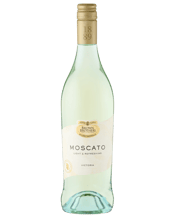
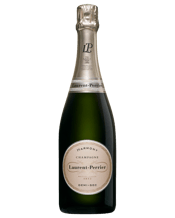
Wines to try: Brown Brothers Moscato or Laurent-Perrier Harmony Demi-Sec Champagne.
If you think a lot of sparkling wine is too sweet, you obviously need to stick to the drier end of the scale. Just as we suggested above, when it comes to traditional sparkling wines, look for Brut, Extra Brut or even Brut Zero on the label for the driest styles. These wines have less dosage – the liquid sugar that gets added to each bottle at the end of the traditional method process – and this creates super crisp, dry drops.
For another option that might be your slam dunk, look to blanc de blancs. These wines are made solely with white wine – most commonly chardonnay – and tend to be pure and dry, with hints of crunchy green apple flavours. It’s not all just about fancy Champagne either (although there are exceptional French examples), with plenty of Aussie makers turning out these styles, too.
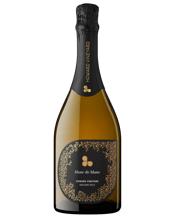
Wines to try: Howard Vineyard Blanc de Blancs or House of Arras A by Arras Premium Cuvee.
Toasty? Wine people might describe this as tasting like brioche, and they will probably go into raptures about it, too. Others might call it bready, or even yeasty. Whatever the case, this can show up as a toasty note and it may not be your thing. While this character mostly shows in aged or more developed sparklings or Champagnes that have spent a longer time in contact with their lees – the dead yeast cells that form during a sparkling wine’s production – it’s not always just older wines that have it.
To avoid this element completely, start by side-stepping anything made in the traditional method. This should lead you straight to the fresh and accessible world of prosecco. Made in a different way to traditional sparklings (often in stainless steel tanks to retain their freshness), most prosecco is all about lifted, vibrant, crisp-fruited flavours, which should tick all of your not-bready boxes. Even better is the fact these styles have friendlier prices than the best traditional sparklings, but you’re still getting immense quality.
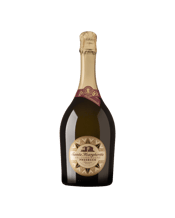
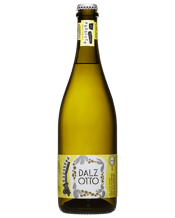
Wines to try: Santa Margherita Prosecco Di Valdobbdiadene from Italy, or Dal Zotto Pucino Prosecco from Australia.
If you don’t love white wine, it’s always going to be a stretch to love a glass of traditional bubbles. So, what to do? Shop by colour, is our advice. The best sparkling rosés are a beautiful salmon or blush, with subtle berry notes that create a different flavour and mouthfeel to other styles. There are loads to choose from, whether you’re after a local wine or one from further afield, and, if you ask us, these can be some of the prettiest styles of the lot – in both appearance and characters.
But if proper big wines are more your jam, we have good news – Australia makes some cracking sparkling reds. Sparkling shiraz and variations on the theme are just begging to be served chilled alongside everything from chops on the barbie and a festive feast to Chinese takeaway (put it with duck and dumplings, and thank us later). Hitting that balance between rounded and fruit-sweet but fizzy with a dry finish, sparkling red wines over-deliver.
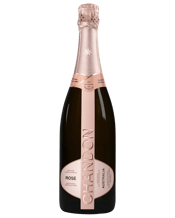
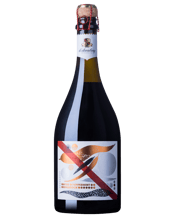
Wines to try: Chandon Brut Rosé or d’Arenberg The Peppermint Paddock Sparkling Red
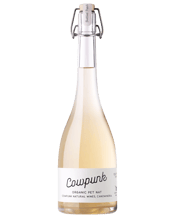
We get it – Champagne and sparkling can seem a bit fancy-pants. Sometimes you just want a drink for clinking glasses, talking over and not having to think about too much. The ultimate easy-going pick here is pet nat. Made in a kaleidoscope of colours and a range of bright flavours, pet nat can be made from just about every grape variety there is and suits pretty much every occasion.
This naturally sparkling wine has become huge in recent years. You can expect flavours like grapefruit, lemon and other citrus fruits, and some can also show a funky character that’s almost like a sour ale or even a little kombucha-ish. If that only makes you more intrigued, pet nat is absolutely for you.
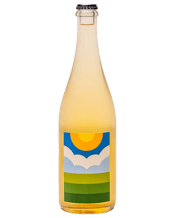
Wines to try: Range Life Pet Nat Chardonnay or Cowpunk Natural Pet Nat.