


Here’s everything you need to know about vermouth (so you can become as obsessed as we are).

What kind of vermouths are there?
Vermouth comes in a lot of shapes and sizes, but when you whittle it down there’s three key styles of vermouth to know.
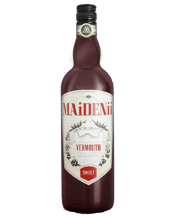
Sweet (AKA red or rosso) vermouth is the most common – you’ll find it in cocktail recipes like the Manhattan and Negroni. It’s richer and sweeter than other styles, and gets its colour from caramelised sugar. Dry vermouth, on the other hand, looks clear in the bottle and is most commonly used in Martinis. Again, the term ‘dry’ means lacking in sweetness, and these types of vermouth usually are bone dry. They tend to be more savoury and herbal in flavour.
Lastly, don’t confuse dry vermouth with bianco (or blanc) vermouth, which is also clear (or sometimes gently golden), but tastes sweeter. These lie somewhere in between the other two styles, and can range in sweetness from one brand to another. Depending on the bottle, you’ll find notes spanning floral, herbal flavours through to richer notes of baking spices and vanilla.

Click image to shop
Sitting somewhere between a wine and a spirit in terms of flavour, structure and alcohol content, vermouth makes for some of the most versatile yet complex drinks in the beverage world.
A great starting spot for figuring out what vermouth is all about is a healthy glug of Carpano Antica Formula served over ice with a slice of orange. Preferably with some salty snacks like Sicilian olives and anchovies, sunshine, and good company. The flavours will make you feel like you’re on a sun-soaked European holiday. Perfectly rich and bittersweet, and dating back to 1786, Carpano Antica Formula remains one of the oldest and most revered vermouths, still crafted with the same time-honoured recipe. And if you find the flavours too intense, a splash of soda is all it takes to bring balance and harmony to your glass.

Click image to shop
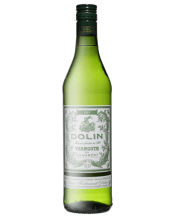
Dolin Dry Vermouth is the staple vermouth. Light, fresh, and citrusy, it’s a vermouth that shows a good bit of restraint and subtlety. Delicious in a Martini, but also delightful as an aperitif over ice before dinner. In fact, when you’re hosting your next dinner party, offering your guests a little Dolin on ice will up your hosting game by a mile. A pro tip: this vermouth will be your new best friend when making a jus for a roast chook. Trust me.
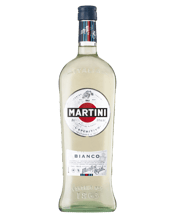
Alternatively, try something like the Martini Bianco Vermouth – a drop that’s been around since 1910. It’s flavoured with natural herbs and vegetables grown in the Alps, before being sweetened with beet sugar. The result is a lighter style of vermouth that has just a little honeyed sweetness to balance out the bitterness from the herbs.









%20(1)?$dans-daily-web-image$&hei=900)
?$dans-daily-web-image$&fmt=png-alpha&wid=800)