


What to expect from the world’s best-selling spirit, and why you need more Korean barbecue in your life.
What to expect from the world’s best-selling spirit, and why you need more Korean barbecue in your life.
There’s no dining experience quite like Korean barbecue. The smoky aromas, the sizzle of meat on the grill, the inevitable chorus of “Is it ready yet?” – it's about as close as you can get to a night out in Seoul. And no Korean barbecue feast is complete without soju. Made for sharing, this drink has become just as popular as the barbecue experience.
But what is soju? What does it taste like? And how do you serve it? Well, if you’ve been looking for a sign to explore this Korean spirit, now is the time because we have the full scoop.

Soju is a clear, distilled spirit from Korea that’s quietly become a global phenomenon. In fact, it’s the world’s best-selling spirit, with Jinro leading the charge as the world’s biggest soju brand. Think of soju as vodka’s lighter, sweeter cousin twice removed. Both are neutral spirits with a clean flavour profile, but soju typically comes in at a lower ABV, making it smoother, softer and without the same fiery kick you might expect from a traditional vodka.
Soju has been around for more than 700 years, beginning in the 13th century during Korea’s Goryeo Kingdom. When Mongol invaders brought Persian distillation techniques to Korea, local producers adapted the process, using rice to create an early version of the spirit we know today.
More recently, during the Korean War in the early 1950s, rice became too valuable to use for soju production due to widespread food shortages. Producers turned to alternative starches like tapioca, sweet potato and wheat instead – a practice that still shapes the majority of modern soju today.
While most soju is produced using these alternative ingredients, traditional rice-based soju has made a comeback since the ban was lifted in 1999. These small-batch, rice-made expressions are often considered some of the more premium examples of Korea’s iconic spirit.
Soju is made right across Korea, with many regions having their own local favourites and flavours. Traditional soju is made by fermenting rice, while other styles might use another type of starch, and this is mixed with water and the Korean fermentation starter, nuruk. The starch is converted into sugar, which becomes alcohol via the fermentation process. It is then distilled to separate the alcohol from the solids and water, and depending on the distillery and style of soju, other sweeteners, flavours or additives may be introduced.
Korea remains the home of soju, but this spirit is now made in various other countries, such as China, the US and even here in Australia, as you’ll see in the styles to try below.
Traditionally, soju is enjoyed neat, served either slightly chilled or at room temperature. It’s also commonly mixed with beer in a favourite Korean combo known as somaek. Think of it as a boilermaker, only blended together rather than served separately.
Soju is an incredibly versatile cocktail ingredient. Its clean, neutral profile makes it an easy substitute for vodka in classics like a Martini or Moscow Mule, while its lower ABV offers a lighter twist on drinks like the Espresso Martini. Feeling adventurous? Have a go at the umami-packed, gochujang bombshell Summer in Seoul. Fruit-flavoured sojus open up even more possibilities, pairing beautifully with citrus, soda and sparkling wine. Or keep things simple with a splash of tonic, used in a refreshing Spritz, or shake up the fruity, sweet Soju Garden.
Beyond how it’s served, soju is all about the ritual. Like other traditional spirits such as shōchū, sake and vodka, there are customs around how it’s poured, shared and enjoyed. For example you must never pour your own drink – it should be poured for you by an older member of the group. Receive it with two hands, and turn your head when you drink it. Traditionally the first round of soju poured is downed in one, while the next are sipped. If you are the one pouring, the glasses should never be left empty. And lastly, soju is a communal drink, which means it must be sipped with friends and family.
Click image to shop
Five soju to try
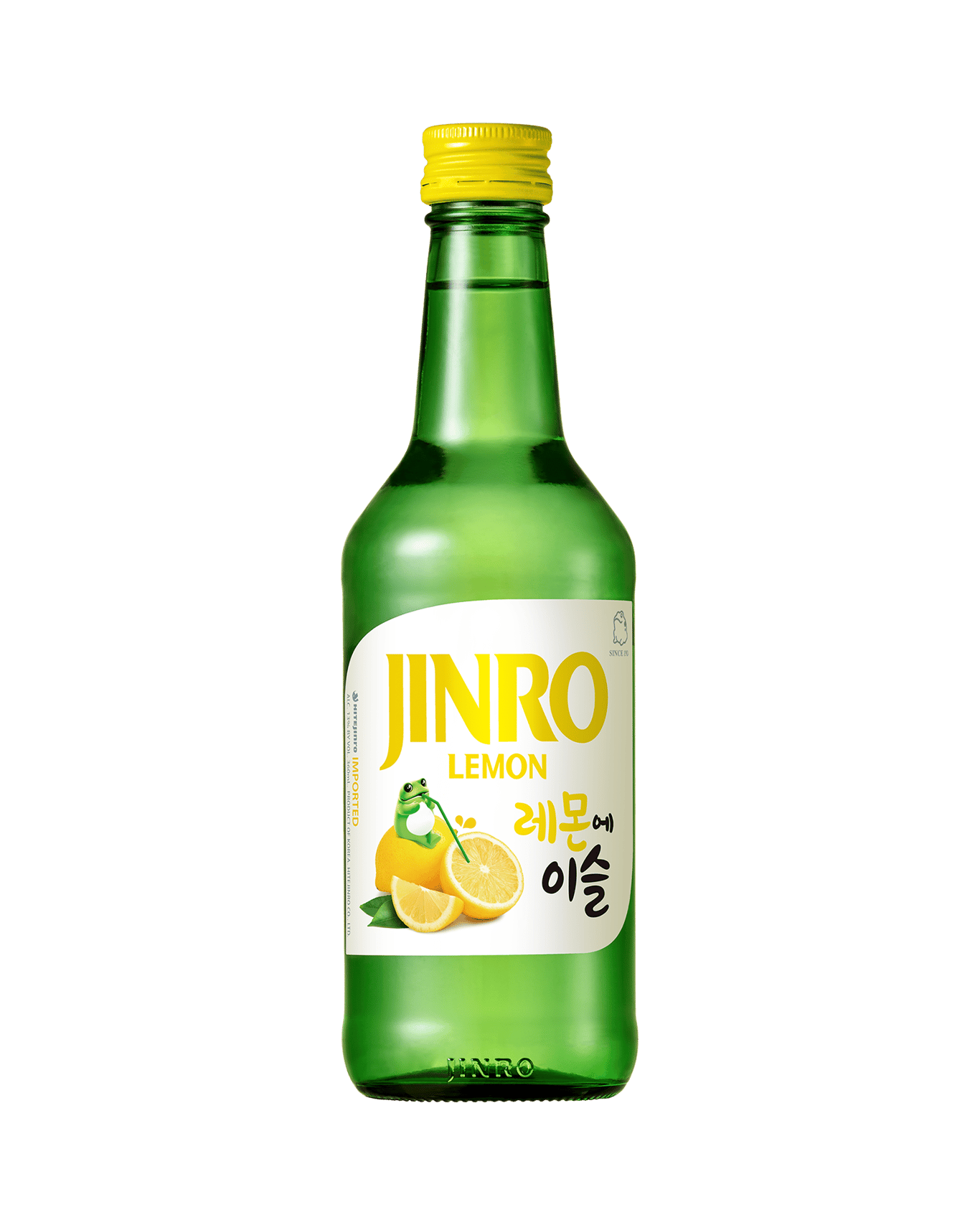
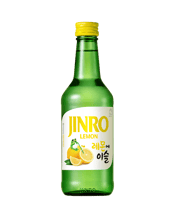
1. Jinro Lemon Soju
We might as well start with the most popular soju in the world, Jinro. This is their lemon soju, which is bright and tangy with a balanced sweetness that is never too much.
Click image to shop
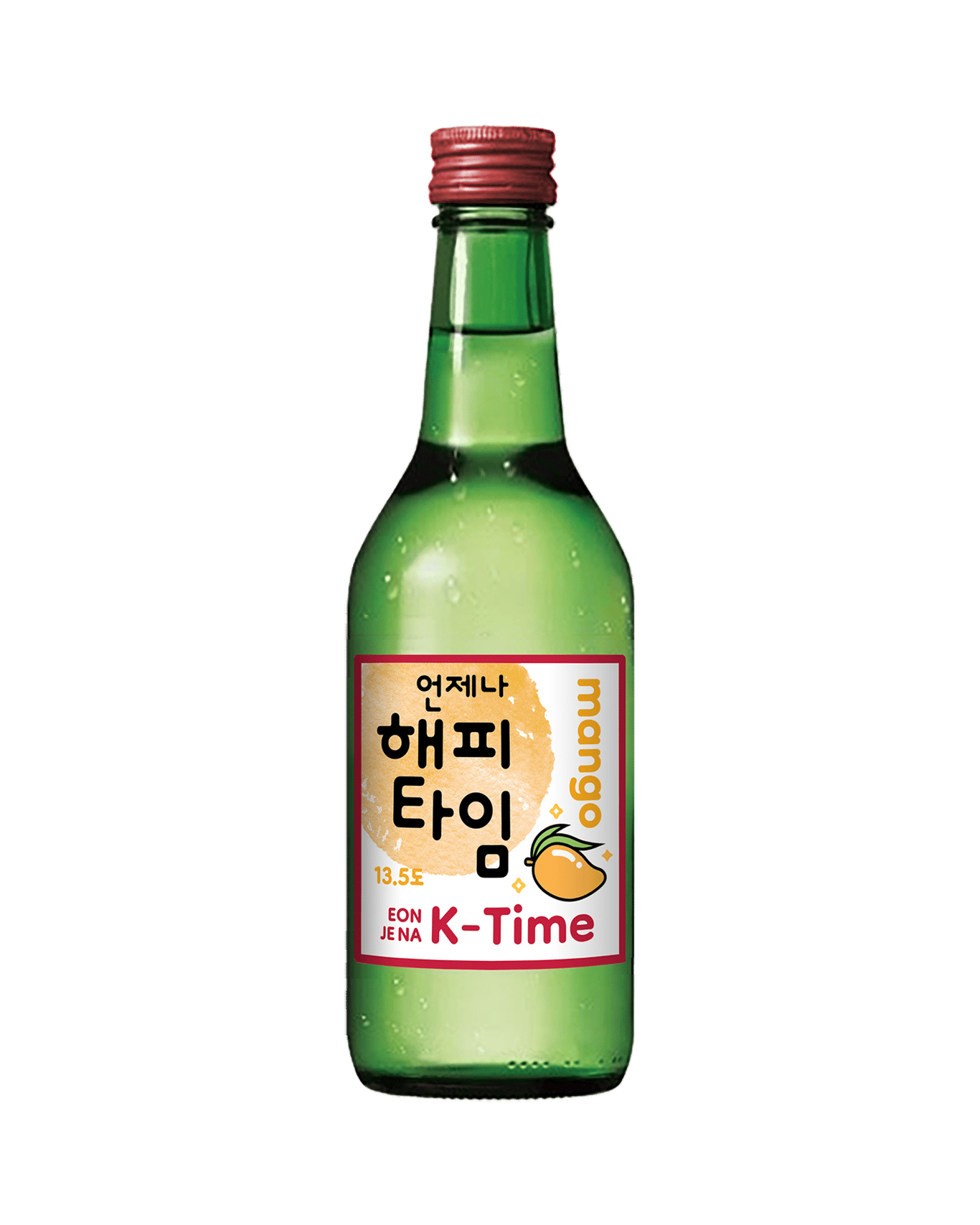
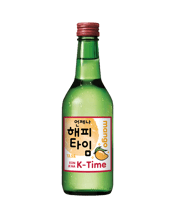
3. K-Time Mango Soju 360mL
Who doesn’t like mango? It’s delightful. Sweet, juicy and packed with tropical flavour, K-Time Mango Soju delivers just the right balance of ripe mango sweetness and clean spirit character, making it an ideal pick for anyone new to soju.
Click image to shop
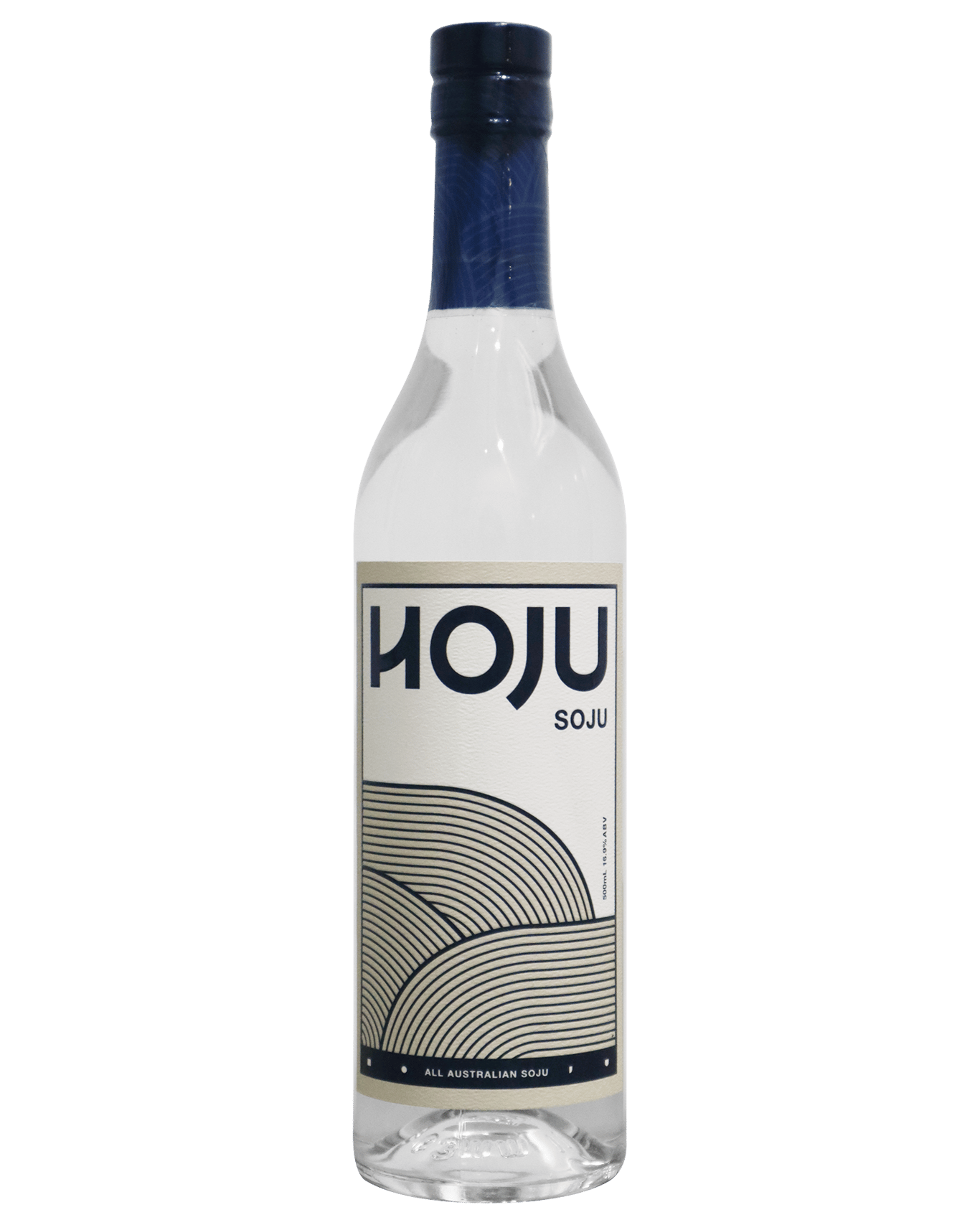
5. Hoju Soju
A traditional soju, but made in Australia? Get out of town. True to its name, Hoju – Korean for ‘Australia’ – is a locally made soju that pays tribute to the spirit’s Korean heritage. Smooth, refined and delicately balanced, it offers a lighter style that’s easy to sip and a great introduction to premium soju.



%20(1)?$dans-daily-web-image$&hei=900)
?$dans-daily-web-image$&fmt=png-alpha&wid=800)