


Consider this your essential intro to these diverse and often misunderstood spirits.
Think soju and shōchū are same-same? Think again. From their respective origins in Korea and Japan, these delicious drinks are big players in the rise of Asian spirits Australia-wide – something we’re super psyched about here in the Dan’s Daily office.
If you haven’t made their acquaintance just yet, we’ll forgive you for conflating the two (just this once!). And though soju and shōchū share some obvious similarities, their differences go well beyond state lines. Aside from their divergent bill of ingredients and distillation processes, both spirits boast unique histories and come with specific cultural etiquettes, so it pays to know the difference.
To help dispel some of the misconceptions that surround these increasingly popular spirits, we put together this handy explainer. Read on to get the lowdown.
The first and most common misconception about soju and shōchū is that they are just different names for the same drink. Both spirits do get their name from the same Chinese word for burnt liquor – shiaojiu – so we’ll mark that one down as a fair, albeit misleading, similarity.
Secondly, both spirits were initially made by distilling some version of rice wine to produce a clean, clear spirit with lower alcohol content (typically below 30%) than their Western counterparts. For these reasons, both often are misclassified as wine. Conveniently enough, this classification means that restaurants can typically sell them under their easier-to-come-by beer and wine licence.
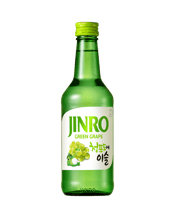
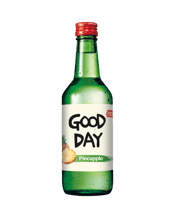
Put simply; soju is a clear, neutral-flavoured spirit from Korea. And, as a good bit of pub trivia, it’s the most popular spirit in the world, with brands Jinro, Chum Churum and Good Day accounting for three of the top 10 spirit brands globally. So, if you haven’t tried it yet, you’re trailing the pack.
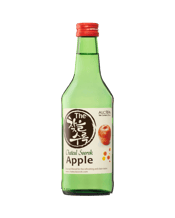
Drawing comparisons to vodka for its clean flavour profile and delicate natural sweetness, straight soju is preferred by purists. Still, demand for new fruit-flavoured and sparkling varieties is on the up. Representing a huge chunk of the export market, expect to find flavours like citron and grapefruit at your local bottleshop.
Soju first appeared in the 13th century when invading Mongol forces introduced the then-Goryeo Kingdom to distillation. Whilst the Mongols distilled fermented fruit to make arak (a trick they picked up from the Persians), the local population applied the technique to fermented rice wine, and that’s how soju was born.
As a rule of thumb, fermented rice wine is distilled multiple times to produce a super high-alc spirit, then watered down to soften the bite and tease out its natural flavours. For centuries, this is how all soju was made. That all changed in the 1960s when the government banned rice-based soju to combat food shortages caused by the Korean War. This prompted producers to turn to grains like sweet potato and tapioca, which account for most of the soju you see on shelves today.
Since the ban was lifted in 1999, several producers in the Andong region have resumed production of traditional rice-based soju, cultivating a reputation for hand-crafted, more premium offerings.
Soju is best enjoyed short, neat and chilled. Commonly served over dinner, etiquette dictates that your first drink should be taken as a shot, with the following helpings sipped slowly. It’s customary in Korean culture to serve others first, but never yourself. Pour with one hand, receive with two, and don’t forget: NEVER pour for yourself!
If you’re looking for a cocktail fix, citrus flavours are your best bet (try this Soju Garden cocktail recipe), but beer and soju a la Boilermaker is a popular go-to in Korea. It’s called somaek and it’s literally just a shot glass of soju dropped into a beer. Our tip? Go with Cass or Platimum white ale for the real deal.
Shōchū comes in a dazzling array of styles and flavours, but can be split into two main branches – singly distilled and multiply distilled. Moromitori shōhū is the most common of the singly distilled variety and is required by law to contain koji – a naturally occurring mould. This miracle mould (also used to make soy sauce!) is cultivated with the primary ingredient during a two-step fermentation process, then distilled once for a maximum ABV of 45%.
Multiply distilled shōchū, on the other hand, doesn’t contain koji and is diluted with water post-distillation for a maximum ABV of 36%. These are typically less expressive than their singly distilled counterparts and are usually blended or used as a base for Japanese liqueurs like chūai and umeshu.
Before bottling, shōchū needs to be matured. Most varieties are matured for between one and three months, but some producers will age their shōchū up to 10 years and beyond. The longer the maturation process, the softer the taste. In Okinawa, this long-maturation style is legally referred to as awamori and must include a specific strain of black kōji indigenous to the island.
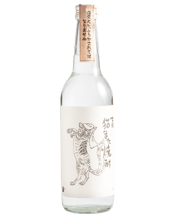
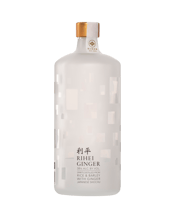
Shōchū, like soju, is a clear and relatively neutral-flavoured spirit from Japan. It’s traditionally made with rice, but ingredients like barley, potato or brown sugar are also used. Not to be confused with sake, which is brewed like beer, shōchū is quite dry with nutty, almost earthy notes.
The origins of shōchū aren’t obvious, but the earliest reference to it dates back to 1559 when two carpenters left some rather amusing graffiti on the Kōriyama Hachiman shrine in the city of Ōkuchi. “The high priest was so stingy he never once gave us shōchū to drink. What a nuisance!” Let that be a lesson to you: shōchū is best when shared!
Although shōchū’s global popularity pales compared to its Korean cousin, it remains hugely popular in Japan, where you can even get it straight from a vending machine.
Thanks to its neutral flavour, shōchū is versatile, and mixing yours with juice, soda, or anything else that tickles your fancy is perfectly fine. Straight over ice is always an option, too. And although there are no hard-and-fast rules, certain varieties are best enjoyed in their own unique way.
For most singly distilled shōchū, straight up with a water chaser is recommended. Sort of like a good single malt whisky, this is the best way to dial down the bite and emphasise those delicate terroir flavours and fruity koji notes. For aged shōchū, like awamori, you might try cutting it with chilled or warm water depending on the season.





%20(1)?$dans-daily-web-image$&hei=900)
?$dans-daily-web-image$&fmt=png-alpha&wid=800)