Kanpai and geonbae! It’s your 2022 guide to sake, soju, shōchū and beyond.
Japanese and Korean drinks are having a moment. Granted, it’s a long moment. Spirits like sake, soju and shōchū are deeply embedded in their respective cultures and rooted in ancient production methods. The traditional styles have been around for centuries, but new players are innovating on the classics and there are several that have us excited in a BIG way.
One sip of a premium sake cup, ultra-fresh mandarin soju, or shōchū highball and you’ll understand why. These versatile drinks have a unique umami flavour, can be made from a range of vegetables and grains (most are vegan), have a lower ABV compared to many other spirits (between 15–30% on average), and can be enjoyed on the rocks or with your favourite mixer.
Get on the bandwagon with our favourite new Japanese and Korean drinks, listed for your pleasure below.

Click image to shop
1. The super-premium sake
People often refer to Japanese sake as ‘rice wine’, but really it should be called rice beer. Sake has more in common with beer than any other alcoholic beverage. Like beer, it’s made with steeped grain and is brewed and fermented with yeast. And, again, like beer, it comes in a wildly diverse range of styles and flavours: from dry to sweet, fragrant to complex.
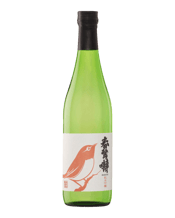
If you haven’t had your socks knocked off by sake before, it’s time to get in the game. Shunnoten Junmai Ginjo is next level. ‘Junmai Ginjo’ is the term reserved for premium sake made using only the simplest ingredients of rice, water, yeast and koji, with a labour-intensive rice polishing process that removes at least 40% of the outer surface of the grain. Why does this matter? Basically, the more the rice is polished, the cleaner and lighter-bodied the resulting sake tends to be. This is a perfect example. Serve chilled to preserve the sweet, sour and plummy taste of this beauty.
2. The easy-drinking sake cup

Click image to shop

Click image to shop
3. The unofficial national drink of Korea
Colourless, sweet and insanely popular, soju’s origins date back to the 14th-century kingdom of Goryeo, where its distillation process was borrowed from the Persians and applied to fermented grains. It just so happens to be the best-selling liquor in the world (by volume) and it’s gained huge traction in Australia in recent years. It can be made from a range of ingredients (barley, sugar, sweet potato, tapioca – to name but a few), but it’s the added flavours that have really seen it take off on this side of the world.
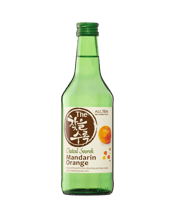
Korean brand Chateul Soorok makes an excellent range of authentic fruit sojus – brewed from apple wine, distilled spirit and natural spring water – that we’re unbelievably excited to see on Aussie shelves. They use a natural bamboo charcoal purification process that results in a light, crisp and super approachable drink. But the best thing is their epic range of flavours. There’s 10 of them (including ginger, lychee and blueberry), but our pick is the Mandarin-Orange – a zesty ode to the citrus fruit in all its sweet, balanced soju glory. Drink it chilled as is, or add to cocktails for something spesh.
4. The crowd-pleasing spicy shōchū
Shōchū is Japan’s worst-kept secret – it’s been wildly popular around the world for years. It originated at least 500 years ago and its distilling process is similar to that of whisky or gin. Shōchū is typically made from rice, barley, sweet potatoes, or brown sugar – its final flavour varying greatly based on which starch is used, but generally earthy and savoury. It can be served straight, on the rocks, mixed with soda in a highball glass, or as the base ingredient in a cocktail.
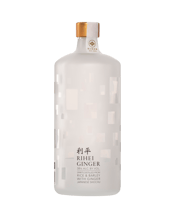
A single-distilled number is the best way to go if you want to enjoy the purest, freshest flavours, and we recommend the Rihei Ginger Single Distilled Shochu. Brewed by Ochiai, an award-winning, family-run distillery from Japan’s Miyazaki prefecture, this ‘honkaku’ (meaning ‘genuine’ or ‘single-distilled’) shōchū uses 20% heirloom ginger to create a drop that’s dry, spicy and totally unique. An artisanal spirit unlike anything else on the market, it’s undoubtedly a different animal than most shōchūs, and if you’re a fan of ginger-based drinks, it’s a must-try.

Click image to shop

Click image to shop
5. The canned shōchū highball
If you’ve been to Japan, you may have noticed some canned drinks labelled ‘Chu-Hi’ – this is an abbreviation for ‘shochu highball’. The brand Takara pioneered the shōchū canned drink concept nearly 40 years ago and still leads the market when it comes to ready-made cocktails of shōchū and fruit juice.
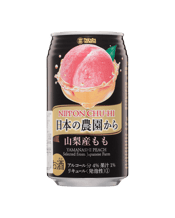
The Takara Chu-Hi drinks range takes 11 varieties of premium barrel-aged shōchū and combines them with fresh fruit from different prefectures all over Japan. It comes in a bunch of flavours – all delish – but our hot pick is the Chu Hi Peach: a sweet and sparkling tipple that sits at 4% ABV, made with plumpy, juicy peaches from the Yamanashi prefecture. It’s super refreshing on a hot day and well-suited to izakaya-style snacks and ramen. Serve cold and garnished with slices of fresh peach for bonus points.


Click image to shop
7. The ultimate yuzu aperitif
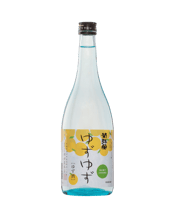
Yuzu is absolutely everywhere, but we’re not mad about it. This Japanese citrus fruit is worth all the fuss. For a clear understanding of why people are loving its distinctively fresh flavours so much right now, you need to try the Kikuyasaka Yuz Yuzu Citron Liqueur.
They’ve taken the finest fruit coming out of Japan’s Chugoku region (on the island of Honshū) and swirled it with shōchū to create something truly tasty. It smells amazing and it has a tangy tartness that’s oh so refreshing. Do aperitivo hour Japanese style and serve up this rich, zesty liqueur straight or top with soda or tonic. We’re suckers for the bottle and label design, too.