

?$dans-daily-web-image$&wid=1400)
From food pairings to brewing, get familiar with this Japanese liquor.
According to Japanese legend, sake was first brewed by a celestial prince whose lover was being held captive by an evil eight-headed dragon. So the prince hatched a plan, brewing large vats of sake to tempt the dragon. Of course, because sake is bloody delish, it worked. Each of the dragon’s heads drained a sake vat dry, putting him into a deep sleep. The prince was then able to swoop in and slay the dragon, saving his beloved.
It’s hard to say when humans first started drinking sake, as it predates recorded history. Many believe sake was first consumed in China around 500 BC. Like Chicha and Masato in Peru, the earliest form of Sake was created by chewing rice and nuts and spitting it out into a communal tub. The saliva would then ferment and you’d get a fairly crude alcohol. This practice was presumably abandoned when Koji, a mold enzyme that ferments rice, was first discovered.
Since then, Japanese literature is full of stories featuring sake being enjoyed at court banquets, moon-viewing parties and during casual hours spent at the local izakaya.
?$dans-daily-web-image$&wid=600)
?$dans-daily-web-image$&wid=1200)
Though sake production is complex, the ingredients are simple: rice (a specific strain known as sakamai), water (as pure and natural as possible), yeast (essential for the alcohol, aromas and flavours) and koji (the mould spores that make sake brewing possible).
Sometimes referred to as ‘rice wine’, sake’s production is really more like that of beer. First, the rice is ground, washed and steamed. Next, some of the steamed rice is used to make koji, and the remaining rice is mixed with water and allowed to ferment. More rice, koji and water are added to the mixture, then the drink is filtered and bottled.
Sake is traditionally sipped from a small ceramic or porcelain glass (ochoko) served in a wooden cedar box called a masu. You can, of course, drink sake from whatever vessel you want, but why wouldn’t you want to enjoy your sake out of beautiful Japanese ceramics?
As for the question of hot or cold, it’s not so simple – it really depends on which sake you’re drinking. Historically, sake was served warm, but as technology advanced, flavour profiles changed and overall quality improved, the preference has certainly swung towards chilled. Many in Japan equate warm sake with the cheap, low-grade stuff (heating it being a way to mask the impurities), and while this is often true, it’s more complex than that. Some earthier, less fruity sakes do taste better warmed (and will say so on the label), but premium sake should nearly always be served chilled.
As you’ve probably gathered, the world of sake is a complicated but fascinating landscape. To help you on your journey, here’s a range of different sakes we recommend starting with, along with some tasty food pairings to match. Because much like wine and baijiu, sake is made to drink with food and pairs effortlessly with dishes and delicacies from the place it’s distilled (and beyond).
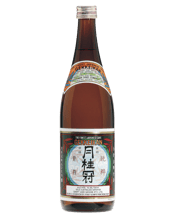
Gekkeikan Sake has beautiful aromas of grapefruit and herbs, cut through with some strong minerality. It can be served at room temperature or colder and is best paired with fish dishes.
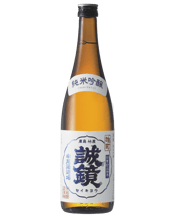
Seikyo Junmai Ginjo Omachi Sake
Fruity and semi-dry, this sake pairs well with fresh salty oysters when cold and grilled snapper when warmed.
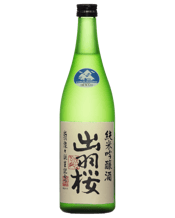
Dewazakura Dewasansan Junmai Ginjo
A soft but deep flavoured sake with some zingy acidity and a fresh finish. We recommend drinking this cold, paired with prawn or vegetable tempura and sashimi.
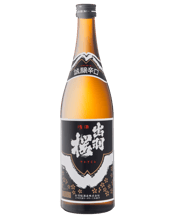
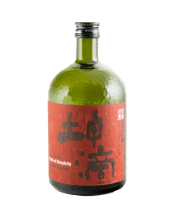
This is an easy, entry-level, table sake, green and crisp with very subtle hints of mushroom on the palate. Try this one slightly warmed up alongside miso-based hot pots, pork tonkatsu and braised chicken.
Kizakura Konteki Junmai Daiginjo
Velvety and smooth, the Kizakura Konteki Junmai Daiginjo is a super premium sake that has to be drunk cold (very important). We’d recommend pairing it with scallops, pork or light meats.
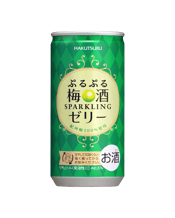
Hakutsura Puru Puru Sparkling Jelly Plum Ume Sake Cans
A super fun sake that’s sweet with deep plum flavours and slight fizziness. The cans actually have jelly in them, so make sure you do the ol’ shake before opening. This is new-age sake, so there’s no need to be traditional here. Pair this easy-drinker with whatever pizza you’re craving.
Kanpai!




%20(1)?$dans-daily-web-image$&hei=900)
?$dans-daily-web-image$&fmt=png-alpha&wid=800)