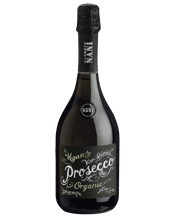
Is organic wine always preservative-free? Is preservative-free wine organic? Who knows? We do.
Organic wine is more popular than ever before, but making wine using organic methods is not a new phenomenon. In fact, it’s the way wine grapes were grown for centuries before the introduction of synthetic chemicals to aid the process.
Much like organic fruit and veg at the supermarket, organic wine is grown ‘as nature intended’. This means without the help of synthetic pesticides, herbicides, fungicides... you get the idea. It also means using natural fertilisers, free of synthetic chemicals and the like.
If this sounds like a no-brainer it’s because, for the most part, it is. We don’t reckon anyone would argue that removing these chemicals from the winemaking process would be any worse for you. A counter-argument is that these chemicals are used in even the very finest of wines, and have been for quite some time.
Organic wine can be more difficult to produce because it requires a heavier reliance on factors such as weather, soil, climate, and geography. For this reason, plenty of famous Champagnes (from the cold, damp north of France) make no claim to be organic.
It’s useful here to consider why vignerons use non-organic methods when growing the grapes that go into wine.
For example, fertilisers are used to introduce nutrients into soils, herbicides are used to remove weeds, and pesticides are used to protect vines from pests. Without the use of pesticides, it can be pretty difficult to grow grapes. If you’ve ever had your prized basil plant decimated by critters, you’ll know. Imagine losing a field of deliciously sweet grapes (and your source of income) to hungry bugs.
If you’ve ever tried a wine that’s been sitting open on the counter for a week, you’ll know it doesn’t last very long. One way winemakers stabilise wine in the bottle is by using preservatives, the most common of which is sulphur dioxide or ‘preservative 220’. You might also hear sulphur dioxide referred to as ‘sulphites’.
A small segment of the population (less than 1%) is sensitive to sulphites and may choose to go preservative free. If you read the above and thought to yourself, “Wine always gives me a headache. I must be allergic to sulphites...” you’re not alone. Chances are, though, sulphites aren’t the issue. If you can stomach raisins or a pickled onion, you’re fine. Both have over five times more sulphites than your average bottle of wine.
An important thing to understand is that even when not added to the wine as a preservative, sulphites can be naturally occurring in wine, albeit in very small amounts. It is for this reason that a more accurate way to talk about preservatives in wine would be to say ‘no added preservatives’ rather than ‘preservative free’.'
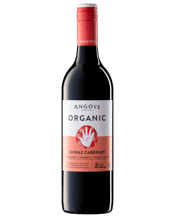
Organic wine is wine made without the use of synthetic chemicals. Preservative-free wine is used to describe wine where no preservative (aka sulphites, sulphur dioxide, preservative 220) is added during the winemaking process.
While some wines are both organic and ‘preservative-free’, organic wine doesn’t mean preservative-free wine... and preservative-free wine doesn’t mean organic wine. So read your labels, folks! That’s where you’ll find the details you need to make the choice that works for you – and there’s more choice these days than ever before. If you’re keen to learn more about organic wine in Australia, check out our recent deep dive here.