


Gone are the days of Skittles vodka and musk-stick rum.
It happens sometimes when you're scrolling aimlessly on TikTok. Somewhere between the cat videos, children falling over and alien conspiracies, there’s a startling, almost nostalgic jump scare. It begins with a sink, a bucket or an esky. There is an American (always an American). There’s brightly coloured liquor and tonnes of “soda.” And there is always “candy” – gummy bears, musks and sour straps floating listlessly atop a sea of sugary liquid. In the video they call it “punch” but, little do they know, they’ve just infused a bunch of already sugary liquids with a bunch of sugary foods. We can’t blame them really, this style of infusion was all the rage 12 or so years ago. Pouring Skittles into bottles of vodka, musk sticks into rum and other wild acts committed against perfectly good alcohol. And while those days are hopefully in the past, we can take a lesson from them because infusing spirits has grown up – and so have we.
In light of our new and evolved tastebuds (hooray!), we’ve added a few spirit-infusion suggestions to try at home. But first, for those who didn’t experience the sugar high that was the early 2000s, here’s a brief rundown of what it all means.
It’s not really a new thing, people have been doing it for yonks – dumping herbs, spices and dried fruits into alcohol to create makeshift potions. It was all the rage in the Middle Ages and it really hasn’t strayed from that simple formula. Take a botanical like rosemary and add it to a base alcohol, and after a few days, that base alcohol will begin to taste a bit like rosemary.
Macerating, which is a type of infusion, is very similar, but instead of adding whole botanicals, they’re chopped up, so there is more surface area for the alcohol to soak up the flavours.
Heat, pressure and action can also be used to infuse spirits. For example, giving the mix a nice shake a few times a day will help the flavours infuse quicker. Heating up the mix (not too much) will also make it easier to extract flavours from the botanicals (not all botanicals; flowers will perish), while pressure forces the flavour to bind.
Professional infusion techniques include sous vide, rotovapping or even nitrous oxidising (or iSi). We won’t get into all that technical mumbo jumbo now, but we have waffled on about it here if you want to know more. Even fat-washing (like in our Bacon-Washed Old Fashioned) is a type of infusion. It’s really the best bartender secret because not only does it create an interesting spirit to sip, but it also makes for a super-complex cocktail ingredient.
We won’t be listing everything you can infuse because that’s a never-ending list. However, please stay away from raw meats, tobacco and non-edible items (duh). Not only will they literally poison you, but on your way to the hospital, you’ll have a really gross taste in your mouth.
As for how long you should be leaving things in the bottle, it’s really up to your taste. Tea infusions take very little time and need to be pulled out before the botanicals turn bitter, so around five minutes or so. Fruits will take a few days to release their full flavour, whereas thick herbs like rosemary and vanilla pods can stay in there for a few days or up to a week. Once it's infused for the appropriate amount of time, remember to strain out those botanicals and discard them.



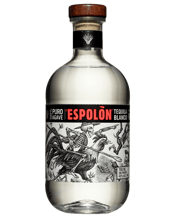
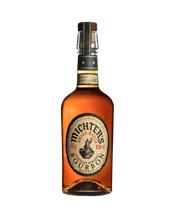

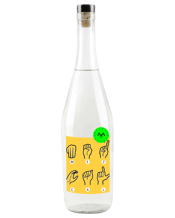


%20(1)?$dans-daily-web-image$&hei=900)
?$dans-daily-web-image$&fmt=png-alpha&wid=800)