


How centrifuges, rotovaps and liquid nitrogen found their way out of the lab and into your glass.
When you imagine a bartender, you might picture someone dressed in suspenders, gold sleeve garters, an un-ironic curled moustache and maybe a top hat. Stray just an inch from the CBD and that archetype shifts slightly. Vintage button-ups, heavy-stickered tattoos, mullets and some sort of filthy facial hair (think ’70s porn). And we love it all. What you don’t expect to see is a mad scientist-style bartender operating medical equipment, fiddling with beakers and ferments, but it happens, and it’s happening more and more, too. So, let’s break it down.
You’ve heard of molecular gastronomy – enzymes, dry ice, foams, all that very fancy stuff that chefs like Heston Blumenthal have pioneered. But have you heard of the cocktail equivalent, molecular mixology? Picked up in the early 2000s, the premise of molecular mixology was fairly similar to Heston’s complicated food experiments, taking singular or molecular-level flavours and reproducing them in a way that’s intriguing and different. Dave Arnold, a food scientist and innovator, fronted the movement, even releasing a book that’s become a cult bartender favourite, Liquid Intelligence: The Art & Science of the Perfect Cocktail. It was an interesting, new way of looking at bartending, and what cocktails taste like and mean. Since then, despite the return of the classics, the art form has taken off, with more bartenders experimenting with different forms, clarification methods and ferments – dropping the daggy 'molecular mixology’ tag along the way. For bartenders these days, it's not enough to just nail the classics (though this is really important), they also need to have a clear understanding of these sciencey practices and how to apply them to the craft. Things like clarifying, aromatising, foams and rotovapping. Let’s have a gander at some of these alien practices.
In terms of big-deal bartending equipment, this is Ron Burgundy (“I’m kind of a big deal”). Not just because of its absurd price, but also because of its versatility. The rotary evaporator or ‘rotovap/rotavap’ is a hefty instrument consisting of a heating bath, glass bulb or flask, vacuum system and condenser. To give you an idea just how sciencey this thing is, it’s traditionally used in chemical laboratories to gently remove solvents from samples by evaporation. ‘Gently’ is the operative word here. This method of evaporation without overheating piqued the interest of our molecular gastronomy and mixology geeks, who saw its unique potential to not only clarify (like the centrifuge) but also impart the hardest and freshest ingredients to distilling and cocktail making.
What do we mean by this? Well, in traditional distilling, you need to heat the ingredients to a very high temperature to capture the vapour. When this happens, your botanicals cook. All herbs – basically all fresh ingredients – will wilt and you’re left with that cooked flavour. The rotovap still needs to be heated, but only to about 30 degrees in a vacuum, meaning those bright and fresh ingredients will not cook. For example, you could make your own fresh cucumber and coriander spirit without it being boiled and tasting boiled. The rotovap can also “de-wood” your spirits, which is to say it can take out tannins imparted from aged spirits and remove colour and other harsher flavours like bitterness and spice. You can understand why this is particularly revolutionary for cocktail bars. The ability to remove or add flavour that is usually diluted due to heat or drying is extremely exciting. Say you wanted to make a Mojito without the muddled mint. The rotovap can infuse the rum and the mint, so you have a lovely clear drink that can be poured straight or over a big hunk of ice.

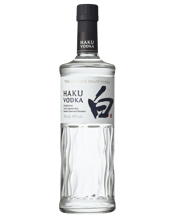
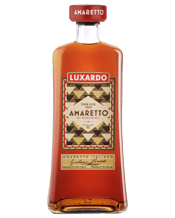
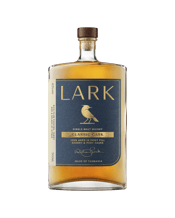
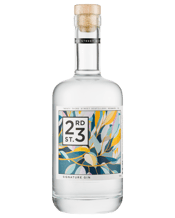



%20(1)?$dans-daily-web-image$&hei=900)
?$dans-daily-web-image$&fmt=png-alpha&wid=800)