


Is it as simple as swapping out your spirit? We talk to an expert to learn how to make non-alcoholic cocktails that taste as good as their OG counterparts.
If you thought last year was the hey-day of the non-alc drink alternative, recent times have only seen it intensify. If anything, the demand for quality zero% drinks has risen – and, thankfully, brands have caught up. If you find yourself in that camp – it could be a newfound sober curiosity, deciding to go damp, a lifestyle change, or simply wanting to skip over traditional cocktails when the drinks menu lands – thankfully, there’s no shortage of alternatives out there (we see you, zero% wine and beer). But today, we want to deep-dive into non-alcoholic cocktails. Specifically, what it takes to nail them at home. Is it simply about swapping the base spirit? Can the final creation really live up to (and taste as good as) its alcoholic equivalent? And what ingredients should you keep up your sleeve (read: in your drinks trolley) when you’re next shaking or stirring a round of non-alcoholic refreshments?
We understand that if you’ve never tried making a non-alcoholic version of a cocktail – or if you have, and it just tasted like fruit juice – it can be hard to know where to start. But fear not, we’re here to help. We’ve also enlisted the help of Guy Miron; he’s the manager at Brunswick Aces’ flagship bar, Ginny’s in Melbourne’s Brunswick. Since 2017, the team at Brunswick Aces has been convincing everyone who walks through its doors that going without alcohol doesn’t have to feel like you’re missing out. Located in the epicentre of multicultural food and drink in Melbourne, this venue is Australia’s first zero-proof bar and has an impressive selection of non-alcoholic options across beer, wine and spirits. So, if anyone knows how to nail a zero-alc cocktail, it’s Guy and his team. Let’s get into it.
Before we dive into Guy’s tips, we have to address the elephant in the room. Can a non-alcoholic cocktail really taste like the real thing? Yes and no. The reality is that ethanol (what makes a drink alcoholic) brings some unique aspects to a drink – both how it actually feels in your mouth and the way it interacts with other compounds to create totally new flavours – that are pretty impossible to replicate exactly. Compared to beer, for example, spirits have a higher percentage of alcohol, so you’ll notice the difference more when it comes to non-alcoholic cocktails versus a zero% tinnie. The cool thing, though, is that we know that ethanol essentially brings dryness, bitterness, and a sort of tingle, and those are all effects you can imitate to a decent extent with other ingredients.
For example, spicy ingredients like ginger or chillies both stimulate the same nerves as alcohol, even though the exact compounds are different. Astringency and bitterness is harder to replicate, but something tannic like a super strong black tea (try using two teabags) can do the trick.
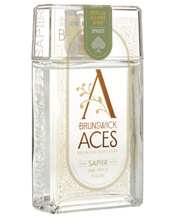
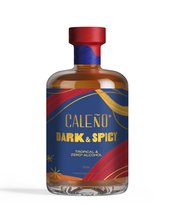
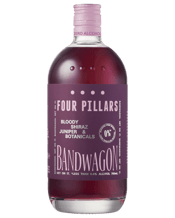
These days many of your favourite booze brands are designing non-alcoholic spirits that do a lot of the hard work for you – the Brunswick Aces Spades Sapiir, Four Pillars Bloody Shiraz Bandwagon Gin and Caleno Dark & Spicy come to mind. Will the experience be identical to the alcoholic version? No. But you’re missing the point. Bitterness, astringency and spice are techniques you can use to add layers of flavour and lend more of an OG feel to your new drink. Shift your goal to making something that’s as delicious, complex and enjoyable to drink as a great alcoholic cocktail – even if the exact experience is slightly different.
Great, now that that’s out of the way, let’s get Guy’s help to craft our own excellent non-alcoholic cocktails at home.
Feeling experimental? That’s great! It’s okay to channel your inner scientist when constructing a tasty alcohol-free cocktail – and be ready to tweak your recipe according to your results. For starters, if you’re swapping your favourite alcoholic base for a non-alcoholic spirit, adjust your proportions to achieve the right balance of sour, sweet and body. It might be a good idea to start with an original cocktail recipe's proportions and adjust incrementally, tasting as you go to find the right balance that suits the non-alcoholic base. Most drinks rely on a complex interplay of chemicals, and remember, removing ethanol from the equation gives them different compositions – so keep that in mind.
According to Guy, every cocktail on the menu at Ginny’s is thoughtfully crafted to be enjoyed in both alcoholic and non-alcoholic forms. “The challenge lies in ensuring each cocktail delivers a unique and memorable experience, regardless of the version,” Guy explains. “My approach focuses on key elements like texture, bold flavours and innovative consumption experiences… exploring unique ingredients such as creams and thickeners, various levels of spiciness, and bitter notes,” he adds. So, try taking a leaf out of Guy’s book when you’re cocktail-ing at home.
“Stocking up on quality non-alcoholic products like Brunswick Aces Spades Sapiir (our non-alcoholic gin) and non-alcoholic bitters can help create unique and sophisticated flavours,” explains Guy. “Consider incorporating ingredients that aren't typically used in everyday soft drinks – these unexpected elements can add depth and intrigue to your non-alcoholic creations,” he adds. Other ingredients you could stock up on include ginger beer, kombucha or good old-fashioned soda water: the carbonation naturally enhances the perception of all things in the glass.
Don’t hold back on citrus fruits for acidity (they’re also great garnishes), fresh herbs, spices (ginger, cinnamon and cardamom can all bring warmth and complexity), apple cider, coconut water and even tea can make a great base. Then, you’ve got your sweeteners like simple syrup, honey or elderflower. Essentially, while the alchemy of a non-alcoholic cocktail might differ from a traditional cocktail, you’ll probably find you have a lot of the tools you need on hand to create some magic.
It’s all in the details! Starting with a great garnish – why should the original cocktails get all the fun flourishes? So, get your apple fan on (check out our tips to perfect it in this recipe), peel an orange rind or add a maraschino cherry for good measure. Other things to keep in mind? If you’re shaking up a sour-style cocktail using a non-alcoholic spirit, shake it for less time than its spirited counterpart (roughly six to eight seconds) and with less ice than you normally would. This is due to the chemical properties in the drink: generally non-alcoholic spirits lack body, which leads them to over-dilute quickly and freeze in your cocktail shaker. Finally, store your non-alcoholic spirits in the fridge; the cooling effect expands the liquid’s molecules and thickens it, enhancing the perception of weight (something usually brought by the alcohol). Science!
Overall, the key is to perfect the ratios of complementary ingredients, which will help you create a drink that brings the depth and intrigue of a classic cocktail, despite any differences due to the absence of alcohol. Guy believes the magic is in crafting drinks with unique, intense flavours that encourage slow sipping and savouring, making them just as enjoyable as their alcoholic counterparts.
For a little recipe inspiration – or if you want to sip the real thing at Ginny’s – Guy shares a few of his favourite cocktails on the menu. Like Focussed: “A riff on a bitter, low-sugar Espresso Martini, with a flavour profile closer to Turkish coffee, infused with cardamom goodness.” Or Recovery: “A revitalising mix of ginger, turmeric, homemade honey syrup, lemon, and soda, perfect for combating any unwelcome ailments.”
We also have a whole bunch of other delicious non-alcoholic drink ideas right here on Dan’s Daily, so there’s no excuse not to get mixing.




%20(1)?$dans-daily-web-image$&hei=900)
?$dans-daily-web-image$&fmt=png-alpha&wid=800)