


Get to know this complex variety, which proves value is about so much more than price.
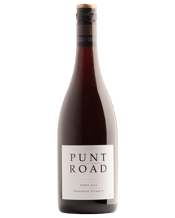
If you’ve ever wondered why pinot can be more expensive than some other varieties, it has a lot to do with it being so tricky to grow. As Punt Road winemaker Jarrod Johnson puts it, it doesn’t always cooperate. “Pinot needs the right climate to grow, and a lot of places with that climate are quite prone to more rain and disease pressure, so it makes a lot more work in the vineyard,” he says. This extra TLC inevitably leads to added costs.
There’s also an age-old supply-and-demand situation going on. “Pinot is a stubborn vine that doesn’t yield as much fruit that a variety like shiraz does,” Jarrod says. “It’s so bloody popular at the moment, it’s skyrocketed, and everyone here in the Yarra Valley is trying to get their hands on more pinot.” Throw in a couple of smaller vintages – something the Yarra and other key regions experienced in 2021 and 2022 – as well as the fact that prime pinot sites tend to be more expensive than others, and it all ends up reflected in the wine prices.


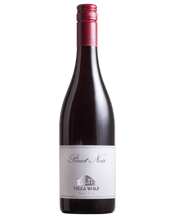
France’s Burgundy region may be pinot’s spiritual home, but if you’re after approachable European examples – Burgundy produces some of the most expensive wines in the world – Germany has the goods. Known there as spätburgunder (spat-burg-under), this grape thrives in the Pfalz region, as seen with the Villa Wolf Pinot Noir. At just over $20, it offers an approachable taste of old-world pinot, with a medium body, ripe dark fruit flavours, firm acid and spicy mid-palate.
It takes a whole lot of hard work to get pinot right – at every price point – but Punt Road’s Jarrod says it’s all worth it. “When pinot works, it’s absolutely magic. There’s really nothing like it.” We can’t help but agree.




%20(1)?$dans-daily-web-image$&hei=900)
?$dans-daily-web-image$&fmt=png-alpha&wid=800)