


Fresh, versatile and very approachable – here’s why this oh-so-French wine is one to try.
There’s a sneaky pride in being the member of your friend group that gets thrown the wine list at dinner. They trust you – you’re the buddy who knows a cabernet sauvignon from a cabernet franc, a Burgundy from a Beaujolais. So, when you casually order a bottle of Sancerre (pronounced ‘son-sair’) along with freshly shucked oysters for you and the gang, well, that’ll just reinforce that you know your stuff. It’s also going to be delicious, so it’s an excellent choice.
Sancerre, as we’ll see, usually refers to a sauvignon blanc from the official Sancerre wine region (called an Appellation d'origine contrôlée or AOC) in the Loire Valley in France. It might sound fancy, but if you’re looking for a serious alternative to your go-to Marlborough or Adelaide Hills sauv blanc, or thinking this variety isn’t for you, Sancerre should definitely be on your radar.
When we talk about Sancerre, we’re really talking about two different things. First is the wine that we generally call Sancerre – a lean, zesty, minerally expression of sauvignon blanc. Sancerre is basically synonymous with this style of sauv, and for good reason – it’s unique and extremely delicious.
The second thing to consider is that the official winemaking region that produces that wine is also called Sancerre. This is just how the French do it, naming wines after regions. Usually, if someone asks for Sancerre, they’re looking for the area’s iconic savvy b – but there’s a small chance they just want to drink something from the region, which also produces red wine and rosé.
In a world where everything seems to get endlessly replicated and imitated, wine flies the flag for uniqueness and individuality. It’s one of the reasons we love the stuff. The fact that regions and subregions can produce such wildly different versions of the same wine is a beautiful thing, and it’s exactly why it’s worth seeking out Sancerre, even if you’re a rusted-on fan of Marlborough or Aussie sauvignon blanc.
Sancerre is usually (but not always) characterised by bright acidity, minerality (sometimes a ‘flinty’ note) and gooseberry, peach and grassy flavours. It also tends to have a little texture, too. Part of what gives Sancerre its classic style is the region’s silex and clay soils, but traditional Sancerre is also fermented in stainless steel, meaning the end wine is a ‘pure’ expression of the region’s terroir (that is, its natural growing conditions).
So, how does Sancerre compare to our home-grown sauvignon blanc? Regions like the Adelaide Hills, which has gained a big reputation for its sauv blanc, aren’t worlds away from Sancerre. Both tend to be lean and vibrant styles, although Adelaide Hills sauvs are typically less minerally and not quite as brightly acidic. They’re a bit more restrained, in other words.
Like we said, if you ask for Sancerre, 99% of the time you’re going to get a bottle of sauvignon blanc. But, just as there’s white Beaujolais and still wines from Champagne, red Sancerre (or Sancerre rouge) is out there.
France’s AOC system means that only certain types of grapes can be grown and used to make wine in that region – if winemakers want to use the AOC name, that is. In the Sancerre AOC, the only two grapes allowed are sauvignon blanc and pinot noir (the latter is what goes into red and rosé Sancerre). Pinot noir from Sancerre isn’t on everyone’s radar but if you come across an example, expect to find a fruity, earthy and very pretty wine.
Sancerre (the sauvignon blanc) is a bloody delicious wine in its own right, with a pile of fruity flavours, light and textural body, and heap of moreish acidity that holds it all together. Like other bright, minerally white wines (Aussie riesling and Chablis, for example), Sancerre gets even better when paired with food. And it really is a very versatile, food-friendly drop. Some dish ideas to get you started include:
Fried starters like tempura, karaage or calamari
Fried or grilled cheeses like haloumi or saganaki
Any seafood, but especially oysters and delicate white fish
Goat’s cheese
Creamy pasta or risotto
Herby roast chicken with all the trimmings (don’t skimp on the roast potatoes)
Eggs benedict (for dinner or breakfast – no judgement)
South East Asian curries
Chicken caesar salad
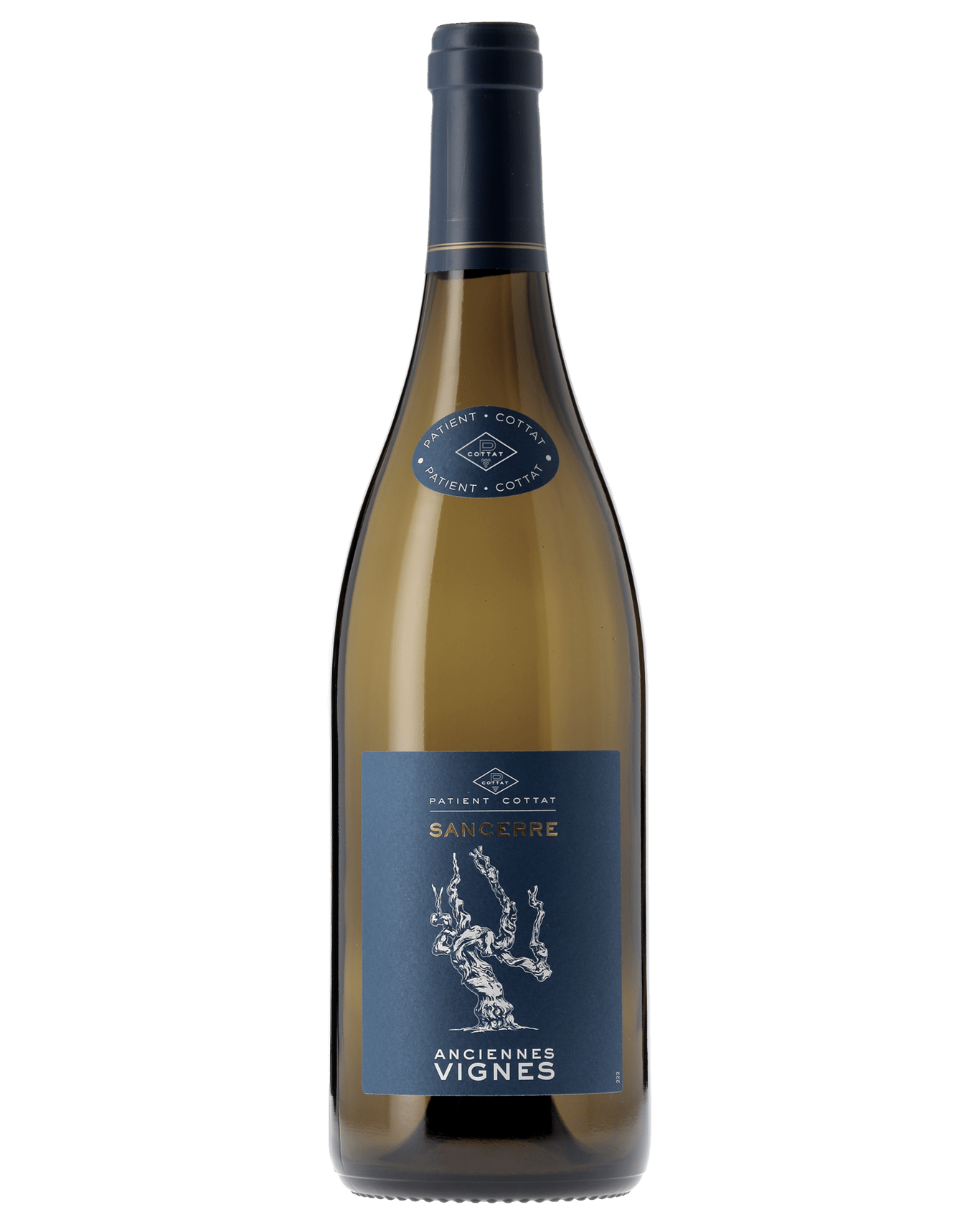
Click image to shop
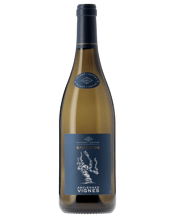
1. Patient Cottat Sancerre Anciennes Vignes
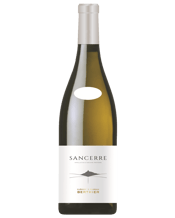
2. Clément & Florian Berthier Sancerre Blanc
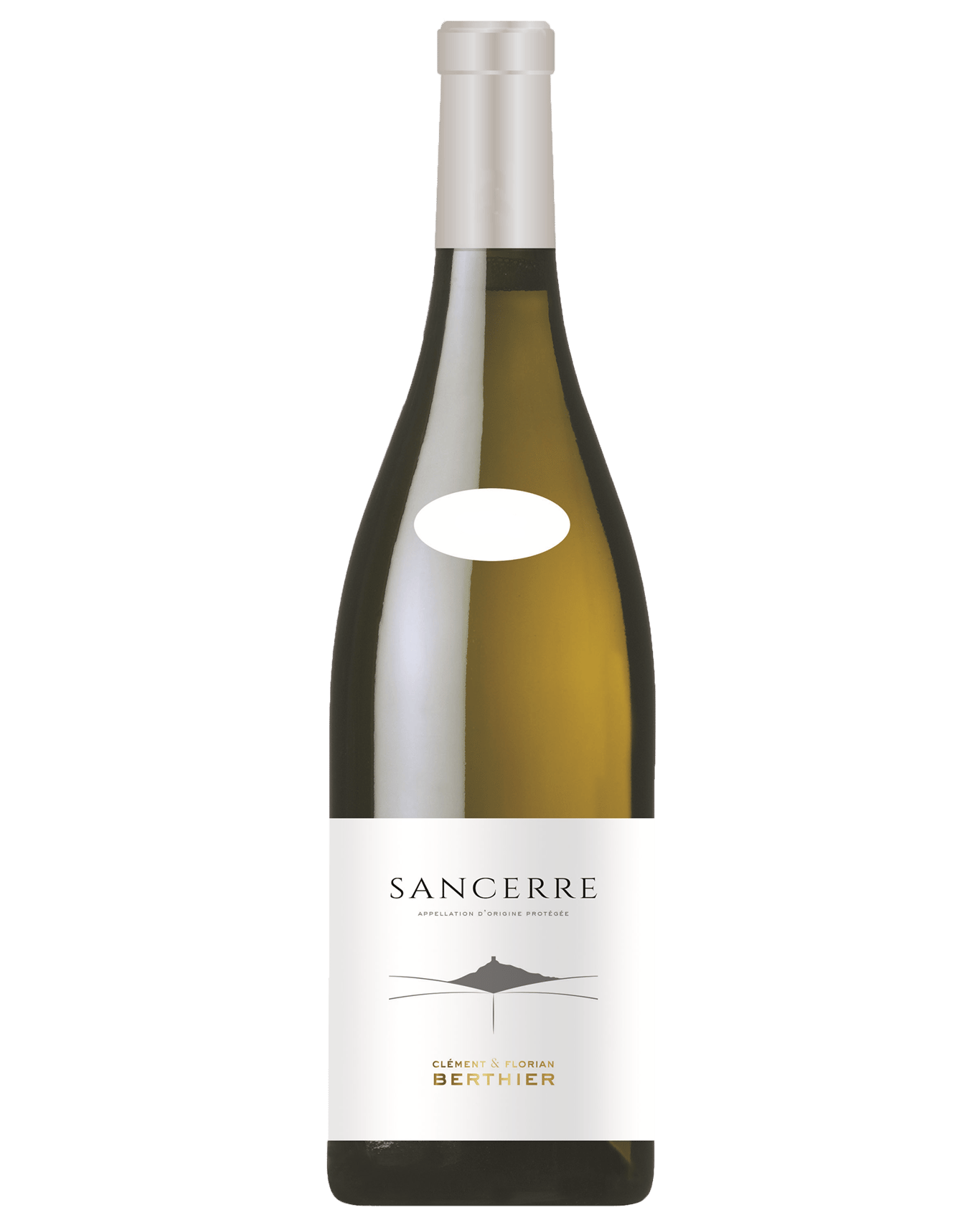
Click image to shop
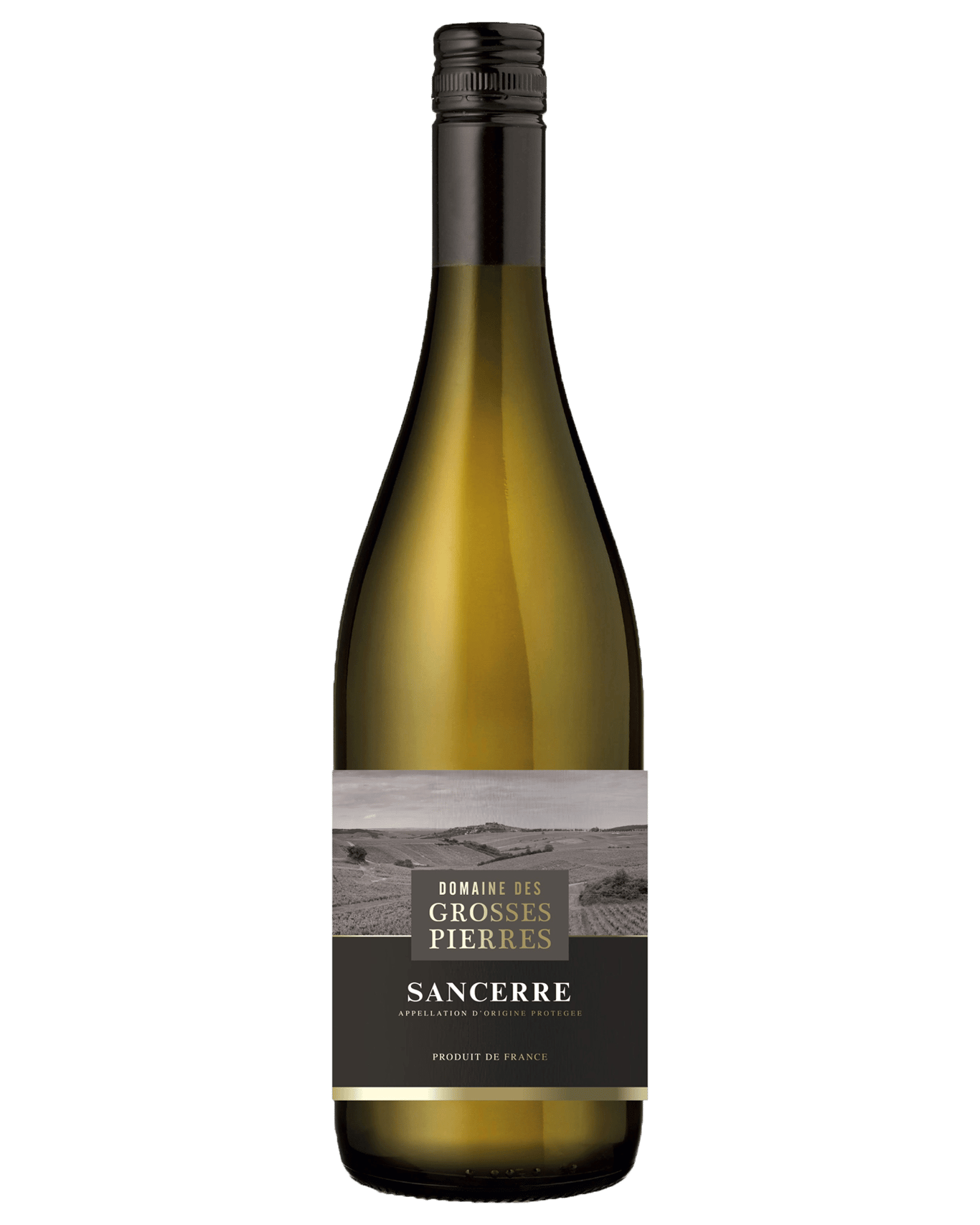
Click image to shop
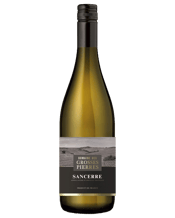
3. Domaine Des Grosses Pierres Sancerre
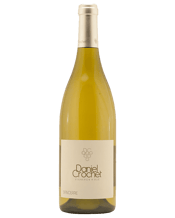
4. Crochet Sancerre
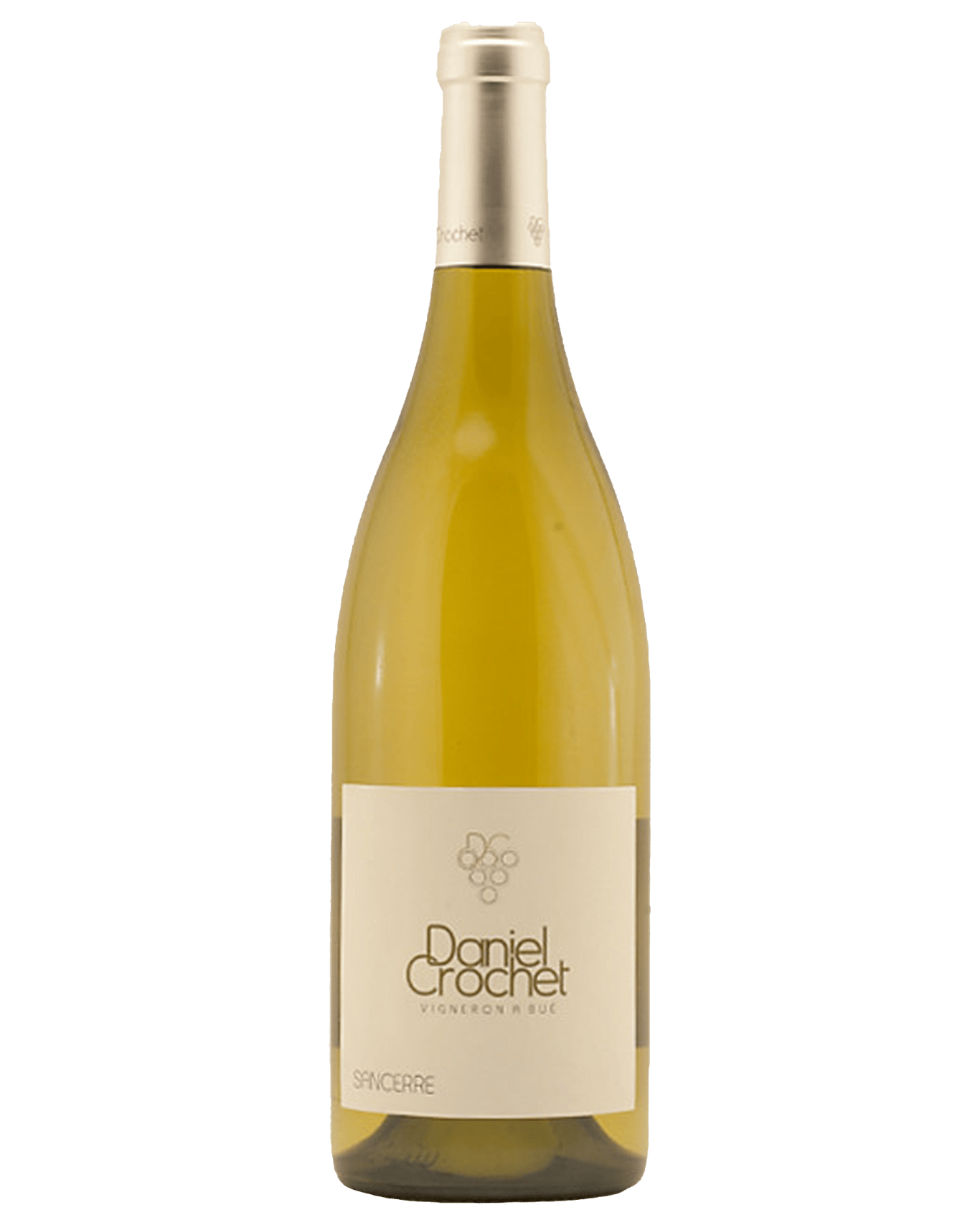
Click image to shop




%20(1)?$dans-daily-web-image$&hei=900)
?$dans-daily-web-image$&fmt=png-alpha&wid=800)