


There’s a big old world of rum out there, so let’s break down the styles.
Our ancestors must have been so stoked when they first figured out how to produce sugar from sugarcane. But they were probably doubly chuffed when (many, many years later) they discovered how to turn that sugarcane into rum. Talk about a miracle plant, right?
These days, almost every place that grows sugarcane also produces rum. And there are a lot of cane-growing spots around the world, from the Caribbean to Queensland and all points between. This means that not only is rum truly global, but it also has a huge range of distinct styles to explore. Just take a look at the rum section next time you’re shopping – you’ll see different regional approaches, a range of alcohol strengths, spiced rums, various colours like white and gold, and even some with weird and wonderful flavours added.
We love rum in all its forms, whether it’s punching up classic cocktails or shining solo, but we also know there’s a lot to unpack with this spirit. Like, how do we know which rum is best for our tastes? And which one should we use in a Mojito versus, say, a Mai Tai? Well, lucky for you, we love this sort of thing.
Rum is a spirit – just like whisk(e)y, vodka, tequila or brandy. The difference between rum and all the others, though, is that rum is made from sugarcane – or a product of sugarcane, at least, like molasses or cane juice. The sugary byproduct is added to water and fermented to make what’s called ‘wash’ (a watery, alcoholic liquid) that’s then distilled. Once distilled, you’ve got rum.
How that rum ends up tasting once it’s in the bottle depends on a whole lot of factors. This might be how it’s distilled (including the type of still and how many distillations it goes through), how long the ‘wash’ is fermented, where the sugarcane came from, the type of sugarcane product used, whether the rum was aged, blended or filtered, and the strength at which it’s bottled.
It’s clear that rum is definitely not just one thing, so how do you know which one to drink? If you’ve got a cocktail in mind or some flavours you like best, the below guide should be a bit of a cheat sheet for when you’re standing, dumbstruck, in front of shelves full of rum bottles.
Fresh out of the still, rum is clear – otherwise known as white, light or, sometimes, silver. White rum is usually unaged, although some producers might age it for a short time in stainless steel.
White rum is light in aroma and flavour, usually with just a little sweetness remaining from the sugarcane, though you can also find tropical fruit, banana, caramel or peppery notes. This light flavour profile and clear colour make white rum ideal for easy-going cocktails where colour and intense flavour aren’t so important – cocktails like the Daiquiri (a zesty blend of white rum, lime and sugar syrup) and Mojito (rum, mint, lime, sugar syrup and an optional splash of soda water), for example.
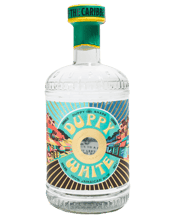
If you’re after white rum, keep your eye out for something like The Duppy Share, a lightly-fruity style from one of rum’s heartlands, Jamaica.
You know how tequila has its blanco, reposado and añejo classifications for ageing and style? Well, rum often gets split into three main categories – white, gold and dark.
Gold sits in the middle of the three, owing its name to its caramel-gold colour, which comes from time spent ageing in oak. The flavour of gold rum will depend on the base rum used (it always starts life as a white rum), the type of barrel (often an ex-bourbon barrel or charred American white oak, but not always) and how long it spends ageing. Too much ageing, though, and a gold rum will end up as a dark rum – but more on that in a minute.
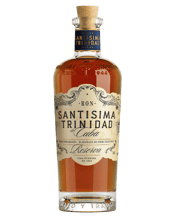
Gold rums are darker in colour than white rums, but they also have more body (meaning they feel a little ‘heavier’ in the mouth), as well as extra richness, aroma and intensity of flavour. Classic examples of gold rum like Santisima Trinidad 7 Year Old Cuban Rum have flavours like dried fruits and sweet baking spices – perfect for adding depth to a Dark ‘n’ Stormy.
On the richer side of the rum spectrum is dark rum, which is, of course, the darkest of the lot. Dark rums spend extended time hanging out in their barrels, absorbing those charred oak flavours (and any other barrel-derived notes) before going into the bottle.
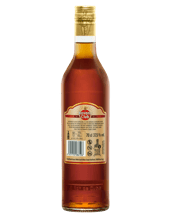
Dark rums include some super-aged versions that end up sweet, viscous and almost dessert-like – look for a rum like Havana Club Añejo Especial for this style. Dark rums don’t have to be sweet, though, but they’re almost always quite intense, with flavours like burnt toffee and raisins. This makes dark rums perfect for adding strength and body to cocktails like the Mai Tai (where it blends with light rum) and the Jungle Bird.
Don’t think you have to mix dark rums into cocktails, either – those intense flavours from extra ageing are definitely worth savouring neat or on the rocks.
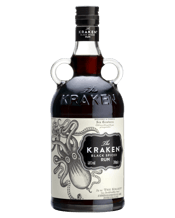
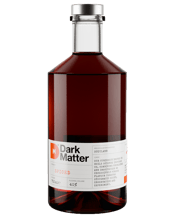
Rum has plenty going on, flavour-wise, but that doesn’t mean it doesn’t benefit from a boost now and then. Spiced rums can be any rum (white, gold or dark – though they’re usually on the darker side) infused with spices. Classic flavourings are vanilla and cinnamon, but spiced rums like the Kraken are infused with clove and ginger, while Dark Matter uses green peppercorn and allspice.
Spiced rums have so much flavour that you could splash some over a big lump of ice and call it a day, but they’re great for adding depth to mixed drinks, too. Our Dan’s upgrade on the classic Piña Colada calls for spiced rum, while a spiced-up Cuba Libre would be a winner, too.
We mentioned that spirits are clear when they come out of the still, but that’s not all – they’re bloody strong, too. Usually, spirits emerge somewhere between 60% to 80% ABV, at which point the distiller will usually cut it with pure water to make it more palatable. How much is a matter of taste, though, and if the rum ends up particularly high in alcohol (that usually means over 50%), it might get labelled as ‘overproof’. It’s kind of like how some high-alcohol gins are called ‘navy strength’ or whiskies are ‘cask strength’.
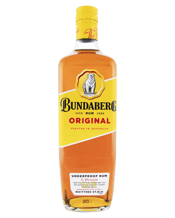
The advantage of an overproof bottling is basically that it turbocharges the rum’s flavours, which is great if you want rum to stick out in a cocktail. Overproof rum could theoretically be any style – white, gold, dark or spiced – but the most common here in Australia is Bundaberg OP Rum, which is bottled at a touch over 57% ABV.
You might also see the term ‘underproof’ listed on a rum label – again, usually Bundaberg Underproof Rum in Australia. Spirits like rum are typically bottled at 40% ABV, so underproof rums usually sit just below that number (in the case of Bundaberg Underproof, it’s 37.5%).



%20(1)?$dans-daily-web-image$&hei=900)
?$dans-daily-web-image$&fmt=png-alpha&wid=800)