NOW EXPERIENCING:5 things you need to know about tequila
Learn|Spirits|Tequila

5 things you need to know about tequila


Read time 5 Mins

Posted 31 Mar 2022

By
Mitch Parker


For starters, there's no such thing as a tequila worm.

Let’s be honest, it used to be that tequila – synonymous with Spring Break – didn’t have the best reputation. If someone ordered a tequila, you could assume they weren’t looking for something to sip and savour. But in recent years tequila's reputation has (rightfully) changed and a focus on premium producers has led to a newfound appreciation for Mexico’s glorious national spirit.

Within Mexico, tequila is appreciated for its unique craftsmanship and incredibly rich flavours. And now, finally, everyone else is catching up and showing tequila some proper respect. Gone are the days of super-sized fishbowl margaritas or cheap and nasty shots (the taste obscured by lashings of salt and lime). Tequila is now being enjoyed the right way – slowly sipped and lovingly mixed – all over the world by more people than ever. 

When it comes to tequila, Mexico is not messing around. For tequila to be called tequila it needs to follow a few rules. It must be made with the native blue agave plant and can only be produced in five areas of Mexico: Jalisco (where 99% is from and the town of Tequila is located), as well as Guanajuato, Michoacan, Tamaulipas and Nayarit. The incredibly regional production is fiercely protected by the Mexican government and heavily audited.


1. How is tequila made?

Tequila is made from blue agave plants, a bluey-green spiky succulent that takes a minimum of six years (and sometimes up to twelve) to grow. Agave is the same plant you’ve probably heard your health food friends talk about, as its nectar is also used as a popular sugar alternative.

After harvest, the spiky leaves of the plant are cut off leaving only the pineapple shaped core (called the piña), which is then roasted. And when we say roasted, we mean it – the piña spends 24–48 hours in huge stone ovens or underground fire pits to convert the starches into a sugary sap. From there it follows a similar process to most spirits, where sugar is fermented with yeast, distilled, and then aged.

2. Are tequila and mezcal the same thing?Technically, tequila is a type of mezcal. Which means all tequilas are mezcals, but not all mezcals are tequilas. It sounds confusing, but it doesn’t have to be. There are around 50 different types of agave plant and mezcal is any spirit that’s made from one of them. Tequila, however, is a little bit more specific – it has to be made in one of the regions above and can only be made from the blue agave in particular.
3. What types of tequila are there?There are three types of tequila you’ll come across when visiting Mexico – or browsing our selection if you haven’t made across the Pacific yet:
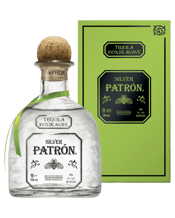
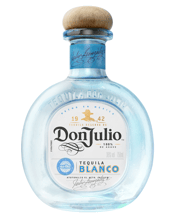
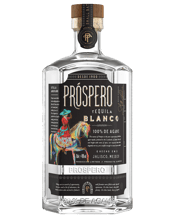
BlancoBlanco (white) tequilas like Prospero Blanco and plata (silver) tequilas like Patron Silver are young tequilas that aren’t aged. They’re fresh, they’re vibrant, and they’re floral. And their youth means blanco tequilas tend to be more punchy, with a real sharpness that makes them perfect in citrusy cocktails. Don Julio Blanco mixed into a Paloma? Yes please. Just like other spirits, sticking to younger tequilas for cocktails means you’re not wasting the more complex (and expensive) versions by covering them up with other flavours.
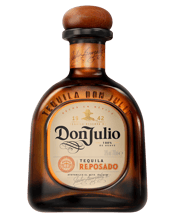
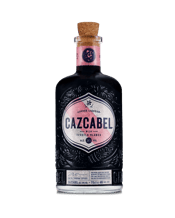
ReposadoReposado literally means ‘restful’ and this is where tequila starts to grow up and mellow out. After spending between two and 12 months ageing in oak barrels the flavours get tamed by wood and the colour turns to a yellowish gold. Ageing brings out softer flavours like vanilla and an earthiness that lends well to both sipping and mixing. Don Julio Reposado is Mexico’s highest selling super premium tequila, which makes it a great benchmark to start with. And then there’s Cazcabel Reposado, another premium tequila that’s our pick for top-shelf Margaritas.
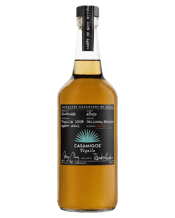
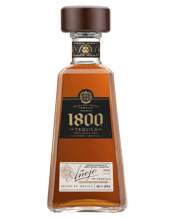
AñejoAñejo is when tequila enters its golden years – the word literally means ‘old’ in Spanish. To be considered añejo, a tequila must be aged for a minimum of twelve months. Some labels go even longer, like Casamigos (yep, George Clooney’s tequila) who age their Añejo Tequila for 14 months. After so long in oak the tequila becomes as smooth as caramel, with a deep golden brown colour to match. To appreciate the complexity of the flavours you really want to sip these tequilas. Serve a glass of 1800 Añejo Tequila in a snifter glass and give it the same respect you’d give a complex Cognac.
4. What about infused and flavoured tequilas?

More than a few hearts were broken when Patron announced they’d wrapped up their cult-favourite blend of tequila and premium coffee, Patron XO Cafe. Thankfully they’re not the only coffee and tequila blend in town, with Cazcabel Tequila Coffee Liqueur stepping up to the plate with their sweet Mexican coffee blend. 

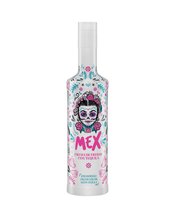
And coffee is just the tip of the iceberg when it comes to flavours that are possible to infuse with tequila. Mex Strawberry & Tequila Cream is bursting with sweet strawberry flavour and rich cream to create a delicious mix that's almost like a Mexican-inspired version of Baileys.

5. What about the tequila worm?It’s a myth! Well, sort of. Despite what you’ve seen in the movies, there’s no such thing as a worm at the bottom of tequila bottles – and there never was. You’re (understandably) confusing tequila with mezcal, and worms with moth larvae that feed off the agave plant. Even then, these moth larvae (known as ‘gusano de maguey’) only started popping up in commercial mezcal bottles around the 1940s and ‘50s. There are a few competing legends as to why, but they all come back to the same answer: it’s just marketing. So while you’ll never find a worm at the bottom of a bottle of tequila, you should also steer clear of mothy mezcals – the good stuff is always larvae-free.