


Know your blanc de blancs from your blanc de noirs with our guide to the key Champagne and sparkling styles.
There’s a time and a place for a bottle of bubbles, especially at this pointy end of the year. While Champagne and sparkling can – and should – be popped for any occasion, these wines always make a Mariah-level festive-season comeback. And we know it’s easy to always reach for the same old bottle, it could be time to explore another style. If you’re not sure what to expect beyond your go-to, read on for a guide to the different styles of Champagne and sparkling wine.
Navigating fizz isn’t always easy, especially when it comes to Champagne and its labels, but knowing a little about the styles can help. Are you into crisp and bright fizzy wines or do you prefer richer, toastier flavours? Here, we run through six key Champagne styles, which are also reflected in other sparkling wines made in the same traditional method (but if you’re after different types of bubbles, we have a guide for that, too).
Often referred to as ‘NV’, non-vintage Champagne and traditional-method sparklings are made from a blend of wines from various vintages and aged for at least 15 months. This ensures the wines hit the same notes each year for a consistent style. Their labels don’t always shout ‘Non Vintage’, but if there’s no specific year front and centre, it’s a safe bet it’s a non-vintage release.
Champagne can only be made from chardonnay, pinot noir and pinot meunier (in France’s Champagne region), but ratios between wines vary. And while Australia makes great bubbles from all sorts of grapes, our traditional-method sparklings follow suit.
To taste? Non-vintage Champagne and sparklings are typically fresh and crisp with bright fruit flavours (think apple and citrus). NVs tend to be the most accessible style as it’s a comparatively cheaper way to make sparkling, but this isn’t reflected in the quality – they’re an excellent intro to fine fizz.
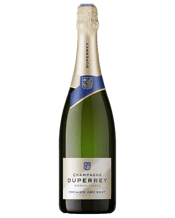
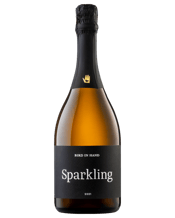
Try: Champagne Duperrey Brut Premier Cru, Bird in Hand Sparkling.
Some of the most revered Champagnes are vintage wines, made from grapes grown in a single harvest and aged for at least three years. In France, Champagne houses declare only certain years worthy of a vintage release, so the quality, rarity and limited quantities lead to higher prices. The same goes for any Aussie or other international sparkling that names a vintage on the label.
All styles can be vintage releases, but ultimately, these wines express that extra age, particularly as producers often leave them for longer than three years. This helps to build those trademark toasty, bready notes – often described as brioche-like – and integrate all the wine’s characters, while still retaining that all-important acidity.
Expect a richer sparkling with almost honeyed notes and more complexity than your average NV. Many also feel slightly less bubbly, with a more refined and creamier sensation as you take a sip.
Try: Mumm Vintage Champagne, House of Arras Grand Vintage 2016.
Apart from being fun to say (blonk de blonk), this style is among the brightest of the lot. Meaning “white of whites”, these esteemed bubbles (they’re often referred to as elegant) are made with only white grapes. In the context of Champagne – and, in turn, traditional-method sparklings – that means they’re 100% chardonnay.
So, if you’re a chardy fan, you’ll love these crisp wines with high acidity, green-apple flavours and citrus notes. Blanc de blancs wines are vibrant and pure-fruited, and they’re often a favourite among sommeliers. While they make a very classy aperitif, they especially shine with food – think light seafood, fried and creamy dishes, salads and more.
Of course, with age, a blanc de blancs will develop toastier, almost buttery notes and more complexity, but traditionally, these wines fall in the tight and racy camp.
Try: Billecart-Salmon Brut Blanc de Blancs, Howard Vineyard Blanc de Blancs.
Meaning “white of blacks”, blanc de noirs styles (blonk de nwah) are made from the red grapes in the Champagne mix – pinot noir and pinot meunier. They may be 100% of one or the other variety, or a blend, but minimal skin contact during production means they’re commonly gold or slightly blush, as opposed to red.
These wines typically deliver a bigger, bolder drinking experience than other sparkling styles. When it comes to the flavours, there are more red fruit and berry notes, and hints of spice and earthy notes, which all meld into a rich, deep and complex style.
It’s no surprise that blanc de noirs wines are excellent with food. They’re especially great with bigger flavours like roasted meats, but they’re also perfect for a simple grazing plate, too – cured meats and creamy cheeses are essential.
Try: Charles Orban Blanc de Noirs, Philipponnat Champagne Blanc de Noirs Extra Brut Vintage
Rosé Champagnes and traditional-method sparklings are delicate wines with a pink hue to match. Here, the pinot noir and pinot meunier are responsible for that pretty colour as well as heightened fruit flavours, but chardonnay is still most commonly in these blends, too.
Not unlike your typical table-wine rosé, you’ll get bright but subtle berry flavours such as strawberry, raspberry and cherry, all wrapped up in a high-acid, crisp and fresh wine. That said, there are plenty of richer, spiced and more complex sparkling rosés, too, so ask in-store if you lean one way or the other.
There are fewer available rosé Champagnes, mostly due to the complexity and added production costs. This means you can generally expect a higher price for rosé Champagne, but if that means they’re out of your budget, there are brilliant Aussie examples at much more affordable prices.
If you have a super special occasion coming up and you’re out to impress, prestige cuvée Champagne is the way to go. This is the flagship wine for a Champagne house, made only with the finest grapes to create a wine of the rarest and highest quality. In short, the very best.
These wines can be aged anywhere from five to 15 years, which loads up the wine with added complexity, depth and flavour. It’s a bit like a vintage wine on steroids, although some can also be non-vintage releases. Still with us? Expect aromas and flavours like toasted brioche, honey and dried fruits, along with a smooth and silky mouthfeel – a fine, creamy palate is typical for these wines.
Given their exclusivity, prestige cuvées tend to come with an exclusive price. But if you have a few prestige-cuvée curious friends, it’s worth getting everyone excited to chip in for a seriously special treat to enjoy together.


%20(1)?$dans-daily-web-image$&hei=900)
?$dans-daily-web-image$&fmt=png-alpha&wid=800)