

As Aussie winemakers keep giving us more delicious choices, we chat to Kim Chalmers, who helps make that happen.

With both Bruce and Jenni being gifted green thumbs, they started propagating grapevines in the late 1980s, right as the Australian wine industry boomed. These were vines for traditional European grape varieties, such as chardonnay, shiraz and cabernet, to name just three. “It became a huge wholesale nursery because there were millions of vines going into the ground at the time,” Kim says (pictured far left). “But being the kind of people who always had their eye on the prize, they wanted to reinvest in the industry and build their business at the same time, get more diversity happening, find some varieties that would work in warmer climates, and get some better planting material.”
And so, by the late 1990s, the Chalmers had turned their attention to Italy and began importing its native grape varieties into Australia. Today, the whole family is involved in all aspects of the business, including Kim’s sister Tenille, Bruce and Jenni (who remain hands-on), and Kim’s winemaker husband Bart van Olphen. The family has vineyards in Victoria’s Heathcote and Merbein, near Mildura, and they grow fruit for customers – this year with more than 200 orders from about 50 producers – as well as their own Chalmers wines. “We bring in the vines, promote them, grow them, share the grapes and make the wines as well, so it’s super cool to be doing all the things,” Kim says. “And we’re still bringing in new varieties, despite how hard it is.”
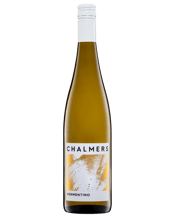
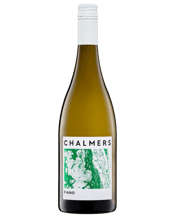
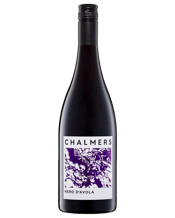
Among the varieties the Chalmers have established here are the star whites fiano, glera for prosecco, garganega – the grape that makes Veneto’s Soave – and vermentino (hot tip: the Chalmers Vermentino is the gold standard). Reds include barbera, montepulciano and nero d’Avola. Some varieties previously existed here, mostly used for study rather than making wine, but others have been a first for our shores. Nero d’Avola is just one example. “We got one pot plant of nero that’s become an entire nation of vineyards,” Kim says. “That variety is now starting to get some regional diversity – you can tell them apart – so it’s reaching this level of maturity now, 20 years in, and we’re kind of like the great-grandparents of all the nero wines in Australia.”
While Kim acknowledges the importance of Australia’s old vines and the established, traditional varieties, there is still plenty to get excited about when it comes to new and different styles. This includes the recent arrivals of falanghina and pecorino, which both produce refreshing whites. “The wines are awesome!” Kim says. “It’s just such a nice thing to be part of. For us, it’s about bringing new flavours to the table, and new ways of thinking about viticulture and why people choose to work with certain varieties.”

It’s clear this family lives and breathes their approach, whether it’s related to the vines, the wines, other people’s businesses, or Australian wine overall. “We have always tried to make wines that are really honest and authentic, and we’re very much about creating Australian wine – not copying others – and working within our regions to produce wines with elegance and freshness,” Kim says.
In some ways, this challenges certain perceptions out there, particularly that wines from warmer climates are somehow lesser than those from cooler regions. “That’s just not true,” Kim says. “It’s not an X-Y relationship and it obviously depends on what you grow and where, and how you grow it. There’s bad wine in cool places and good wine in hot places.”
As Kim explains, their vineyards are in warmer climates, and they have evolved as a family of viticulturists and growers and now winemakers, fighting against the stereotypes at every stage. “It’s amazing for us to now come to the table with the kind of wines we are, at the level they are, and with these styles that we’re not having to acidify [the process of adding tartaric or malic acids to a wine, sometimes used where grapes have ripened too much in warmer regions], that are fresh and bright. That’s always been our mission,” she says.
This end goal goes far beyond their own operation, as they’re helping other Aussie wine producers have a similar impact. “We’re rejuvenating vineyards, trying to get more sustainable and get a better product mix that suits what people want to drink, like lower alcohol or different flavours. That’s where I think all these tools in the kit are great – to have all these different varieties to work with,” she says.