


Not just sticky and sweet, here’s why you need to stop sleeping on sherry.
“No other wine is as versatile, as utterly unique in its range and production methods – and unfortunately, as misunderstood as sherry.” – Talia Baiocchi, Sherry.
We’d wager the majority of Australians think sherry is a sweet, sticky brown drink that spends most of its days collecting dust at the back of Grandma’s pantry. Well – friends, Australians, countrymen – lend us your ears, we’re going to let you in on a little secret: sherry is the best (and cheapest) wine in the world and it's about time Australians were clued in.
If you’re wondering why Aussies have been sleeping on sherry for so long, you can blame your grandparents – whose palate for the overly sweet produced a market for the sticky, thick styles of sherry back in the mid-20th century, while the more interesting, drier styles remained a European/Spanish secret.
If you’ve ever ventured down to Andalucía, Spain, you’d understand. It’s the favoured drink of the locals and often poured on tap alongside good helpings of Jamón Ibérico and heaped Gildas. But if you haven’t travelled that part of the world, here’s our what’s-what guide to the Spanish styles of sherry you’ve been missing.

Sherry is a type of fortified wine (wine that has a distilled spirit added to it) that originates from Marco de Jerez, the southwestern region of Andalucía, Spain. In fact, the word ‘sherry’ is an anglicisation of ‘Jerez’.
All sherry is made from white grapes. The dry styles (also Spain’s most popular) are made mostly of palomino fino grapes. While the sweeter styles (yes, there are good sweet ones too) are made up of Pedro Ximénez (PX) and moscatel grapes.
Like Champagne or tequila, true sherry can only be made in one protected, designated region – for sherry, that’s a tiny corner of southern Spain known as the Sherry Triangle. Making up the three points of this triangle are the towns of Jerez de la Frontera (the largest producer), neighbouring El Puerto de Santa Maria and Sanlúcar de Barrameda. Not only do the rules dictate that sherry must be vinified and aged in this region, but also that they must be aged using a solera system (more on that shortly).
However, similar styles using the same grapes and methods have popped up all over the world, including Australia. Although these used to also go by the sherry name, a 2010 trade agreement with Europe meant Australia (and other countries, like Canada) had to change their product name to ‘apera’.
The flavour of sherry is owed to the region where it’s grown, the Sherry Triangle. This and the combination of chalk-like soil (known as albariza), warm climate and the Levante and Poniente winds that blow across Jerez, provide the ideal temperature for the wine to age and enable the flowering of a particularly unique yeast called flor.
Marked by chalk scratchings on the side of the barrel by the cellar master (or capataz), the styles of sherry are dependent on the flor. Sherry can be aged in two ways – or a combination of them both. The first is known as ‘biological ageing’, in which flor plays a crucial role. Flor is a very special blanket of yeast that lives on the top of casked sherry and feeds off oxygen, essentially creating a vacuum seal for the wine beneath. That’s why sherries made in this way, like fino and manzanilla, are light, bright and quite saline, with lifted savoury notes of almonds and herbs. Flor is very unique to this small section of Spain, and while it does grow in other places (like Jura, France), none so much as it does in Andalucía.
The second method is called ‘oxidative ageing’, which, as it sounds, means the wine comes into contact with the air. Oloroso sherry is made without any flor, using only oxidative ageing, giving it a deeper, more full-bodied texture and subtle sweetness. For amontillado sherry, the flor is left to fade or is intentionally broken up. As it oxidises, it becomes much darker, thicker and richer.

Fino
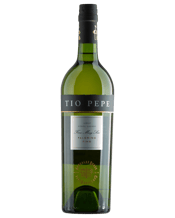
Fino is the driest style of Sherry you can get – it is high-acid and comprised of palomino fino grapes. Because it’s aged under flor (for a minimum of two years) it’s protected from the oxidation process, leaving the wine very bright and very saline. Drier styles, like fino sherry, are always served very chilled – any warmer than that and the wine begins to lose its complexity. Fino pairs fabulously with seafood, especially fried, though it does pair nicely with olives, chips and cured meats as well.
Our pick: Gonzalez Bypass Tio Pepe Fino
Manzanilla
Manzanilla sherry (this writer’s fave style) is essentially a fino that is made exclusively in the coastal town of Sanlúcar de Barrameda. It uses the same under-flor ageing process to impart that saline freshness to the wine, though manzanilla can often have a slightly nuttier aftertaste. Many have compared it to a Chablis, but we think it pips it in complexity. Being the lightest variety of sherry, manzanilla is fresh seafood’s best friend. Seriously, serve it chilled next to an oyster and you will die of happiness. Or if you’re not a fan of seafood – serve it with cured meats, like some fancy Jamón Ibérico.
Our pick: Emilio Lustau Light Manzanilla
Amontillado
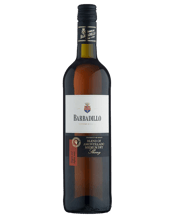
When flor begins to break down, the wine comes into contact with oxygen, changing its flavour and character. When this happens, you get an amontillado sherry. Also made with palomino fino grapes, it has a much deeper colour and a more distinct, rich flavour – forgoing some of the saline freshness of the fino style. Instead, you get a sauteed mushroom nuttiness in the wine that’s very umami and very delicious. Serve this closer to cellar temperature alongside some chicken or duck.
Our pick: Barbadillo Amontillado
Oloroso
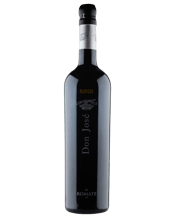
Oloroso is aged without flor, as it enters the solera system at a higher alcohol content which doesn’t allow the yeast to grow. Though seemingly less dry than fino or amontillado, oloroso sits firmly in the dry category. Oloroso’s apparent ‘sweetness’ is due to a chemical compound known as glycerol – a natural side effect of fermentation. This by-product gives the liquid a greater weight and texture, so much so that after ageing, oloroso gives drinkers the impression of sweetness. The name itself is Spanish for ‘fragrant’, a nod to its vibrant aromas and flavours, ranging from dried fruit to caramel, leather, tobacco and walnut. This type of sherry can be left in the barrel to age for up to 25 years and is usually full-bodied and dark. It’s crying out for a sharp cheese, a big hunk of beef or some dark choccy and, again, serve slightly cooler than cellar temperature.
Our pick: Sánchez Romate Don José Oloroso
Palo Cortado
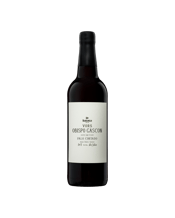
This is a rarer style of sherry that begins its life as an amontillado, but shifts unexpectedly when the flor yeast dies. The hardest style to define, even the rules of sherry production give it an ambiguous description. Essentially, this name is reserved for sherries that still resemble an amontillado in bouquet, but have adopted the thicker body and palate of an oloroso. A cross is drawn on the outside of the barrels to let the cellarmasters know that it’s neither amontillado nor oloroso, and should be left to do its own thing. This unique style of sherry deserves to be drunk on its own, at a temp slightly cooler than the cellar.
Our pick: Barbadillo Obispo Gascon 30-Year-Old Palo Cortado VORS
Pedro Ximénez and Moscatel
Sweet sherries are known by their grape varietal rather than a specific style. Pedro Ximénez is the king of sweet sherry, but is a bit of an acquired taste. PX pours almost black in the glass and has the same viscosity as thick oil. Unlike palomino fino grapes, PX grapes are harvested at higher sugar levels and laid out to raisinate in the sun for two weeks, concentrating the sugar. This sugar often means more alcohol is evaporated than water in the barrel and, so, when they’re bottled they often need to be fortified again. The end result? A sweet, rich, fortified wine.
A sherry labelled as ‘moscatel’ has a reddish hue and is made from either fresh or sun-dried moscatel grapes (much like PX wines). Moscatel vines make up just 2% of the Sherry Triangle and are only grown in the sandy soils around Chipiona.
Both of these guys are definite dessert wines that will love sitting next to a cheese board or a decadent pudding-style dessert. Enjoy them at room temperature.
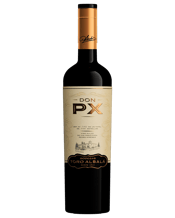
Our pick: Toro Albalá Don PX Gran Reserva Pedro Ximénez
Blends and creams
These can range from high quality to the stuff your grandma keeps on top of the fridge. Your run-of-the-mill cream sherry is basically an oloroso with sweet grapes like PX blended in, and was once the most popular of the bunch. These cheaper, less complex styles sit firmly in the sweet aisle, and work brilliantly drizzled atop some vanilla ice-cream.
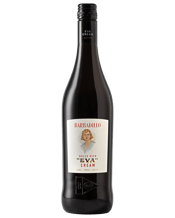
Our pick: Barbadillo Eva Cream Sherry
Australian Apera
Since Australia can no longer call its fortified wine ‘sherry’, Aussie winemakers have adopted the name ‘apera’ – a derivative of the word ‘aperitif’. Flor, the crucial component for making dry sherry, is not abundant down under and maintaining it is challenging due to unfavourable growing conditions. Many producers have tried and failed over the years. It wasn’t until Roseworthy College put in some serious research in the 1940s to understand the Spanish yeast that it was able to be produced in the same way Spanish sherry is made. Today you can find many of the same varietals made in Spain right here – with various tweaks to the recipe and solera system (depending on the maker). Though the sweeter PX styles still reign supreme across Australia.
Our pick: Wynn’s Coonawarra Estate Pedro Ximénez






%20(1)?$dans-daily-web-image$&hei=900)
?$dans-daily-web-image$&fmt=png-alpha&wid=800)