


What actually are ‘bitters’ and how to use them to your advantage.
If you’re anything like us, you grew up drinking the great Aussie classic Lemon, Lime and Bitters. That orange-hued, sweet and bitter drink that wiggled its way into our suburban childhood hearts. But why did this very humble drink have such a hold on our adolescence? It’s not the lemon, nor is it the lime – but the third more polarising ingredient: bitters. It’s the addition of the bitters that not only amplifies the flavours of the other ingredients, but also seasons the drink.
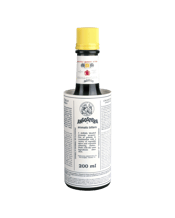
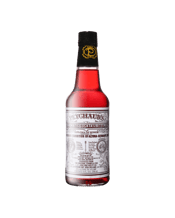
In the same way, bartenders have been using bitters to season cocktails for generations. A drop of orange bitters in a Gin Martini elevates the citrusy, bright flavours of the gin. A Sazerac is simply not the same without generous splashings of a Creole-styled bitters like Peychaud’s. And what would a Trinidad Sour be without its shot (yes, a whole shot) of Angostura? Before we get into the varieties of bitters and their individual importance and use, let’s take a closer look at the science and origin of bitters.

Click image to shop
Why would we want anything to taste bitter?
According to Mark Bitterman (check the name!), author of Bitterman's Field Guide to Bitters & Amari, bitter-tasting foods are dangerous, but also essential for health. In nature, bitterness in plants is evidence of deadly toxins, but they can also be a marker of healthy nutrients. “Our intrigue with bitter flavours is part of an exhilarating dance we play with food and drink; the enterprise of deriving nutrition and stimulation from a bountiful but occasionally treacherous natural world,” Mark explains. Poetic, huh? But for real – our very natural repulsion to bitter flavours derives from the fact that our ancestors were likely poisoned by bitter plants. Yeesh. So, when we consume something bitter, our brain sends out some pretty sharp warning signals (is this thing safe to consume?!) and we‘ve kind of evolved to reject these interesting and intense flavours through our sensitive palates. BUT, there are definite cases where bitter equals good – especially when it comes to “seasoning” our cocktails.
Despite the name, bitters aren’t designed to make your drink taste bitter, but rather enhance the other flavours and provide stunning aromatics. If you tried to drink a sip of bitters on its own, it wouldn’t be too pleasant, but in small amounts they give cocktails an extraordinary complexity and depth of flavour. Hence why many bartenders refer to them as the “salt and pepper” of cocktails.
What is Angostura Bitters?

Click image to shop

Click image to shop
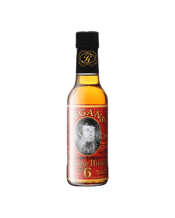
What are orange bitters?
Bitters truly come in all shapes and sizes. You’ll find everything from celery bitters to chocolate bitters, with a huge amount of variety in between. Here’s some of our favourites:
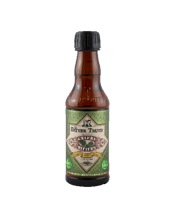
- The Bitter Truth Celery Bitters (especially good in this Gin Sour recipe)
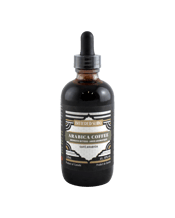
- Bittered Sling Arabica Coffee Bitters
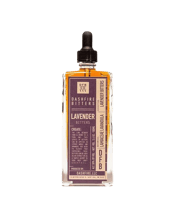
- Dashfire Lavender Bitters
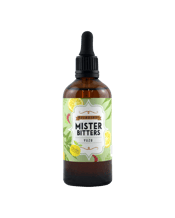
- Mister Bitters Yuzu Bitters
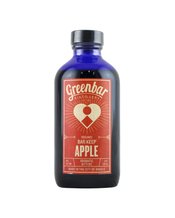
- Greenbar Distillery Baked Apple Bitters
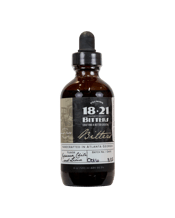
- 18.21 Japanese Chilli and Lime Bitters
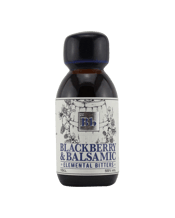
- Elemental Distillers Blackberry and Balsamic Bitters
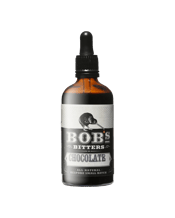
- Bob’s Chocolate Bitters
Bitters are used as a finisher for drinks. The final seasoning. They can be used to enhance even the most basic of drinks – like a Gin and Tonic – or to add further complexity to elaborate cocktails.
In the same way a food recipe might call for ‘a pinch of salt’, cocktail recipes often specify a ‘dash’ or ‘drop’ of bitters. It might seem annoyingly unspecific, but they really do mean a dash. Shake the bottle once over the drink to release just a teeny amount (AKA a dash) – equal to roughly 1/8th of a teaspoon. A little goes a long way, so taste, then add more if needed. Generally, bitters bottles have what’s called a ‘dasher top’ – a small spout that allows for single dashes of bitters to come out with each shake. Some might have a dropper top (similar to those used for eyedrops), with a single drop being roughly equivalent to a dash.
As mentioned, bitters can be used to season cocktails like a sprinkle of salt on your eggs, but it can also be a defining characteristic of a drink. Here are a few of our favourite bitters-forward cocktails.
- The Trinidad Sour calls for a full shot of Angostura, which is mixed with rye whiskey, sugar syrup and lemon juice. It won’t be to everyone's taste, but if you love bitter flavours, give it a go.
- The Port of Spain cocktail has a very generous half-shot of Angostura mixed in, together with mezcal, sugar syrup and lime juice.
- The Sazerac not only features the aniseed flavour of a Creole-style bitters like Peychaud’s, but also calls for a dash of aromatic bitters like Angostura.
- The Vieux Carré is a bit like the Manhattan cocktail, but it mixes in a Creole-styled bitters like Peychard’s and a dash of Angostura as well.
- The white variation of a Rob Roy uses a dash of Creole-style bitters for a little aniseed kick, while the traditional Roy Roy adds a couple of dashes of Angostura.
- And, of course, Cara Devine’s Gin Sour with Celery Bitters uses a celery bitter (duh).
We generally like to use aromatic bitters in cocktails made with an oak-aged liquor (think whiskey or bourbon), citrus bitters in cocktails made with white spirits (like vodka or gin), and celery bitters in savoury cocktails made with vermouth or sherry.
Of course, this is just a short list of the many, many cocktails that feature bitters. Don’t be afraid to try new flavours or add a dash of flavoured bitters into your classic cocktails for truly exciting twist.




%20(1)?$dans-daily-web-image$&hei=900)
?$dans-daily-web-image$&fmt=png-alpha&wid=800)