These spirits are globally loved, criminally slept on.
What’s the best thing about travelling overseas? I’ll go first – it’s trying all the local food and drinks. Honestly, it’s hard to think of a better insight into another culture than through the flavours, ingredients and rituals that go with everything that gets local taste buds tingling. And in plenty of cultures, there’s a special place reserved for local spirits and liqueurs.
Some of them are pretty obvious, even from afar – bourbon whiskey in America or tequila in Mexico, for example – but you might be surprised at how many blockbuster local drinks slide under the radar. With that in mind, we’ve rounded up 11 big-time spirits and liqueurs from around the world that you might not know so well but you’ll definitely want to.
Put these on the must-try list for when you travel, or seek ’em out here in Australia. Either way, you’re in for a treat.
Click image to shop
1. Brazil: Cachaça
One cocktail rules them all in Brazil: the Caipirinha. In classic South American fashion, it’s a simple blend of sugar, lime juice and white spirit that is way beyond the sum of its parts – one of the reasons being Brazil’s unique national spirit, cachaça.
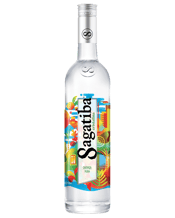
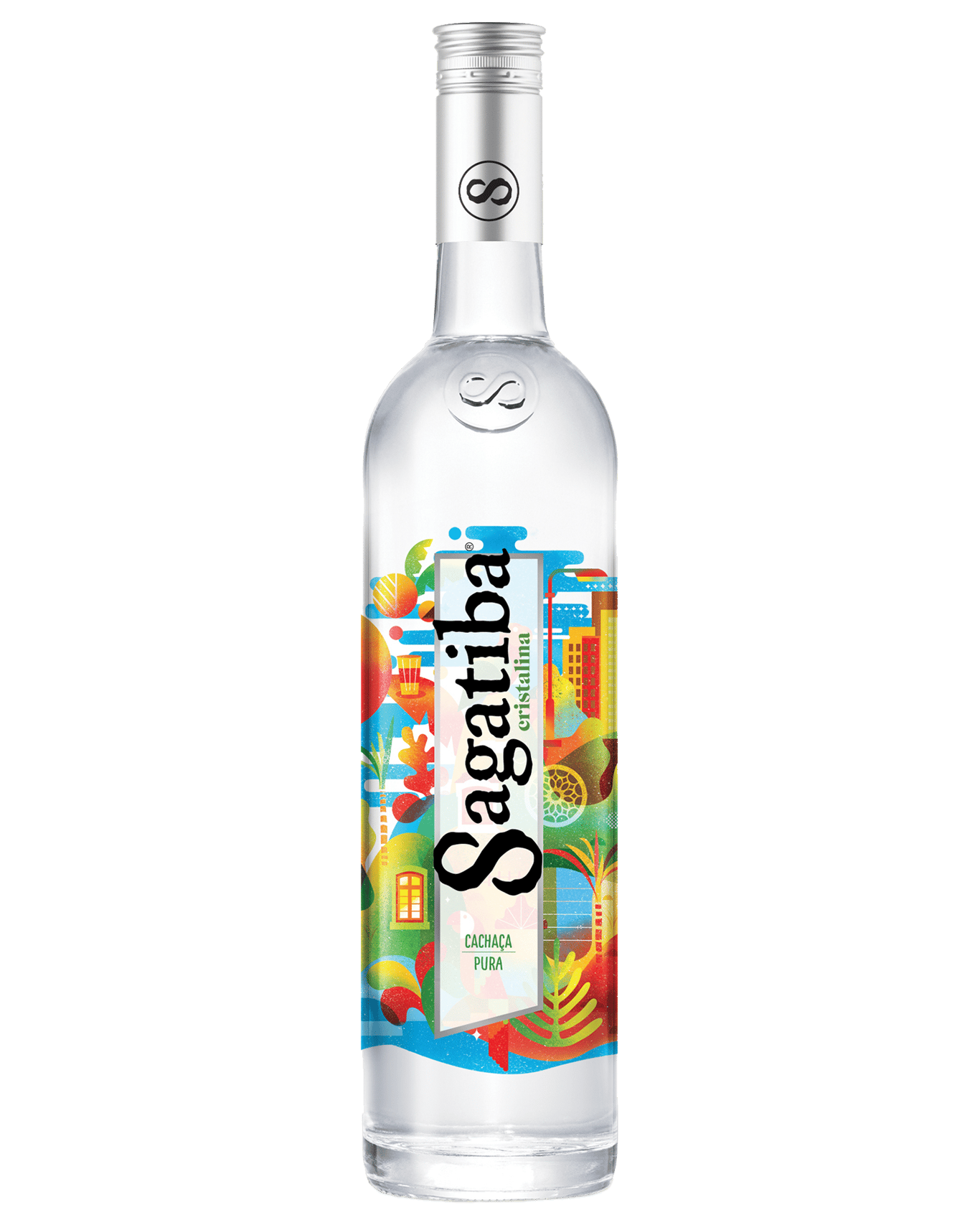
Cachaça is sort of like white rum in that it’s a clear spirit distilled from sugarcane but, whereas rum is usually distilled from molasses, cachaça is made from sugarcane juice. The resulting spirits – like Sagatiba Cristalina Cachaça – are usually light bodied, carry a touch of sweetness and have some distinctive grassy, earthy and fruity notes. It’s a winner in Brazilian classics like the Caipirinha and Rabo de Galo but, honestly, sub it in anywhere you’d use a clear spirit to inject a little southern flair.
2. China: Baiju
There’s a funny phenomenon that happens when Americans investigate what cricket is all about – they’re always shocked to find that a sport not played in their country is one of the most popular on the planet. Well, it’s a similar story for the Chinese spirit baijiu – often labelled as the most popular spirit in the world.
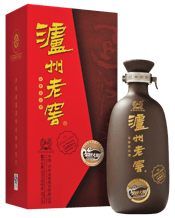
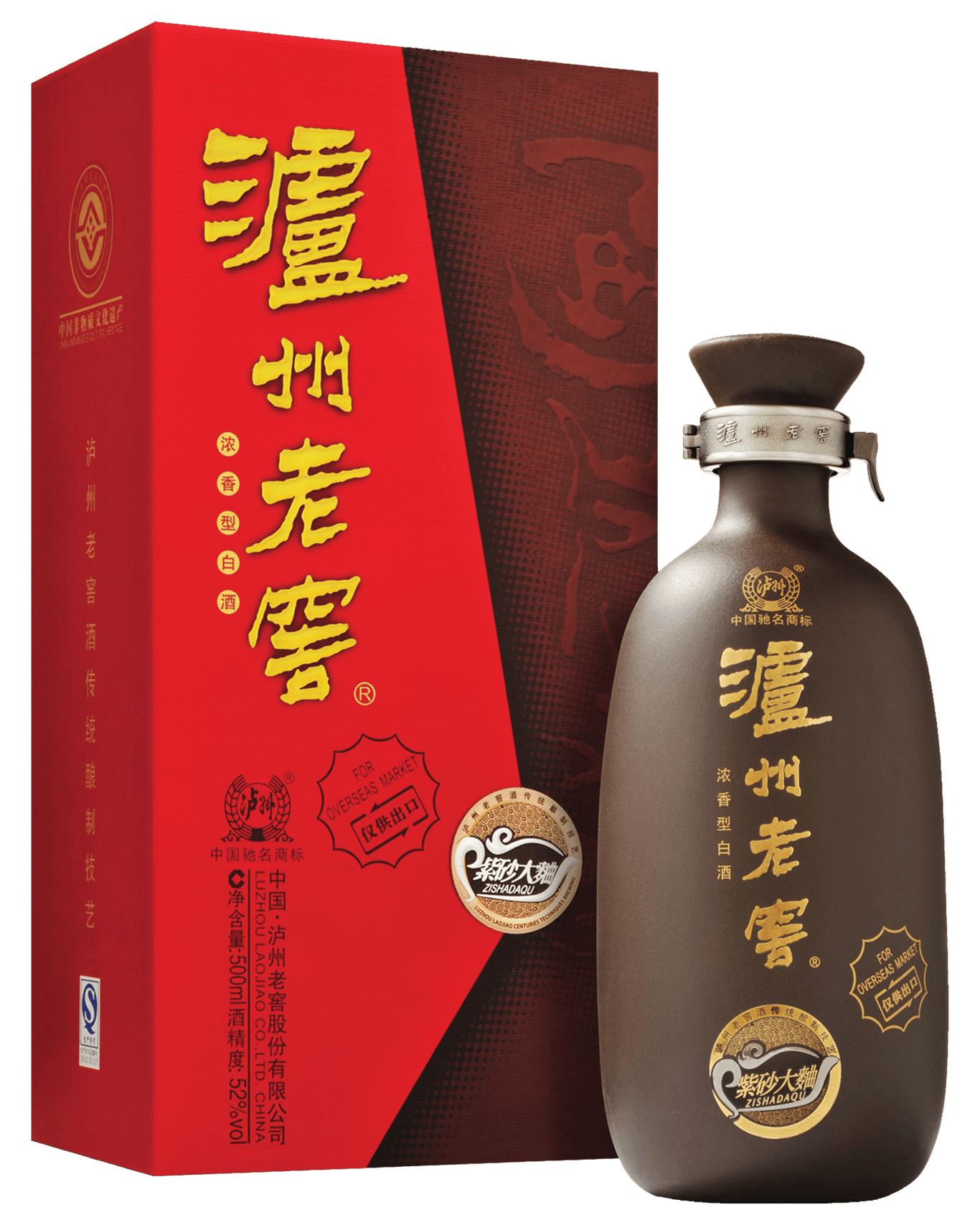
While we don't drink nearly as much baijiu in Australia, the spirit is quintessentially Chinese, being a classic pairing with food and part of the ritual of shared meals. Baijiu is aromatic, complex and equally at home served neat (which is traditional) or as part of a fruity punch or cocktail – especially if you use a baijiu like the one from Luzhou Laojiao, which shows off some pear and peach notes.
Click image to shop
Click image to shop
3. Italy: Grappa
Grappa is an Italian spirit that’s a type of pomace brandy, which means it’s distilled from all the bits that are left after wine is made, like skins, seeds, stems and pulp. Traditionally, grappa has been a great way to avoid waste in winemaking but, these days, it’s becoming a bit more of a boutique craft spirit.
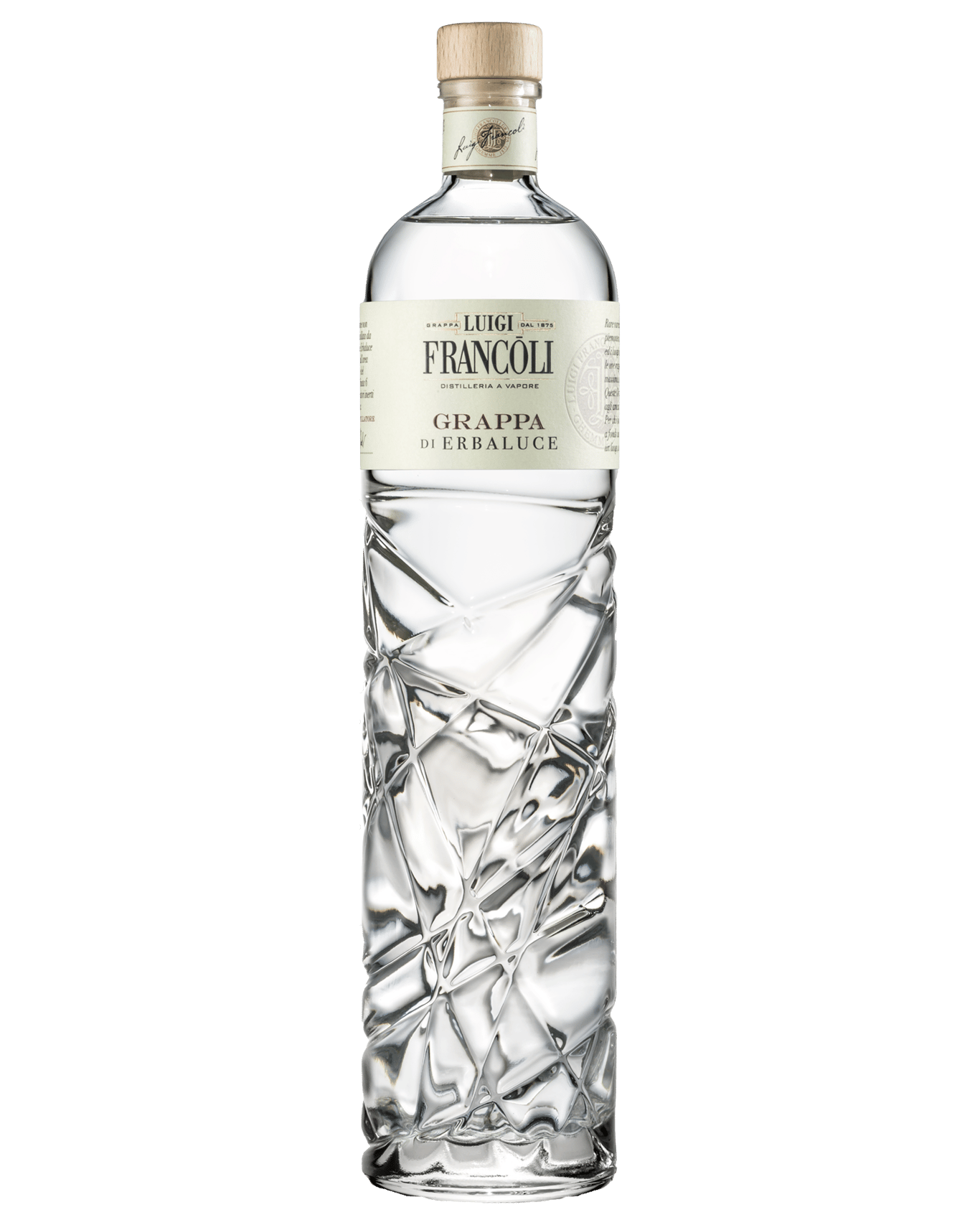
Grappa is traditionally a clear, unaged spirit served after a meal, often alongside coffee. The grape it’s made from can make a difference and you’ll often see this as a specific selling point – as in the case of one of our favourites from Luigi Francoli, made from the rare erbaluce grape. It’s spicy and clean so best served neat, but it would add a real dimension to a bitter Negroni.
4. Chile/Peru: Pisco
Pisco is another South American spirit that doesn’t get enough credit on our shores. It’s also a brandy but, unlike grappa, pisco is made from wine rather than wine byproducts. We’ve already covered Pisco in detail so we won’t go too deep here but, in short, it’s wine that is distilled into a spirit.
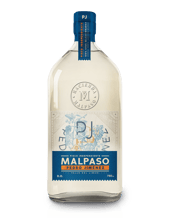
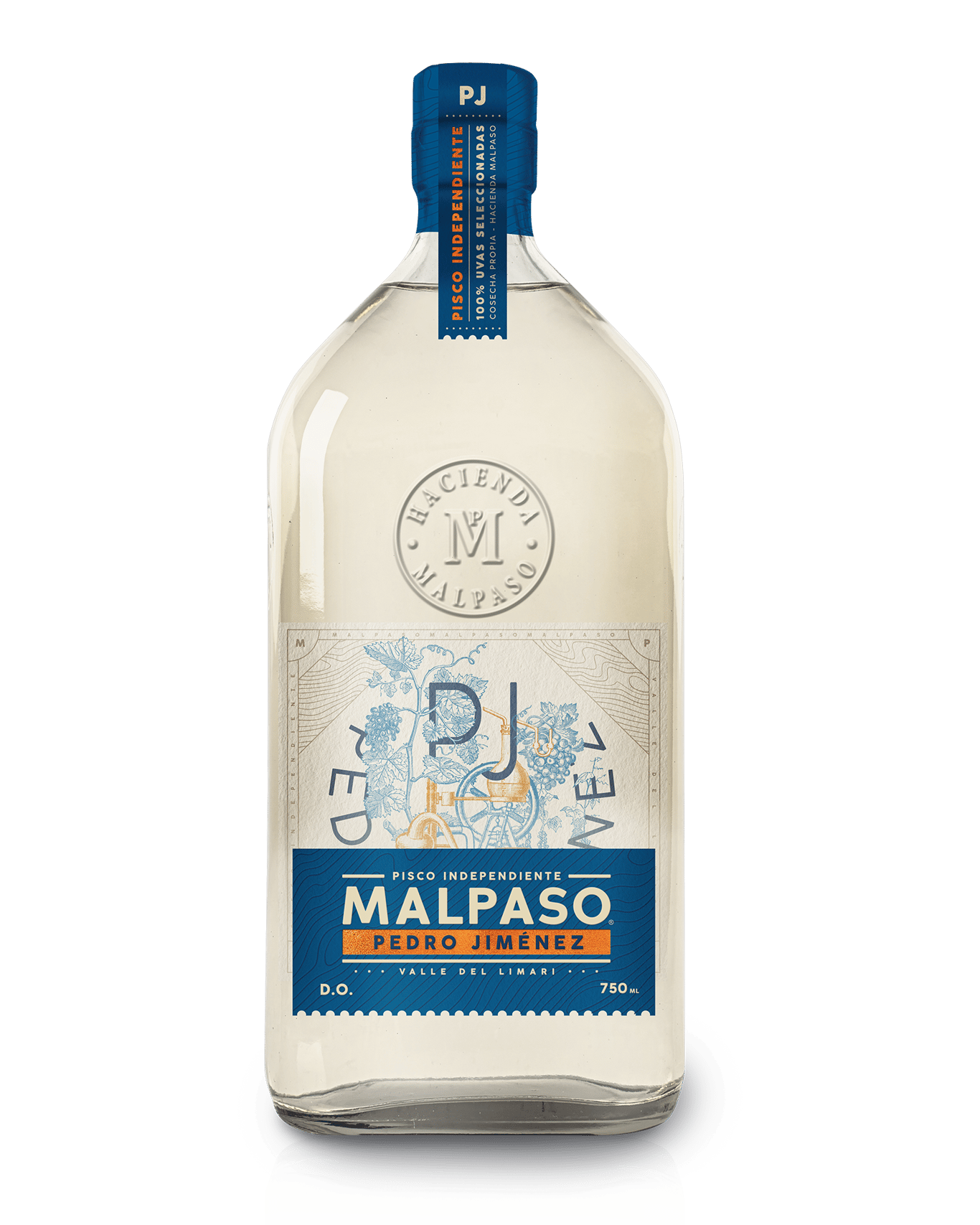
If you’re drinking pisco, expect some lightly sweet, tropical flavours, notes of herbs and spices, and a soft mouthfeel. The classic serve is the Pisco Sour (a frothy blend of lime juice, sugar, pisco and egg white) but a soft, flavoursome spirit like Malpaso Pisco Reserva is a great candidate for enjoying neat.
Click image to shop
Click image to shop
5. Eastern Europe: Slivovitz
Slivovitz is a fruit brandy (the world loves brandy, what can we say?) made exclusively from Damson plums. So popular is this particular plum brandy that you’ll find it all over Southeastern Europe in places like the Czech Republic, Slovakia and Croatia, with each country linking their national slivovitz with unique traditions, production practices and servings.
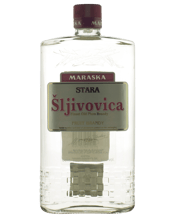
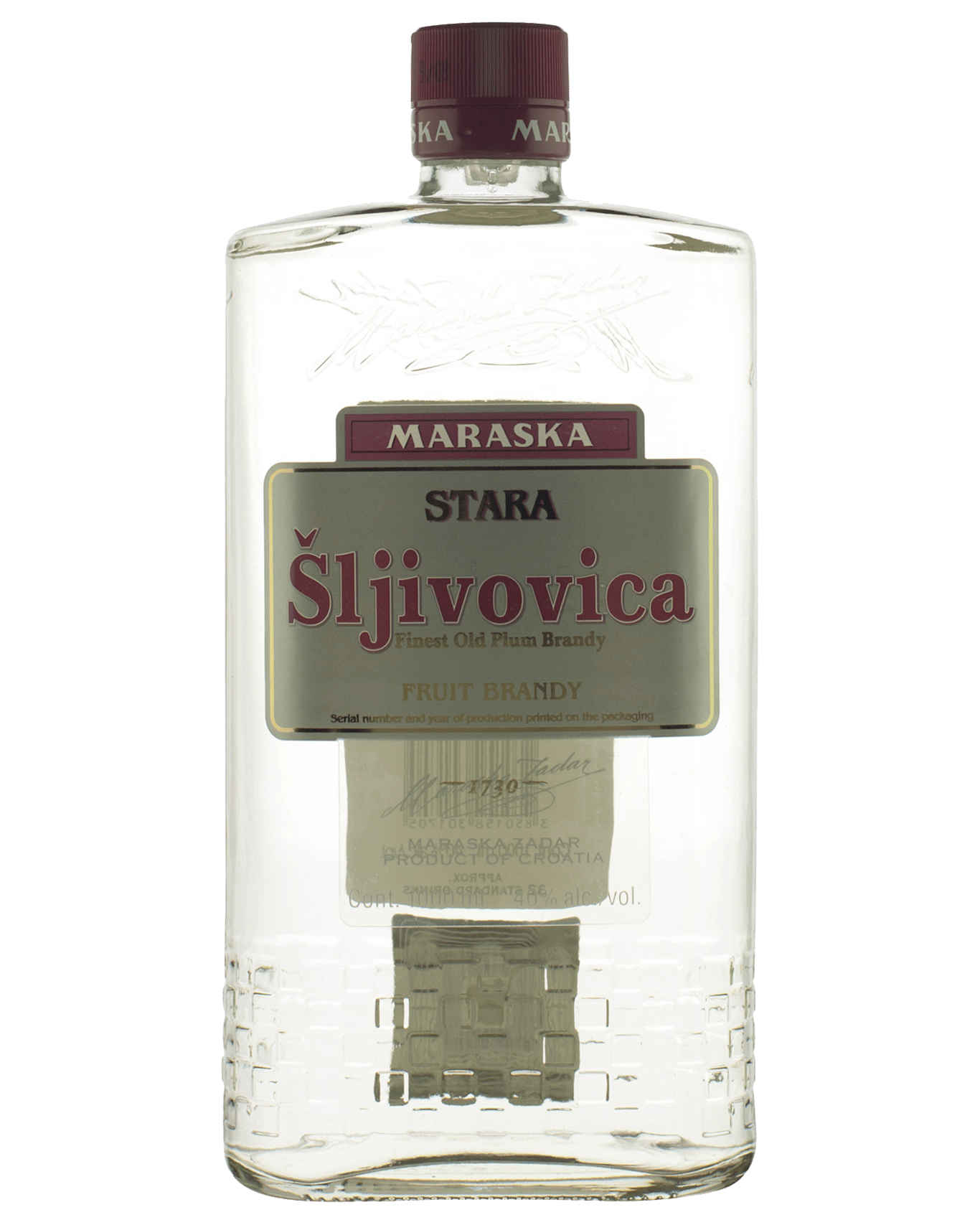
If you’re popping through the Balkans, definitely try the multitude of local variations. If you’re staying home, though, we recommend starting with something like Maraska Sljivovica, a Croatian spirit that preserves the natural fruitiness of the Damson plum. Serve it in any of the classic forms – neat, chilled and straight, or warm (ideally as part of a Mulled Wine or cider). Otherwise, sub it anywhere you’d use a brandy – like a Brandy Alexander.
6. Lebanon: Arak
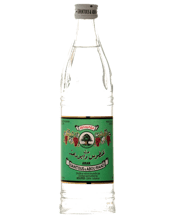
Arak is big news all across the Levant, although nowhere celebrates the spirit quite like Lebanon. Technically, arak is a brandy, although the base spirit (made from local grapes) takes a backseat to the main flavouring – aniseed.
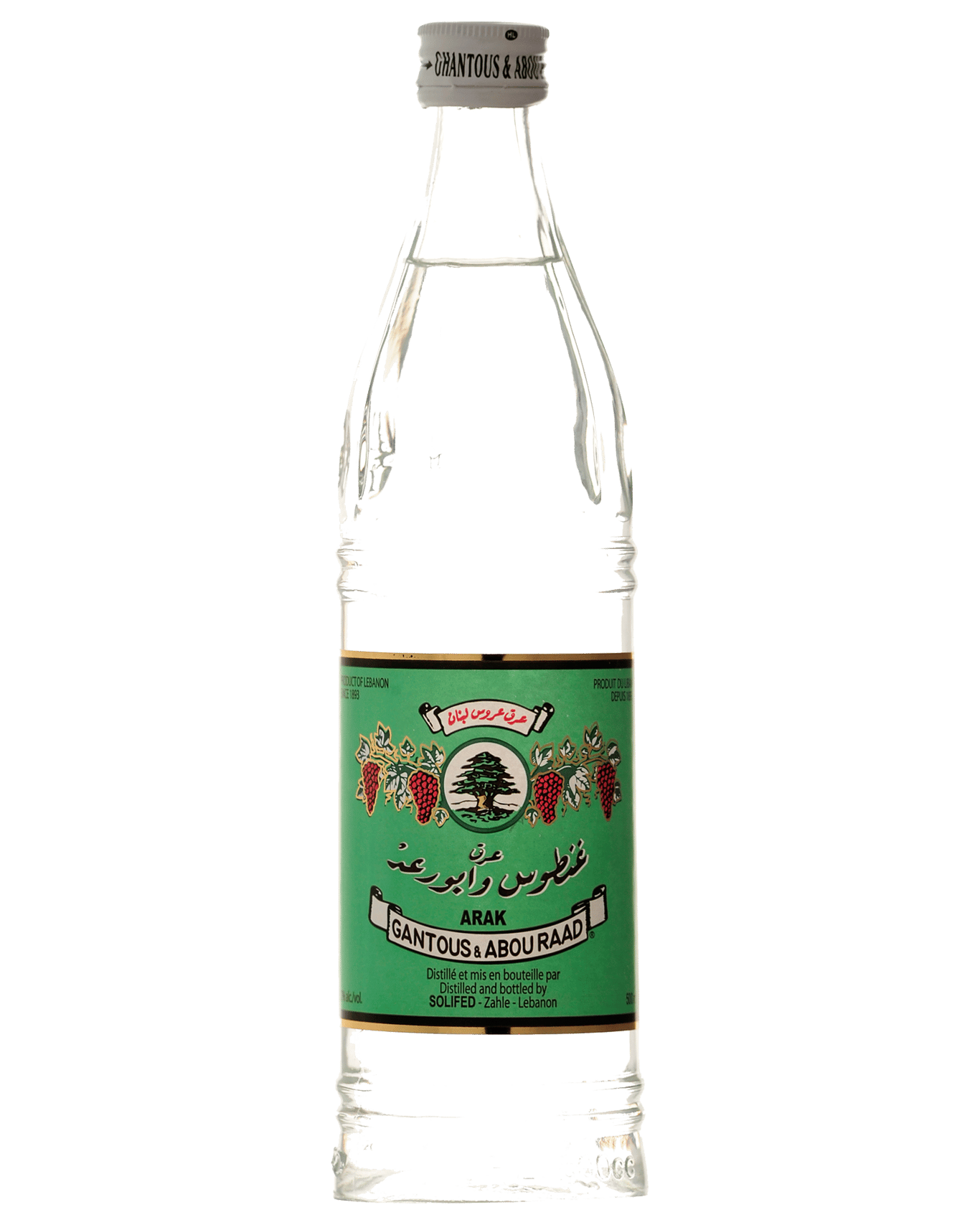
A traditional serve of arak and water (in a 1:2 ratio) is a great place to start with this flavoursome spirit, but it’s definitely not the end. We’d suggest grabbing a bottle of Gantous and Abou Raad and following the lead of our favourite hummus-obsessed chef Tom Sarafian, whose pineapple, basil and arak sorbet really lets the aniseed flavour shine.
Click image to shop
Click image to shop
7. Japan: Umeshu
Whether it’s pickled to add a salty-sour pop to rice dishes, brewed like tea or turned into a sweet plum jam, Japan’s love of the ume plum is very real. For us, there’s one more preparation that beats them all – umeshu.
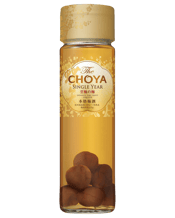
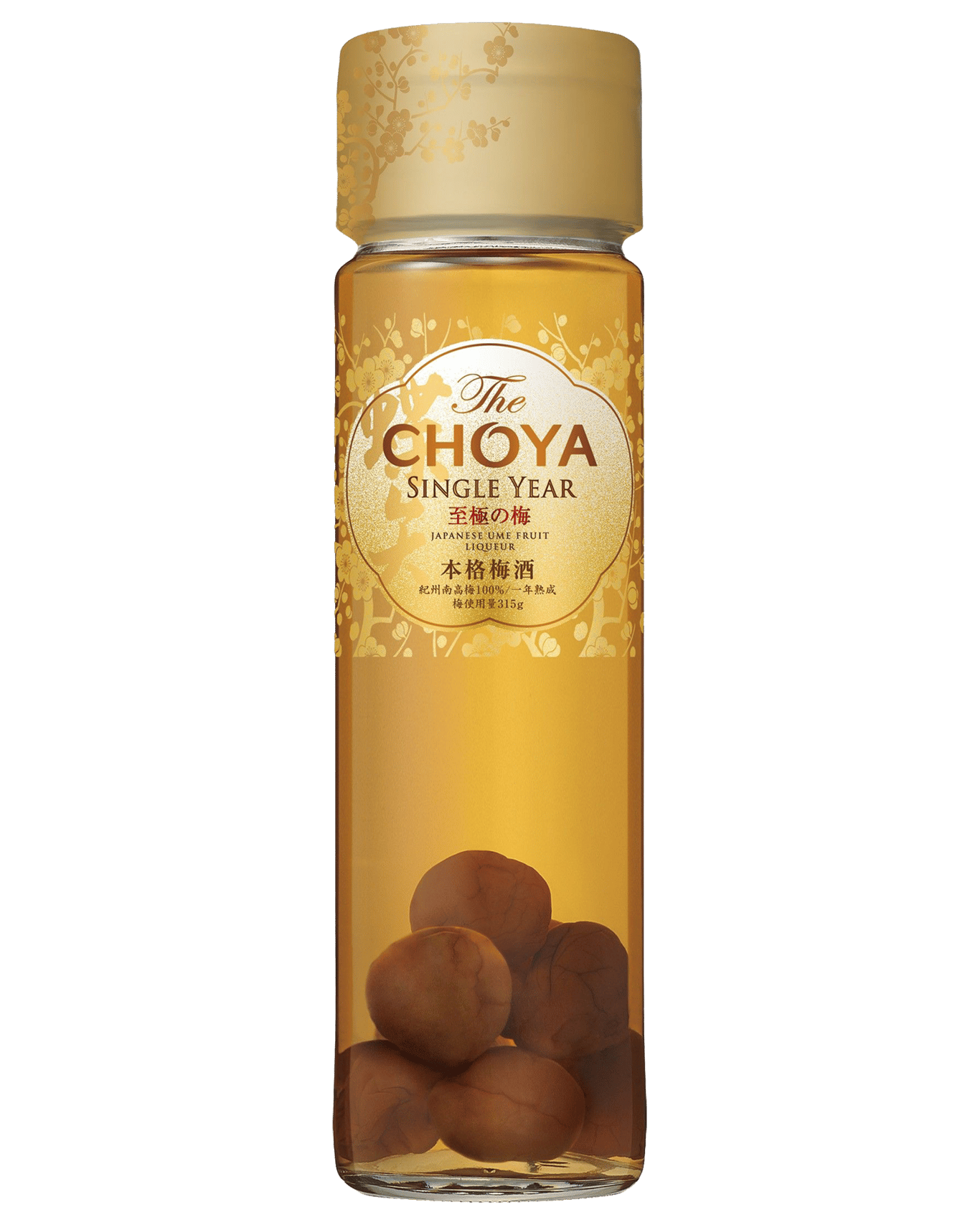
Umeshu is made by steeping unripe ume plums in shochu (a Japanese neutral spirit) and sugar, resulting in a sweet, sour, relatively low alcohol (10–15% ABV, usually) liqueur. Examples like Choya Golden Ume (which preserves a bunch of the titular ume in the bottle of the bottle) are traditionally served over ice, but highball-style (that is, topped with soda water) is a good bet, too. Or use it in Wen Wang’s El Zesty Panta, which puts a different spin on the Marg.
8. Italy/Argentina: Fernet
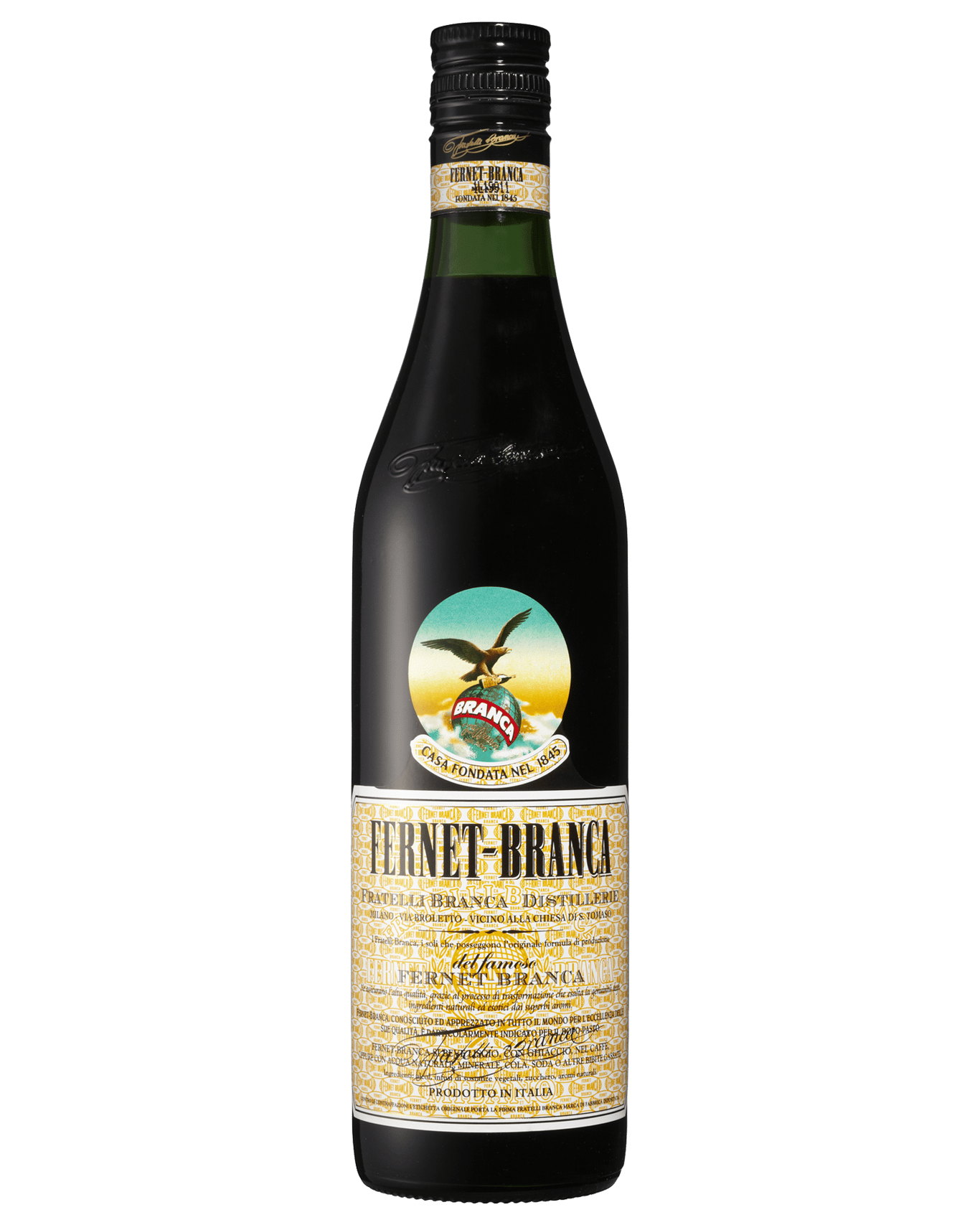
Fernet is a type of amaro, which is a family of bittersweet liqueurs flavoured with herbs and roots and citrus peels. Fernet takes the classic flavour profile and ramps it right up to become a potent, bitter, highly aromatic liqueur that quickly makes its presence known. If you've ever worked a hospo job, you're likely familiar with the stuff – it's a favourite knock-off sip and commonly referred to as the "bartender's handshake".
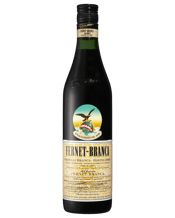
While it’s Italian in origin, Fernet has become associated with Argentina because, frankly, they bloody love it there. Regardless, we’d suggest grabbing a bottle of the iconic Fernet-Branca, which blends dozens of botanicals to create the complex one-two punch of bitter and sweet that is Fernet’s signature. Drink it straight, on ice, with cola (‘fernet con coca’ in Argentina) or use it in any cocktail that calls for a bitter amaro.
Click image to shop
Click image to shop
9. France: Calvados
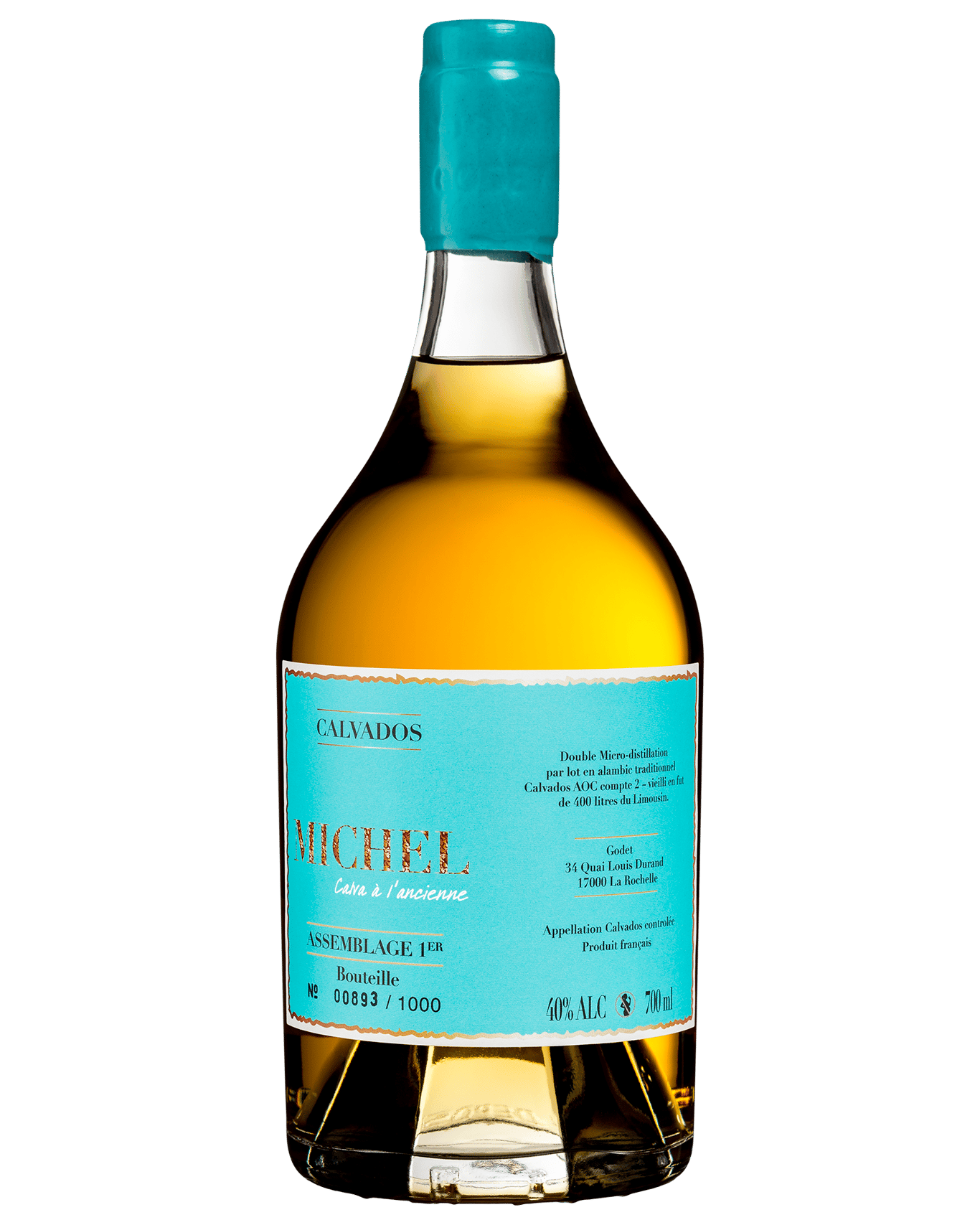
Calvados is a type of apple or pear brandy from Normandy in France. To make calvados, apples and pears are picked (and there’s hundreds of types to choose from, ranging from tart and bitter to sweet) and fermented into a dry cider, which is then distilled into a spirit. Age it for at least two years in oak and you have your brandy.
Like a lot of the aged brandies, there’s a huge spectrum of quality and flavour to choose from but, generally, you’ll get fresh apple and pear flavours backed up by leather, wood, dried fruits and nuts. Bottles like Godet Calvados Michel are best sipped neat from a wine glass or fluted spirits glass, allowing the aromas to really develop and the spirit to ‘open up’.
10. Mexico: Sotol
When it comes to Mexican spirits, sotol sits in the long shadow of tequila. Well, we’re here to give Chihuahua’s spirit of choice some long overdue recognition.
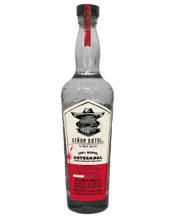
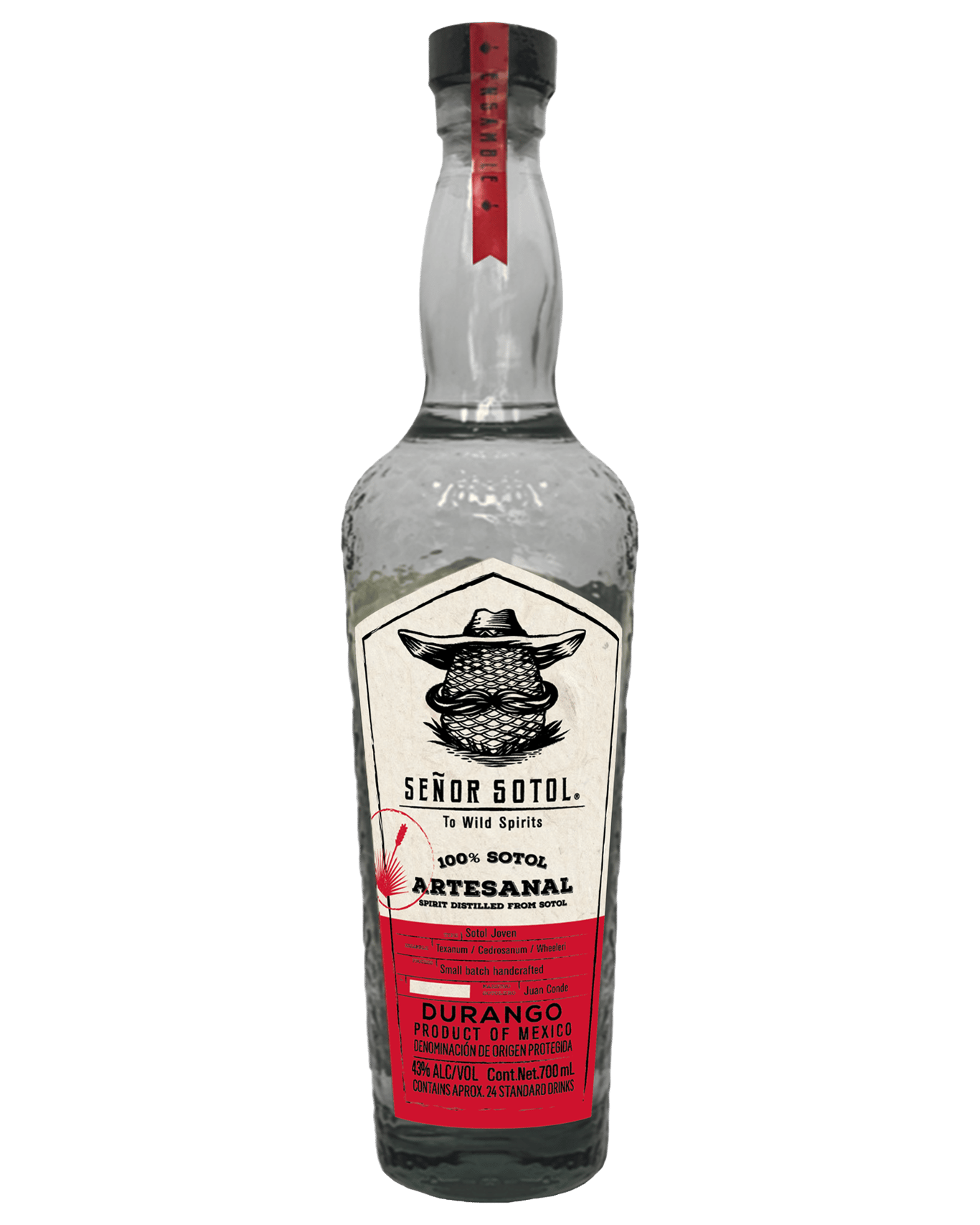
Sotol is distilled from a spiky succulent plant called Dasylirion – the outer leaves hacked away to reveal the core, which is fermented and distilled. The result is definitely in the same world as tequila thanks to its smoky and earthy flavours, though it can be a little brighter. While you won’t find sotol everywhere in Australia, there are some great examples, like Señor Sotol Ensamble, which has flavours like chocolate, peppermint and tobacco. Serve it neat, paired with a cerveza or in a zesty cocktail like a Paloma.
Click image to shop
Click image to shop
11. Scandinavia: Aquavit/akvavit
Aquavit (or akvavit) is all about caraway seed, which gives the spirit a cooling, juniper/aniseed sort of flavour. It’s by far most popular in the Nordic countries like Denmark, Sweden and Norway, but aquavit shouldn’t be overlooked if you’re hunting for a unique, delicious spirit for your bar cart.
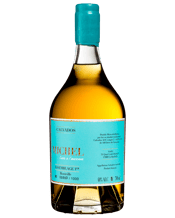
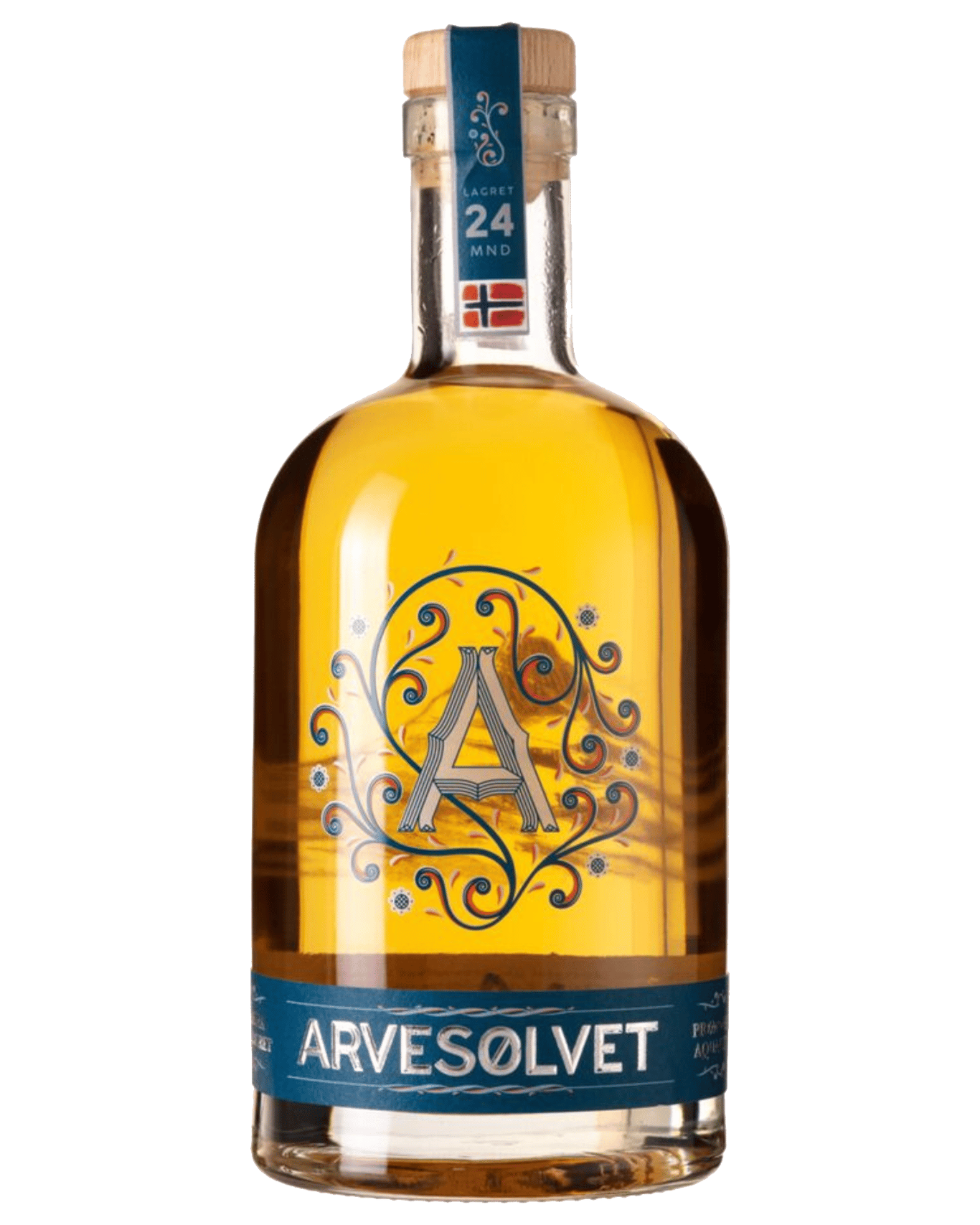
Like so many spirits, there are rules here (it has to have either caraway or dill seed as the main botanical) but there’s plenty of scope to innovate. Classically, that might mean adding flavourings from flowers, herbs or berries, but aquavit can also benefit from some barrel ageing – as in our pick from Det Norske Bryggeri, which is aged in Oloroso sherry barrels. Traditionally, aquavit is served neat or with a beer, but the botanical bill means this could easily sub for gin in your favourite cocktail or a G&T.