


Forget about remembering all the wine names – we’ve made choosing a white wine a whole lot easier.
Names are hard, but we always get there in the end. It’s like when you’re talking about someone whose name you can’t remember, so instead you resort to descriptions like, ‘The tall one with fuzzy hair and squeaky voice’ or ‘That guy who always talks about The Simpsons and wears Crocs with jorts’. We both know who we’re talking about, so what’s the big deal?
The same thing applies to wine. In fact, we reckon style descriptions – like the way a wine tastes, smells or feels – are better at helping you find the sorts of wine you want to drink than just knowing your sauvignon blanc from your semillon. That’s the idea we want to get across here – that even if you don’t know what your ideal white wine is called, you can still figure out what you want to drink and find something that works for you. It’s something we’ve already covered in our guide to white wines by weight. As long as you can imagine the type of wine you want to drink, you can find it.
So, forget academic expertise and learning all the grape names – finding your ideal white wine can be as easy as seeking out the flavours, aromas and textures you love most.
These are the white wines that make our mouths feel alive. With the fresh and zesty set, bright flavours seem to burst out like popping candy, while a zippy whack of acidity makes every sip seem like the best one yet. These wines are crisp, light and refreshing – the perfect wines for barbecues, seafood platters or when you want to really taste a wine.
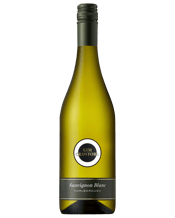
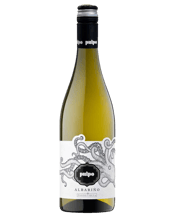
Some of our faves in this style are sauvignon blanc (especially from Marlborough, like Kim Crawford), which often has a bright, juice-like acidity with plenty of tropical fruit flavours to back it up, and albariño (like this ripper from Pulpo), which is light, dry and full of crunchy green-apple flavours.
Grapes to look for: Dry Aussie riesling, sauvignon blanc, young semillon, albariño, vermentino, muscadet and light styles of pinot grigio.
Typical flavours: Green apple, citrus juice, tropical fruits and pear.
Food matches: Grilled prawns, oysters, fried fish, salty snacks, Asian noodle dishes and a bucket of chips.
It’s always halfway through assembling a stubborn flatpack or crawling along in peak-hour traffic that we wish things could be easier. Not everything has to be a challenge, right? Well, same goes for wine. While we’re not going to build that bookcase for you (sorry, gang), we’re happy to share some easy-drinking, fruity whites.
These wines have fruity flavours upfront, tend to be light (but not too light), aren’t overly acidic and are the perfect middle ground for just about all palates. They also tend to be quite dry, despite the fruitiness. When we’re looking for fruity, easy-drinking white wines, we love a good pinot gris with soft acidity, a touch of texture and ripe pear flavours – like the classic example from Innocent Bystander. It’s a perfect people pleaser when you’re catering for a crowd.
Grapes to look for: Pinot gris, unoaked chardonnay and chenin blanc.
Typical flavours: Pear, peach and melon.
Food matches: Soft cheeses, grilled white fish, barbecued veg and light pasta dishes.

There’s an assumption that white wines can’t be big and bold like reds, and it’s just not true. Plenty of textural and creamy white wines can feel rich and substantial, like taking a bite out of a fresh hunk of buttered sourdough. You’ll get silky smooth textures and flavours that span creamy, nutty, bready and all points in between.
White wines tend to become creamy and textural with a little age or some oak, but don’t get too distracted by the technicalities – it’s all about looking for the styles that give us the rich, velvety mouthfeel we’re after. Chardonnay is a classic (especially anything advertising itself as ‘buttery’ or oaked – like Greasy Fingers Chardonnay), while Tahbilk Marsanne and Yalumba’s Y Series Viognier are classics of the genre – especially with a little age.
- Grapes to look for: Marsanne, roussane, viognier and oaked chardonnay.
- Typical flavours: Toast, bread, nuts, honeysuckle, peaches and nectarines.
- Food matches: Creamy pasta, oily fish, fried chicken and Caesar salad.
These wines are loud and proud, announcing their arrival as soon as the bottle is open – to our noses, at least. This can be a great thing for white wine because these aromatic styles can be a lot of fun to drink, a little different to your typical whites and excellent food matches.
With aromatic and floral wines, you might get aromas of Turkish delight and lychee (as in Dopff Gewurztraminer), a potent perfume of lemon-lime (like you get from the classic Grosset Polish Hill Riesling), or a waft of lolly musk stick (typical of muscat/zibibbo). These big-whiff wines are perfect on their own but, with so much going on, they can stand up to food with big flavours that might dominate other white wine styles. Consider these your new best friends for a BYO.
- Grapes to look for: Gewürztraminer, soft, aromatic riesling, muscat/zibibbo, torrontés and savagnin.
- Typical flavours: Turkish delight, lychee, musk, orange blossom and lime cordial.
- Food matches: Spicy noodle dishes, Thai curries and stinky cheeses.
These wines are pretty much the opposite of the aromatic and floral wines above. Dry and mineral wines are usually quite restrained, with subtle flavours and aromas, but they’re often backed up with plenty of acidity and texture. Some can be almost ‘neutral’, which is by no means a bad thing; this might be exactly what you’re looking for in a wine.
Mineral, as a wine descriptor, usually means stone-like or steely flavours, but they’re usually very low profile. Combined with a bone-dry palate and (usually) a nice bit of acidity, we reckon dry and mineral wines are some of the best for certain food pairings. Muscadet and Chablis have a reputation for being an oyster’s best friend, thanks to zippy acidity that’s like a little squeeze of lemon juice, but we also love a grüner veltliner like Longview for this reason. On the other hand, fiano (like Oliver’s Taranga) can be a little more full-bodied, but still nice and dry.
- Grapes to look for: Muscadet, fiano, chardonnay (from Chablis) and grüner veltliner.
- Typical flavours: Stoney/steely minerality, pear, stone fruit and citrus.
- Food matches: Raw seafood, grilled white fish, goats cheese and sushi.
Forget any negative press about sweet white wines – they can be just as sublime as any other style on this list. Sweetness can bring out the flavours of a wine, match with a bunch of foods and even help it age. Sweetness adds depth and complexity to a wine, with concentrated fruit flavours, texture and enough acidity to keep it all in balance.
Sweet wines can work with dessert, of course, but they’re also great with cheeses and even spicy foods. Plenty of sweet wines now have a scale on the back of the label to show just how sweet they are, so we recommend having a look at that first. Some, like those labelled ‘off-dry’, won’t be super sweet, while dessert-style wines (like the Bethany Late Harvest riesling) will be more intense.
- Grapes to look for: Riesling (especially late-harvest and many German styles), gewürztraminer, moscato, muscat/zibibbo and dessert-style wines (botrytis/noble rot/late harvest).
- Typical flavours: Candied fruits, tropical fruit and citrus.
- Food matches: Spicy noodle dishes and curries (for off-dry styles), cakes and sweets (for the sweeter styles) and salty cheeses, especially blue.


?$dans-daily-web-image$&fmt=png-alpha&wid=800)

