


How old is “old”? And does that mean the wine is better? We find out.
If you’ve spent any time browsing the wine aisles at Dan’s, you’ve probably spotted a label or two that shouts about its old vines. Or maybe you’ve seen old-vine wine referenced on a restaurant’s drinks list. It sounds pretty special, but what does it actually mean? “Old vine” gets thrown around a bit, but it’s not always clear what it is, or why these wines tend to come with a little more prestige, and, in turn, a higher price.
Here in Australia, many of our wine regions are full of old vines. We actually have some of the oldest vines in the world, despite the fact our nation’s wine-growing history pales in comparison to others (we’re talking right back to BC, in some cases). So, what makes these gnarly old vines so special? And what can you expect from these wines? Here’s what you need to know.
The first thing to note is there’s no universal legal definition of what constitutes “old vines”, so vine age will differ greatly from one wine to another. Ultimately, though, the term suggests that a wine has been made from mature vines. In general terms, vines are considered ‘adolescent’ until they’re about 20 years old, and they start to mature after that. Of course, our oldest vines are way older than a couple of decades, with a range of grape varieties across the country dating as far back as the 1840s.
Another key thing to note is that just because a vine is old doesn’t necessarily make it good. Not all old vines will produce good grapes – or any at all, sometimes. As a vine ages, it will produce less fruit, but the best ones will develop more concentrated and intense flavours. This can be due to these vines developing deeper root systems over time, allowing them to reach more complex soils and other nutrients. As always, though, vine quality will hinge on the care they receive, climatic conditions, winemaking techniques and a host of other variables. Lower yields and higher quality are a big part of why you might find these wines cost a little more than the average bottle.
When countries like Georgia, France, Italy and Greece have centuries of wine-growing history, it’s strange to think that Australia claims some of the world’s oldest vines. But many of Europe’s vineyards were exposed to the phylloxera bug in the 1800s, which wiped out a lot of vines; some put the loss at 90%. Our early vignerons in Australia, however, had already planted cuttings at the time, and many sites are still thriving today.
Our oldest vines include everything from shiraz and grenache to pinot noir and semillon, among others. Best’s Great Western and Tahbilk are just two Victorian wineries proudly making great wine from old vines, while a range of South Australian regions also come with a long history and old plantings, especially shiraz, cabernet sauvignon and grenache. Some of our other historic regions include the Hunter Valley in NSW, Victoria’s Rutherglen and Swan Valley in WA.
Click image to shop
Old-vine wines to try
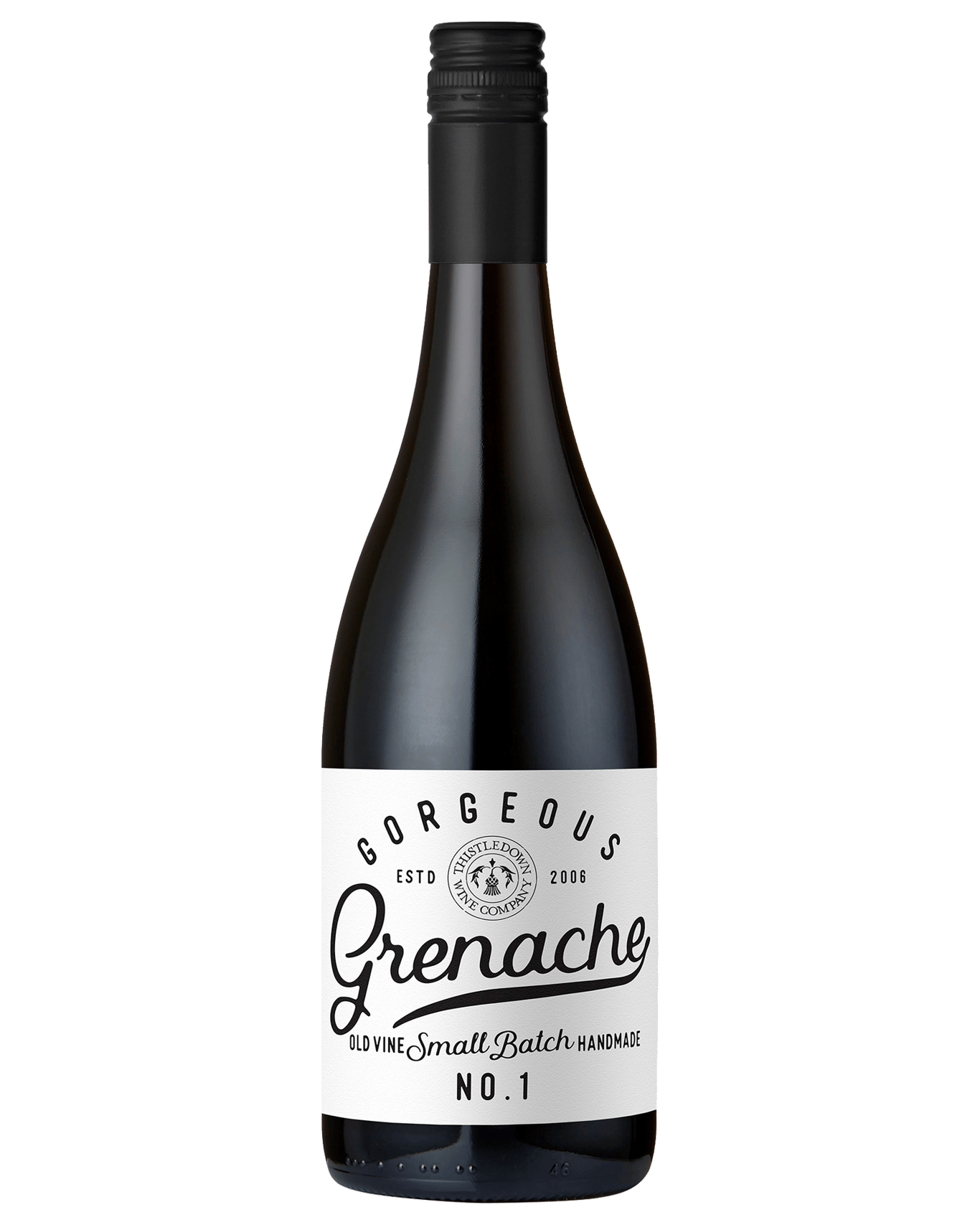
Apologies to anyone outside of NSW and Victoria – this wine is a little harder to find at Dan’s, but we’re including it because it shows that you don’t always have to spend a heap for a quality old-vine wine. This grenache is perfumed, juicy and pinot-like, with hints of strawberries and violets, all wrapped up with a savoury finish. A total steal.
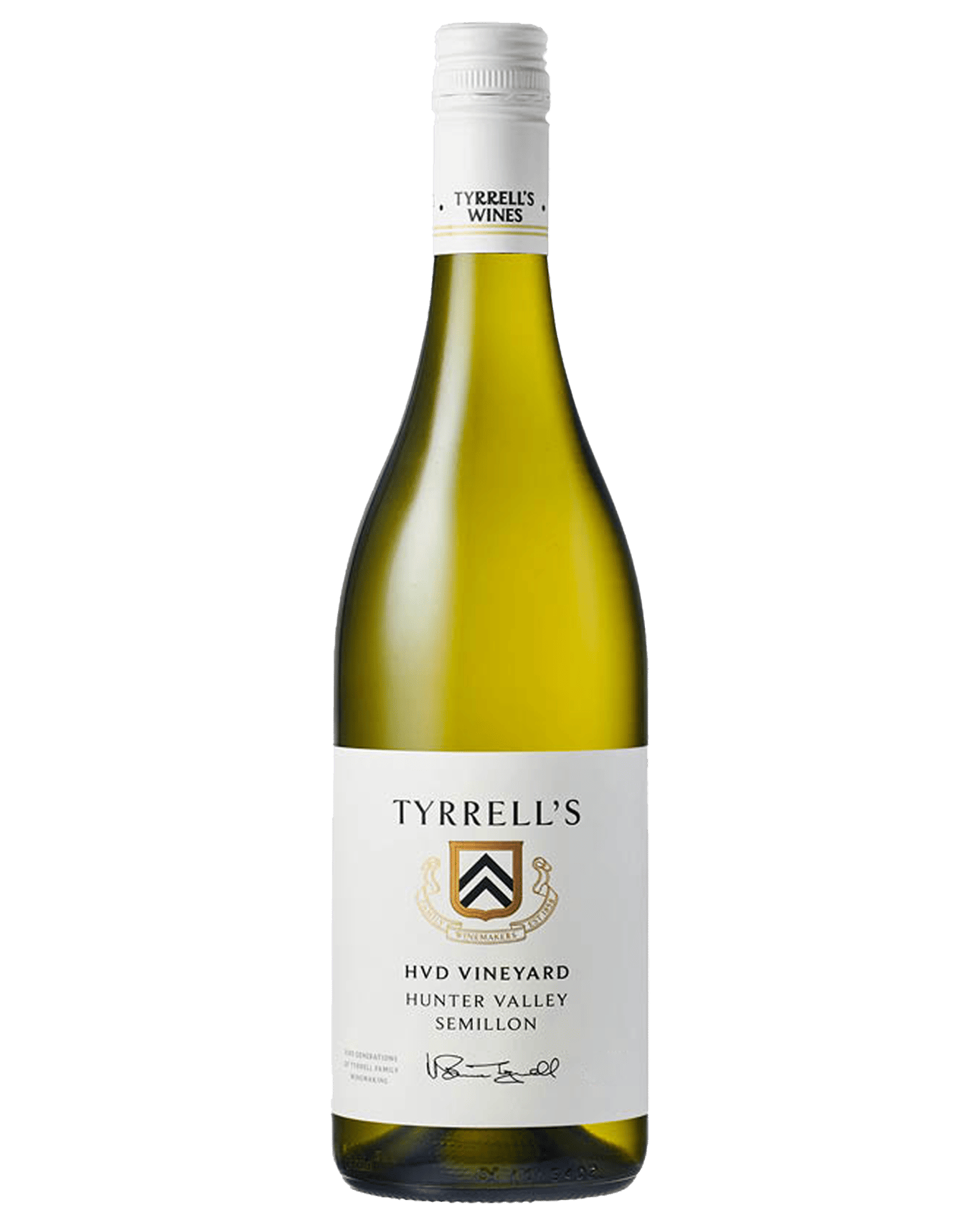
2. Tyrrell’s HVD Semillon
Tyrrell’s is one of the Hunter Valley’s oldest producers, and this semillon – one of the region’s flagship wines – is made from vines planted in the early 1900s. It’s a soft, bright and floral style of semillon, which will develop biscuity notes with age. It’s an excellent example of the region – and of older vines.
Click image to shop
Click image to shop
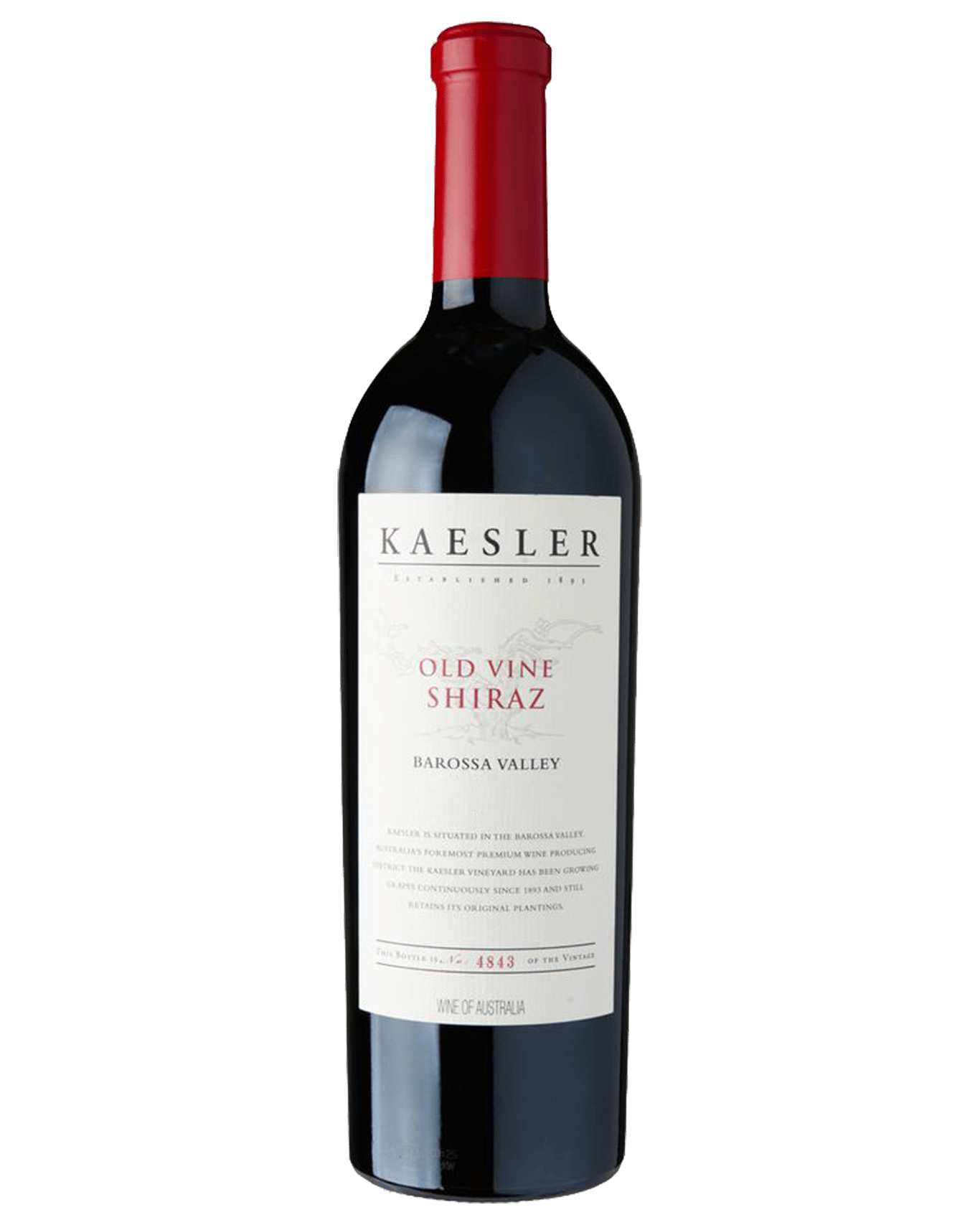
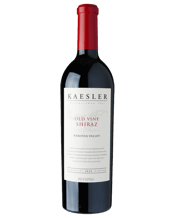
3. Kaesler Old Vine Shiraz
Made from a blend of fruit from three different old vineyards that sit around this Barossa winery, the wine is elegant, balanced and complex – everything you want in a premium red. If you only know Kaesler’s bolder shiraz wines, we suggest a few of you chip in to enjoy this wine – alongside a great steak.
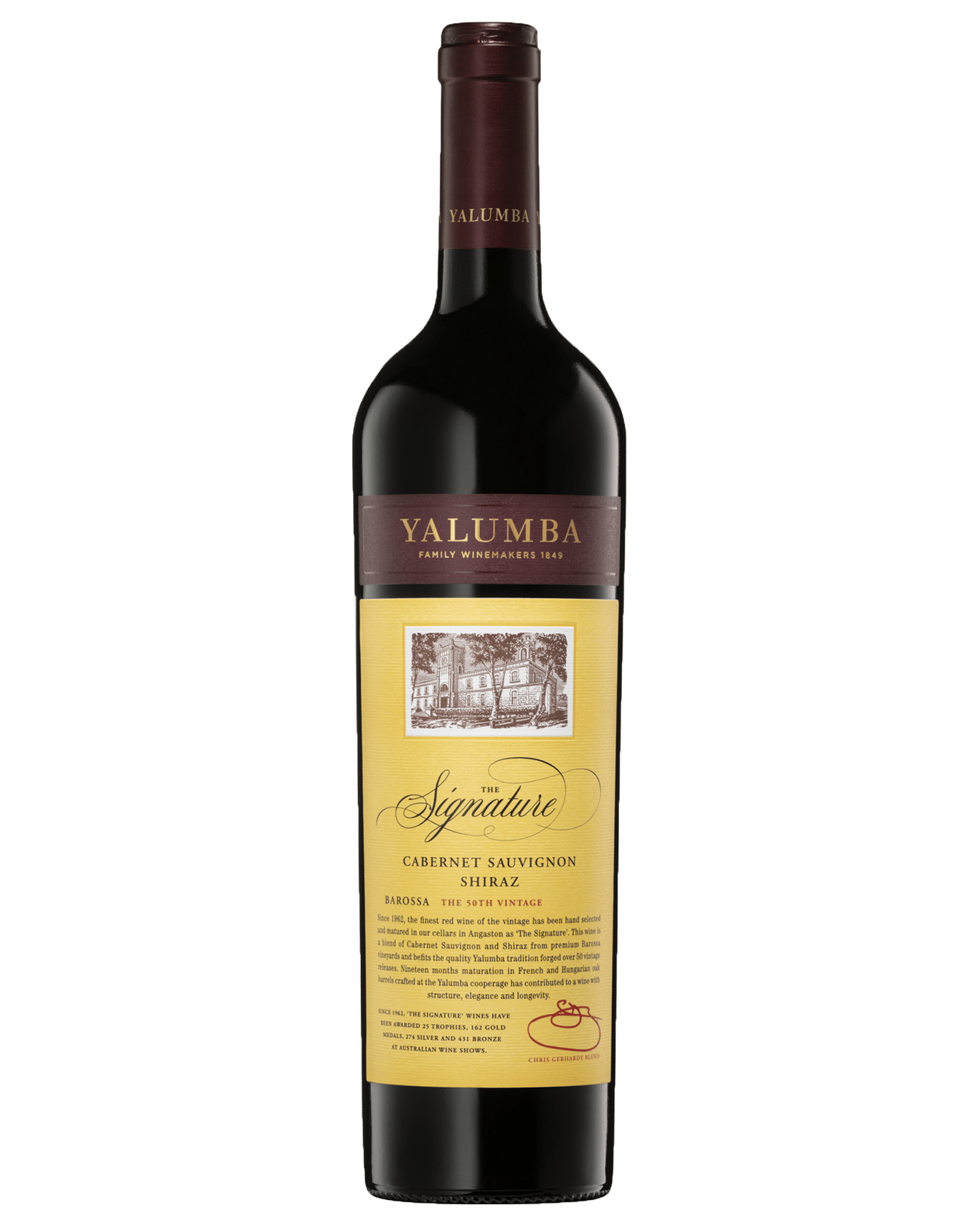
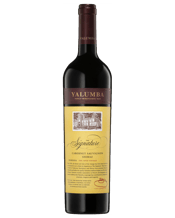
4. Yalumba The Signature Cabernet Sauvignon Shiraz
This wine isn’t made from the oldest vines at Yalumba, but still, some parcels of fruit in this classic wine come from Centenarian vines. An elegant red blend, this wine is perfumed with red and dark fruit notes, and it has generous rich fruit flavours and fine tannins.
Click image to shop
Click image to shop
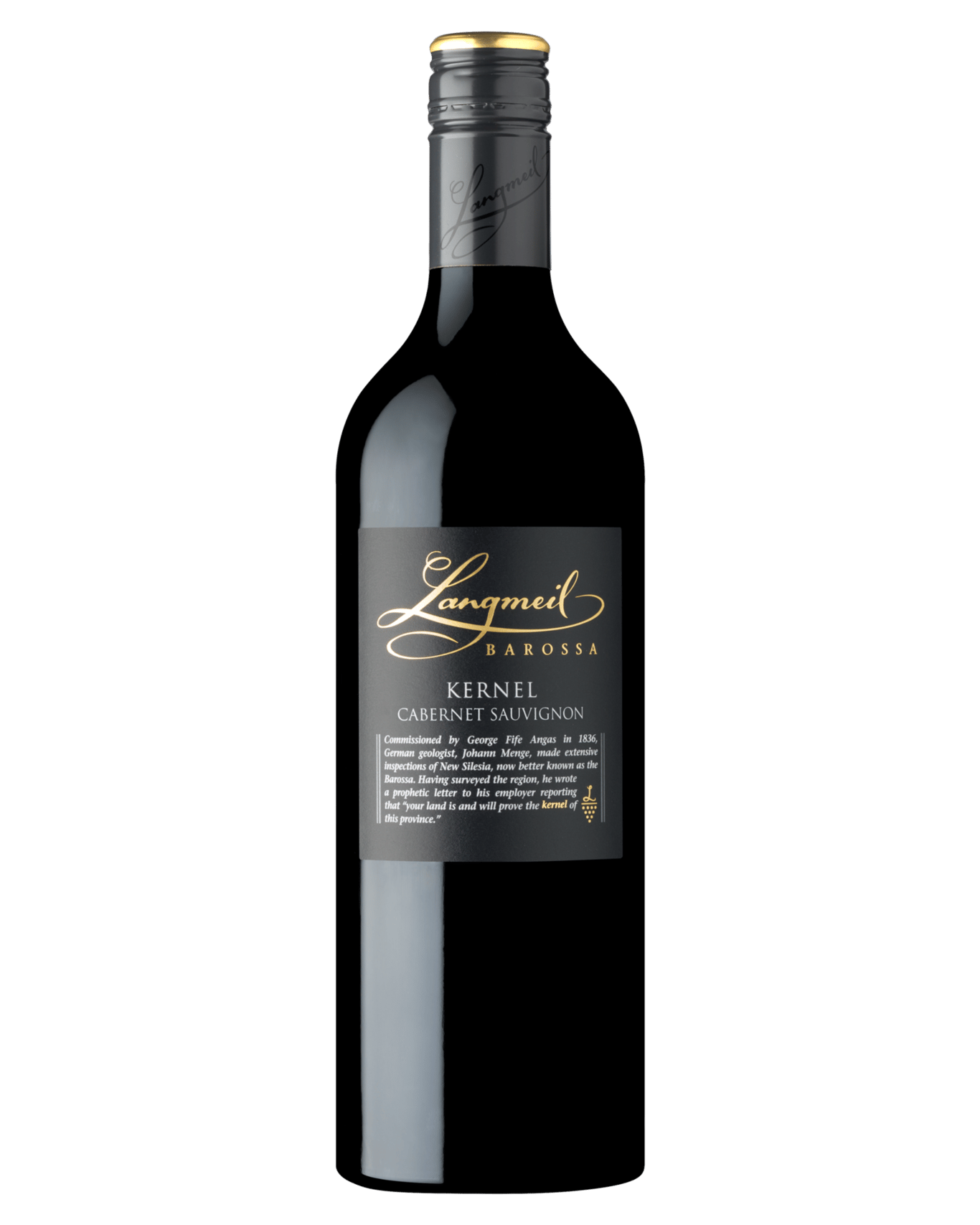
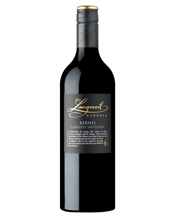
5. Langmeil The Kernel Cabernet Sauvignon
Langmeil’s The Freedom 1843 Shiraz is famously made from the oldest shiraz vines in Australia, so if you’re up for a splurge, seek out that wine. But we’ve gone with this cab here, as it’s a more accessible way to experience this Barossa winery’s old vines. Expect black, blue and savoury fruit flavours, wrapped up in a velvety, complex, spiced wine.
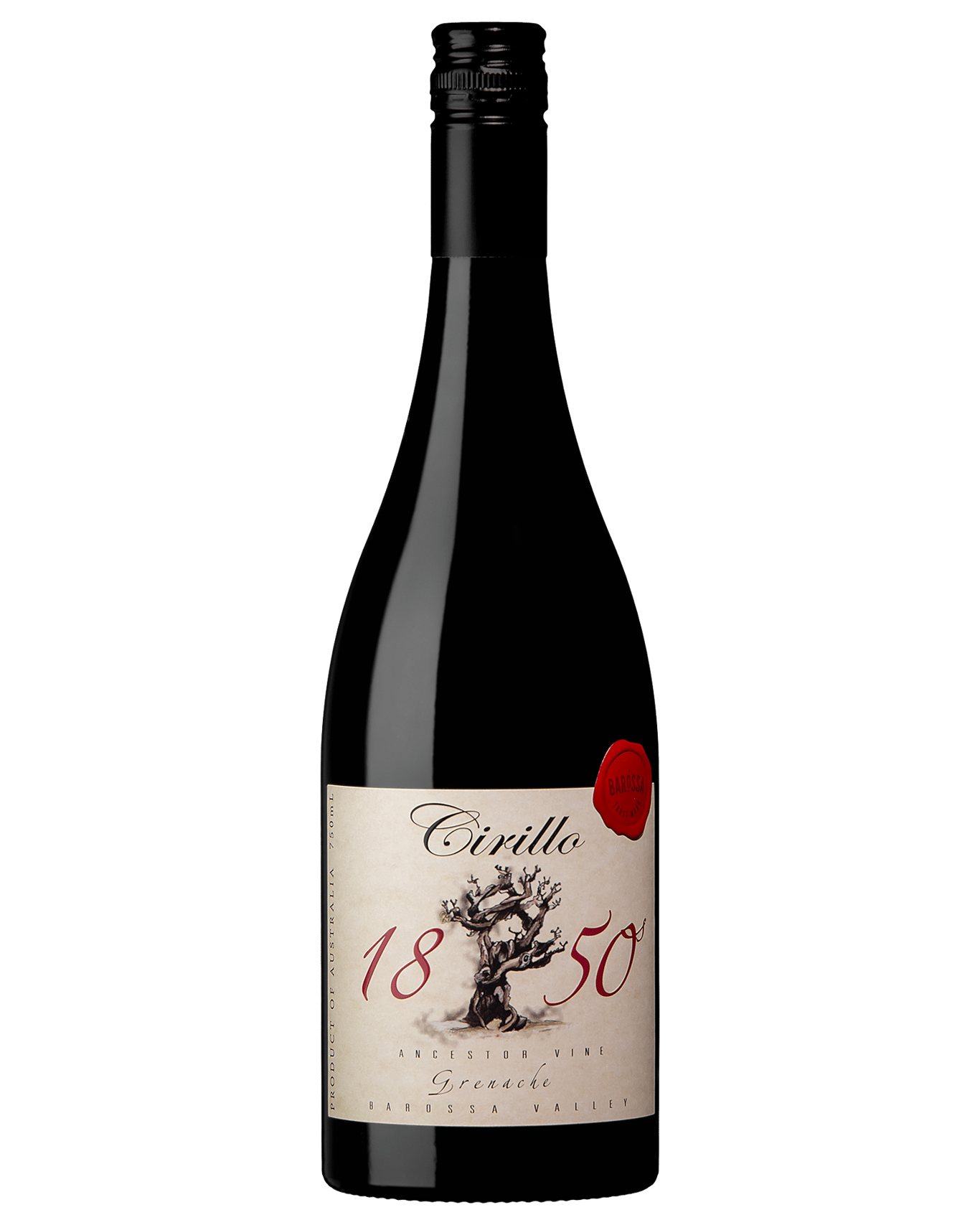
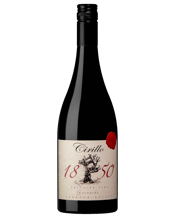
6. Cirillo 1850 Ancestor Vine Grenache
Vines for this grenache were planted – as the name suggests – all the way back in 1850, and you can expect a wine chock-full of flavour. Red fruit notes, and earthy, leather characters mingle together in this distinctive, complex expression of grenache. This is a special wine that’s full of history.
Click image to shop






%20(1)?$dans-daily-web-image$&hei=900)
?$dans-daily-web-image$&fmt=png-alpha&wid=800)