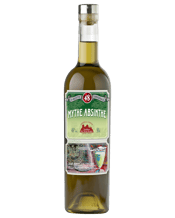
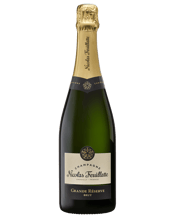
Yes, this is a dramatic name for a simple three-ingredient cocktail, but would you expect anything less from an Ernest Hemingway drink? Probably not. Maybe a little smirk, considering the Death in the Afternoon cocktail was originally made with a generous 45ml of absinthe before being topped up with Champagne. We’ve made some slight balancing adjustments, understandably.
Before Death in the Afternoon could run (become a cocktail), it had to walk (become a book). You know, character development. Different from other Hemingway-adjacent drinks (say, the Mojito and Daiquiri), this drink shares its name with Hemingway’s 1932 non-fiction book about Spanish bullfighting. Unravelling all the history and ceremony, Hemingway also feeds the deeper layers of courage, fear and death. Does this describe the drink? No. The opposingly effervescent drink was invented while Hemingway was enjoying absinthe in France. He writes his own rules.
The cocktail went on to be the proud opening recipe in the 1935 book So Red the Nose, or Breath in the Afternoon, featuring drinks by 30 famous authors. In Hemingway’s method, he urges pouring Champagne “until it attains the proper opalescent milkiness”, and to “drink 3 to 5 of these slowly”. That’s Hemingway math. Here – still with deep respect for the Nobel Prize-winning writer – we’re dialling back the absinthe and balancing the licorice-like flavour with a touch of sugar syrup, and of course, topping it all off with bubbles. Not so dramatic after all.