Juicier, fruitier and fantastic with food, these are the red wines making a mark.
It may be Spain's favourite grape, but tempranillo is well on its way to becoming a darling of the Aussie wine world too. The wine's appeal is twofold; its taste, and its suitability to Australian growing conditions.
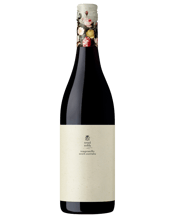
Tempranillo is known for balancing savoury and fruit flavours. Think leather and tobacco with blackberry and plum, as well as some vanilla if the wine has spent time in oak. It's medium to full-bodied with a smooth finish and structured tannins, sometimes being compared to sangiovese and cabernet sauvignon. Just like these two, tempranillo has proven itself as an excellent food wine, pairing particularly well with classic Spanish dishes like paella and chorizo – try them with El Cuidador Organic Tempranillo. It's got more bite to it than pinot noir, but isn't as aggressive as a shiraz, making it a crowd-pleasing wine that's great for both casual BBQs and fancy dinners.
There's a lot of excitement about tempranillo in Australia because it's really well suited to our climate. The grapes ripen early in the season, meaning they can be picked earlier to avoid extreme conditions and grown in most regions. Winemakers have found success from NSW's Hilltops region to Margaret River, and from the Barossa to Victoria's alpine vineyards. There's a lot of variation between a warm-climate and cool-climate tempranillos too, meaning winemakers have plenty of room to play around and experiment.

If shiraz is the foundation that the Australian wine industry was built on, pinot noir is its classy, council-approved extension. This delicate grape has found an attentive audience in Australia, thanks mainly to the hard work of winemakers in both Tasmania and Victoria. They've cultivated grapes in cool-climate regions like the Tamar and Yarra valleys, as well as the Mornington and Bellarine peninsulas, to create light, juicy and food-friendly wine.
It's not just local wine that's wowing Aussie drinkers either; over in New Zealand, the Central Otago region has played a big role in popularising pinot noir here. Their wines tend to be quite rich and intense, with a touch of spice complementing the classic cherry and strawberry notes. A great example of this is the Black Grape Society Master Pinot Noir, which brings boysenberry and bramble to the glass as well as those classic pinot characteristics.
A juicy, jammy drop that's primarily grown in Argentina, malbec has been underrated for years but is finally receiving the recognition it deserves. This grape loves sunshine and grows in both high and low-altitude regions, with the high-altitude examples having a thicker skin and more concentrated flavours, while the lower altitudes tend to produce richer wines with less bitterness. Generally speaking, you can expect a full-bodied wine with flavours of blackberries, cocoa, plum and vanilla, like the Marraso Daily Malbec from Mendoza.
Malbec has a promising future in Australia, having already found success in regions like the Clare Valley, Langhorne Creek and Heathcote. The largest plantings can be found in the Clare Valley, with the region experiencing warm days to help ripen the fruit and cool evenings to keep things steady. Being a full-bodied red, it's likely to appeal to fans of shiraz and pairs equally as well with red meats, making it a top choice (and an intriguing one) for your next barbecue.
If you're well-acquainted with pinot noir already, there are a few other reds that are definitely worth your time. One is gamay, the grape famous for producing France's Beaujolais wine, and like pinot noir, it's lighter-bodied and lively with cherries and berries at the forefront. It does tend to be a little less complex, making it a really fun wine to chill and enjoy during warmer weather.
Italy is also home to various styles of light to medium-bodied reds, all of which are fruit-forward and great with food, much like pinot noir. Barbera tends to be packed with notes of cherries and strawberry, despite its dark colour, while montepulciano is similarly juicy but with a bit more body, perfect for pairing with richer foods.
Though every palate is different, and wines will appeal to some and not others, we've no doubt that there's room for these wines in your glass. Whether you prefer your wine light, medium or full-bodied, there's an emerging style of red that's sure to offer something new, expanding your world one bottle at a time.