


There’s a short answer (no) and a longer one (yes). Let’s dig in.
The first thing to note is that great wine will always taste good, even if it’s sipped out of a paper cup. This is especially true when sharing wine with friends because it’s about the complete experience (tasty snacks help, too). Forget about finding hints of plum and earthy notes – wine doesn’t always need a full analysis. Even Italians are known to drink wine out of tumblers, and we’re big fans of that, too.
But we’re not actually suggesting that anyone serves their best wine in disposable cups. And wine glasses were obviously invented for a reason (many, in fact). These smart glasses have continued to evolve over the years to fully maximise a wine’s aromas, flavours and characters. So, if you want to get the most out of a wine, whether you’re cracking open a cheeky bargain or blowing the budget, a proper wine glass is the way to go. Because yes, it will make it taste better.

There are so many different wine glasses out there, including specific shapes for every wine style. These include glasses for Champagne (commonly flutes to retain the fizz, although there’s an argument for a wider bowl), chardonnay (often with a bigger bowl to release its characters) and shiraz (with a rounder bowl and more tapered rim to capture all those flavours).
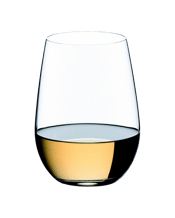
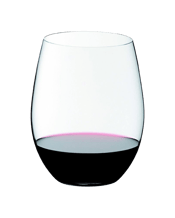
Then there are glasses with and without stems. Each style has its fans, but we all have that one mate who’s better off with a glass that’s harder to knock over. There are many other benefits, of course, with red wines in particular opening up nicely in a stemless glass as it warms with your touch (but more on that below).
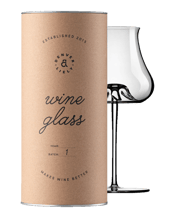
In addition, there are increasing options for ‘universal’ wine glasses that are designed to work for all styles of wine. This makes a lot of sense, unless you’re saving up for a complete set of glasses – and have the cupboard space to store them all.
Ultimately, wine glasses are designed to enhance everything that makes a wine special, which helps you to enjoy it even more. How? Read on.
Aromas
Stick your nose into any old glass and you’ll be able to smell what’s in there. But wine glasses are shaped in specific ways to better direct a wine’s aromas straight to your nostrils. This way, as you lift the glass to your mouth, your first impression is a hit of complex aromas that will set up the whole tasting experience.
This is important because smelling a wine has a major impact on how we detect and process its flavour. This is why wine judges will always take time to sniff a wine before they take a sip – it’s a critical part of a wine’s character as well as the tasting process.
Aeration
Oxygen may be a wine’s worst enemy if it seeps into a bottle before it’s opened, but once that cork or screwcap is off, air can help to release its goodness. Richer flavours and bolder tannins can soften in the glass as they react with oxygen, so bigger reds tend to suit glasses with larger bowls. But not every wine needs it – glasses designed for lighter, more delicate wines, such as aromatic whites, often have a smaller bowl and rim to help preserve all those nuances and make sure they don’t get lost.
Aeration is the idea behind decanting wine, which, again, isn’t necessary for every wine, but it can boost bold or especially perfumed reds and also help bigger or aged whites to open up.
Taste
Many glasses are especially engineered for the wine to hit strategic points of the tongue. This is because there are certain spots that better detect the different flavour profiles, including sweetness, acidity, bitterness, sourness and umami.
The shape and size of a glass rim will therefore influence how a wine lands in the mouth, helping us to taste the various elements that should – ideally – all come together in one lovely, balanced sip.
Temperature
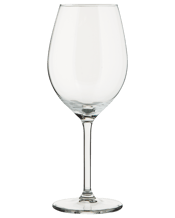
The best way to hold a glass of wine is by the stem. Wrapping your fingers around the bowl of a glass will warm up the wine, which isn’t always ideal. A glass of chilled, delicate white, for example, is just one type of wine that benefits from a stem to keep any hands off it.
That said, stemless glasses can be great at the dinner table because people put them down between sips throughout a meal and don’t cup the glass. However, as with literally everything else to do with wine, whether you go for stemmed or stemless glasses comes down to personal preference.
So, can those goblets we mentioned earlier do all this? A little. Are some glasses better than others? Absolutely. Brands like RIEDEL have been making glassware for more than 250 years, so they’ve had some time to nail it. But the good news is you don’t have to invest in 17 different types of glasses.
We all tend to have one or two favourite wine styles that we go for more than others, so it can be worth having a specific set for those couple of styles. But if you’re prone to breakages and not into a mismatched collection, it can be better to go for a universal glass or the one sturdier style.
Just like your best wines, though, don’t save the good glasses for special occasions – they’re made to be enjoyed and will elevate every wine experience, even if that means the odd breakage. In the end, the right wine glass is the one that’s right for you (but it’s probably not made out of paper).


%20(1)?$dans-daily-web-image$&hei=900)
?$dans-daily-web-image$&fmt=png-alpha&wid=800)