


It’s not just for wine snobs.
If you’ve ever ordered wine at a nice restaurant, done a wine tasting at a cellar door, or even just attended a fancy friend’s dinner party, chances are you’ve come across wine decanting. You’ve probably heard phrases like “letting it breathe” or “opening up the wine” as the sommelier, winemaker, or your bougie friend pours an entire bottle into a large glass vessel that you first mistook for a table sculpture – yep, that’s decanting.
But why do we decant wine to begin with? Decanting is all about ensuring you get the best taste out of the wine you drink. If you want to get sciencey, decanting increases oxygen exposure to the wine over a short period of time in order to improve its flavour. Wine Merchant Travis de Winton likes to think of decanting as waking up a sleepy wine. “Wine in a bottle is essentially in hibernation – locked up in a dark vessel and closed off. Decanting is the first time the wine really gets to wake up and stretch. That just means seeing the wine in its best possible light, aromatically and taste-wise,” he explains.
Decanting might sound intimidating – or like something only major wine snobs would do – but it’s actually very simple and even casual and amateur wine lovers will benefit from knowing the unbelievably easy ins and outs of the process. It’s a simple way to turn a good wine into a great wine – something we all deserve to enjoy.
To get our heads around decanting we sat down with Travis for a lesson on wine decanting 101. Below, he takes us through everything you need to know about decanting wine, from which wines to decant, how to decant wine, and the best types of wine decanters (including some that aren’t decanters at all).

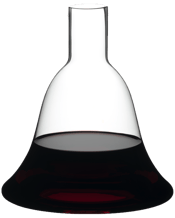
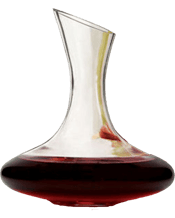
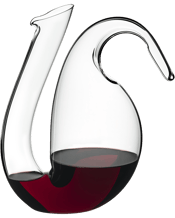
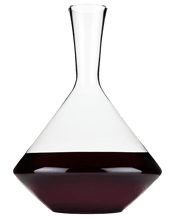
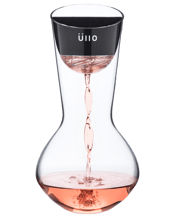
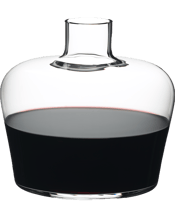
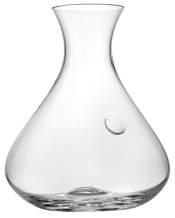
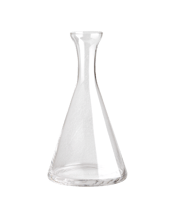
Wine decanters are specifically shaped vessels, usually glass, that allow wine to realise its full potential ahead of serving. They come in hundreds of different sizes and shapes, from simple to embellished (and some shaped like ducks!). What all good decanters have in common is a wide base with plenty of room for a full bottle of wine to aerate.
According to Travis you don’t have to break the bank to be able to decant wine at home. However, if you are looking to get yourself a dedicated decanter, Travis advises to start with something simple and versatile. “One that’s got thick glass because they're easy to chip when you wash them. And also look for something with a larger neck opening so that you can clean it properly.” (More on that later.)
It’s an easy way to make (some) wines taste better. How? There are two things that’ll happen when you decant wine:
The first is better flavour through aeration. Adding oxygen softens the tannins in the wine and brings out hidden flavours and aromas. If you really want to notice the difference, try a wine at different stages of decanting: straight out of the bottle, right after pouring into a decanter, and then again after decanting for an hour. You’ll notice changes in both the smell and taste of the wine over time as the oxygen opens up the wine.
Secondly, decanting helps remove sediment. Sediment in wine is natural but it can alter the taste. You’ll mostly see sediment in older wines and it’s more common in reds. Using a decanter helps catch sediment, first when you’re pouring it from the bottle and again when you pour a glass from the decanter. “Plus most decanters are glass so you can see if there’s sediment a little bit easier than when it’s in the dark bottles,” says Travis.
OK you’ve got your decanter, you’ve got your wine, and you’ve got some time. Here are the two most important, very simple, so easy you won’t believe that’s it, steps to decanting wine:
1. Carefully pour the wine from its bottle into whatever decanter you have on hand.
2. Let the wine sit for a period of time, usually between 30 minutes to an hour, and then the wine is ready to serve. Simply pour from the decanter into each wine glass and enjoy your newly decanted wine.
If the wine has been stored on its side in a wine rack, it’s a good idea to let the bottle stand upright for a few hours before adding it to the decanter. This will help any sediment settle at the bottom of the bottle. You can leave the sediment in the bottle with a careful pour, stopping with about a centimetre or two of wine still in the bottle, or when you see sediment appear in the neck of the bottle. This step is especially important for unfiltered wine and aged wine where sediment is more common.

Not all wine needs decanting, but most wine can benefit – cheap wine, expensive wine and everything in between. The most important consideration is the style and age of the wine.
Red wine is most commonly associated with decanting, especially the medium to fuller bodied varietals like cabernet sauvignon and shiraz. But don’t let that stop you from decanting lighter reds like pinot noir. “Pinot noir is a varietal that I think does extremely well from decanting because they're very ethereal wines. Afterwards you start to see hidden secondary and tertiary flavours come through,” explains Travis.
“White wine’s a tricky one though,” says Travis. “I like to decant chardonnay and any big or aged white wine varietals to help open them up. But for more expressive whites like riesling or sauvignon blanc you won’t see much difference from decanting – so skip it and save the washing up.”
An exception to decanting is sparkling wine like Champagne, which should be served chilled and straight from the bottle. It’s super rare that sparkling wine is ever decanted because the longer it’s exposed to air, the less effervescent it becomes. Another exception to decanting is natural wine, which tends to be more oxygen rich thanks to the hands-off approach in natural winemaking.

Decanting wine generally takes between 30 minutes and one hour, which leaves you just enough time to prepare dinner, read a few chapters of a juicy book, get in a home workout, or respond to those emails you’ve been ignoring. To be more specific, let’s look at decanting times by wine type:
Fuller-bodied red wine such as shiraz, cabernet sauvignon, and nebbiolo benefit from decanting for at least an hour or two – and sometimes longer.
Medium-bodied red wine such as grenache, merlot, and tempranillo can be decanted for between 30 minutes and an hour.
Lighter red wine such as pinot noir and gamay won’t take long, pop them in the decanter for up to 30 minutes.
White wine, rosé, and orange wines aren’t typically decanted unless they’re full-bodied and aged styles like chardonnay, which will need about half an hour. You can experiment with decanting other wines though, just try them out the bottle first and then in periodic increments from the decanter to find your personal preference.
It’s worth noting that really aged wines may require a shorter decanting time because of the delicate character of the older wine. Best practice is to carefully decant aged wine and check it periodically over 20-30 minutes to find your taste preference.
Not everyone is going to have a proper decanter on hand, but that doesn't mean you can’t decant at all – you’ll just have to get a little creative. “It all depends on your barware situation – you could just use a water jug, a vase, or any vessel you’ve got lying around that has a larger capacity than a wine bottle,” says Travis.
You also might have seen a funny looking device at the end of a wine bottle known as an aerator. Aerators are like a shortcut that can be used to rapidly decant a bottle of wine. The aerator oxygenates wine as it’s being poured into the glass to serve, straight from the bottle. “If you don't have the space for a decanter, or can’t be bothered, a little aerator works beautifully,” says Travis. “It's not the same as a decanter, but it certainly makes a difference to the wine.”
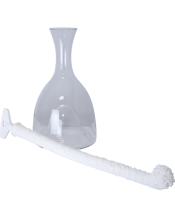
Decanters often come in odd shapes and sizes, making them slightly challenging to clean. While it may seem counterintuitive, it’s best to steer clear of soap when cleaning wine decanters. That’ll help you avoid soapy residue being left inside.
To clean a wine decanter you should rinse it with warm water, swirling the water around gently before pouring it out. Travis’s number one cleaning tip is to dry the decanter upside down. “Decanters aren’t the easiest thing to balance upside down. I find that if you grab an old-school wire coathanger, you can manipulate it to make a little base. Twist it to look like one of those snakes that sit up on their tail and then you can turn the decanter upside down on your bench and let it dry overnight.” Genius!



%20(1)?$dans-daily-web-image$&hei=900)
?$dans-daily-web-image$&fmt=png-alpha&wid=800)