


From its signature pale pink colour to its celeb-owned wineries, everything’s looking rosé in Provence.
From its signature pale pink colour to its celeb-owned wineries, everything’s looking rosé in Provence.
Provence is a wine-producing region in the southeast of France, bordered by the Alps on one side and the Mediterranean on the other. The region has been producing wine for the last two-and-a-bit thousand years, but it’s only in the past few decades that Provence has become known for – and majorly interested in producing – rosé.
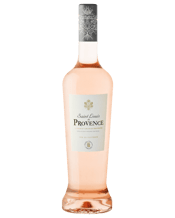
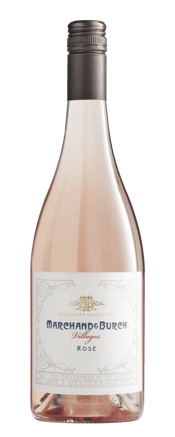
Part of this appeal is definitely the style. Like you’d say Barossa has a shiraz style of its own, Provence has its own rosé. It’s pretty much always pale pink – in some vintages, it’s near translucent – with flavours like spice, red fruits and citrus, backed with a fresh acidity and a crisp, dry (that is, not sweet) finish. That’s not to say all Provence rosé comes out the same – the region is huge and there are plenty of variations on the theme – but this is the style that has left its imprint everywhere.
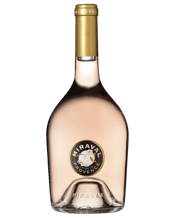
Beyond being open to dry rosé in general, another reason we’ve adopted Provence as our go-to is fashion. When our favourite celebs jump on a trend, we’re pretty happy to follow, and that’s definitely happened with Provence rosé. The big one is Miraval, the winery bought by Brad Pitt and Angelina Jolie in 2011 (though Angelina has since sold her share of the biz), but other big names like Kylie Minogue, John Legend, John Malkovich and Post Malone are making (or commissioning, at least) their own Provence rosé.
In most winemaking regions of the world, rosé is at best a small chunk of total production. In Provence, though, rosé makes up 90% of all the wine produced. That’s big business. It means that local winemakers put a little extra care and attention into getting their wines just right, using some interesting techniques to make it happen.
The two big characteristics that winemakers and drinkers expect from Provence rosé are taste/flavour and appearance. For the former, winemakers pick their grapes (generally grenache, syrah, cinsault and/or mourvèdre) at night, which means that even the ripest grapes retain their crunchy acidity. For the signature pale rose-gold appearance – which comes from the gentle colouration of varieties like grenache – grapes are gently pressed and briefly left in contact with the skins. Winemakers often use a technique called chromametry to precisely measure the wine’s colour.
Other factors that contribute to the Provence style are sun (an average of 3000 hours a year, which sounds nice), low rainfall and the Med’s cool maritime breezes. It all seems like the perfect atmosphere for sipping rosé, honestly.
Rosé is getting big over our side of the world, too, and not just with drinkers. Some of our biggest wineries are well aware that Australians are prioritising the dry, pale pink rosé style coming out of Provence. And, understandably, they’re happy to have a crack themselves.
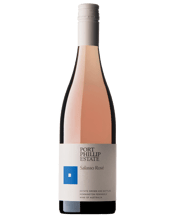
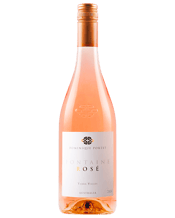
It all means that, these days, you’ll find winemakers growing grapes just for making rosé (something that has not always been the case) and producing Provence-inspired wines that tend towards being pale and dry. Not being Provence, though, there are plenty of differences, with terroir (which includes climate and other growing conditions) and grape varieties among the biggest. We Aussies are making rosé in regions like the Yarra Valley, Barossa and Margaret River – which all have very different climates – with grapes like pinot noir, cabernet sauvignon and sangiovese, which aren’t part of the allowed varieties in Provence (we do use a few of theirs, though, like grenache).
Now that you’ve read about it, you probably want to try (or re-try, if you’re anything like us) some Provence-style rosé, right? Well, here are a few things to keep in mind:
Not all Provence rosé is made equal
Provence has nine appellations (or subregions) – Côtes de Provence, Coteaux d'Aix-en-Provence, Les Baux-de-Provence, Pierrevert, Bandol, Cassis, Bellet and Palette. If you’re looking for the pale pink, light, fresh and zesty style, it’s not hard to find, but keep in mind that each region can be slightly different. Côtes de Provence wines, for instance, are typically of the popular style but rosé from Bandol is made with mourvèdre and the result is often fuller, age-worthy wines.
Don’t judge a rosé by its colour
While Provence has made pale pink its signature – and we totally understand the appeal, because it’s a beautiful shade – it’s not always safe to appraise a wine based on colour alone. Just because one wine is darker than another (even within Provence) doesn’t mean one is sweet and one is dry, for example. A better way to gauge sweetness is to look at the alcohol content. In general, the higher, the drier, so anything above 11% or so should be dry (13% is proper dry), while those in single digits will likely be on the sweet side.
Australian wines tick the same boxes
The popularity of Provence rosé has (at least in part) led to a big upswing in quality Aussie rosé. And with such a wide variety of regions and grapes at our disposal, it means there are a lot of wines in a Provence-ish style (dry and pale) but with some unique characteristics. Pinot noir – a popular grape for rosé in places like the Yarra Valley – can make savoury, textural wines, while sangiovese can lead to bright cherry flavours. It’s all worth exploring.






%20(1)?$dans-daily-web-image$&hei=900)
?$dans-daily-web-image$&fmt=png-alpha&wid=800)