


When it comes to gin, juniper plays the leading role.
Distilling with juniper started with honest and modest intentions. The botanical’s first spirit usage was documented in the 11th century by monks for medicinal purposes (the original motives for many spirits, would you believe). In southern Italy’s Salerno, a place surrounded by juniper trees, the tiny cones from the piney coniferous trees were collected and used to make alcoholic tonics – one of many times juniper would be used for remedial reasons. This included the ancient Egyptians using it to cure tapeworm, the Romans applying it to help with digestion, and doctors apparently even stuffing it into their beaked masks during the Black Plague.
Proving to be quite the popular elixir, Dutch alchemists discovered an affordable way to distil the botanical, and gin and juniper (now sounding like a protagonist star-crossed couple) burst into a new phase – its ‘chequered’ period. It was first known as ‘genever’ (hear the ‘gin’ in that?), then as ‘Dutch Courage’ during the war, and then not-so-affectionately as ‘Mother’s Ruin’ during the 18th century in London when gin became embedded in British culture. Gin continued to peak and trough as laws were made to curb its consumption, influence sales and ensure that any gin sold did actually have juniper in it.
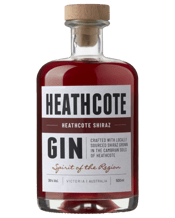
With such a fluctuating reputation, the spirit has shown, well, great spirit in its ability to reinvent itself and become relevant time and again. Just look at it now – from the simple just-juniper origins, you can now find gin distilled with a cocktail of native and unique botanicals, and in a rainbow of colours – how about the deep red of wine gin? If those monks only knew.
Gin is a neutral-ish spirit, often interchanged with vodka (we’re looking at you, Martini), but there’s a reason you pick one from the other. While both can be made from just about any base spirit, distilling with juniper gives gin that distinct herbal-piney flavour, with hints of citrus and florals, and an underlying bitter edge. Gin is dependent on juniper for the medicinal-like essence. Considering its past, this makes sense.
Fortunately for gin, the intense legalities end there, and the spectrum of botanicals begins (the complete opposite of vodka, which distils to remove any excess flavour). The usual supporting acts are coriander seed, citrus peel, angelica and orris root, but with the recent resurgence of gin, the botanical shelf has grown.
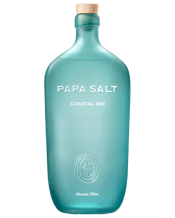
In such a classic, resilient, gin way, this spirit is now made by everyone from burgeoning distillers to celebs (like Margot Robbie’s Papa Salt Gin), and in so many different ways, with plenty more botanicals from plenty more places. In recent years, producers all over the world have been utilising their local botanicals (like the monks, you could say) to make an array of new-world gins.
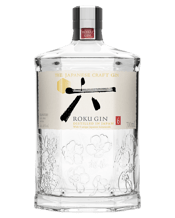
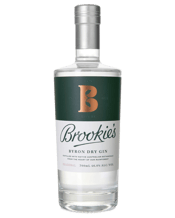
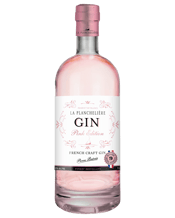
Take Japan’s popular Roku Craft Gin, combining eight classics with six distinctive Japanese botanicals, such as yuzu peel and green tea, or Italy’s Malfy Con Arancia, distilled with the peel of Sicilian blood oranges for a vibrant red colour. Of course, Australia has its own abundant range, too. Adding native ingredients, such as native green ants to Seven Seasons Green Ant Gin (traditionally used by Indigenous Australians for their medicinal qualities, a familiar botanical trait), the array of local gin on offer is only getting bigger.




%20(1)?$dans-daily-web-image$&hei=900)
?$dans-daily-web-image$&fmt=png-alpha&wid=800)