

What counts as organic, is it always expensive, and is it any good?

Click image to shop
What makes a wine ‘organic’?
It’s simple – organic wine is wine that’s been made without the use of any synthetic chemicals whatsoever. In lieu of things like herbicides and pesticides to keep the weeds and bugs out, growers use clever natural tactics to work with nature, not against it. That might be planting crops that encourage helpful insect allies, or putting teams of hungry sheep to work grazing between the vine rows. It’s all about creating a self-regulating, natural ecosystem that eliminates the need for artificial agents. Nice.
In Australia, for a wine to call itself organic it has to have an official tick of approval from an independent third-party, like Australian Certified Organic (ACO) or the National Association of Sustainable Agriculture (NASAA). An arduous, multi-year certification process and yearly audits ensure that the whole winemaking process – from growing to bottling – complies with strict standards. With that in place, winegrowers can use organic methods to create drops of every style and colour, even bubbly. Tasmania’s Stefano Lubiana offer up a highly sought-after NV brut that competes with the world’s finest.
It’s true, there are wines out there made with organic processes that aren’t certified. Perhaps they’ve used organic grapes, but topped it up with a man-made preservative that kills its eligibility. Many small producers can’t afford the certifications, and others forgo this regulatory distinction for political or philosophical reasons. There’s many great wines and makers that fall into this group, but without that official sign-off, you’re relying on the honesty of the winemaker to truly do what they say. So do your research, and when in doubt, look for the ACO or NASAA logo on the bottle for a guarantee that it’s passed the test. And remember, organic doesn’t equal vegan or added preservative-free. If that’s what you’re after, make sure you see those words specifically. Temple Bruer’s Preservative Free Cabernet Merlot nails all three categories.
Australia’s organic history
Of course, grapes were grown this way for centuries before synthetic chemicals were introduced. But nowadays, it’s definitely in the minority and sometimes cops a bad wrap as conventional wine’s less reliable cousin. After all, there’s a reason people started using chemical additives in the first place – they help significantly with shelf-life and consistency. But things have come a long way since then and the latest numbers show that organic wine is growing in popularity by more than 50% each year.
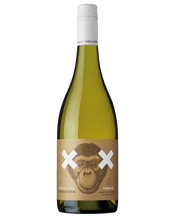
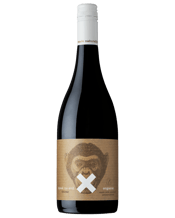
The rest of the world has taken note, too. We ship a hell of a lot of wine overseas, and an increasing portion of that is organic. Fun fact: the Swedes are particularly fond of it, with 49% of all our organic wine exports going their way. Wines like the Hear No Evil Organic Sauvignon Blanc and Speak No Evil Organic Shiraz can be found across the globe and after tasting, it’s easy to see why. Organic wine may still be relatively small compared to the conventional stuff, accounting for just .42% of the Australian wine market, but the stats don’t lie – more and more of us are hopping aboard the organic train and we’re not jumping off anytime soon.
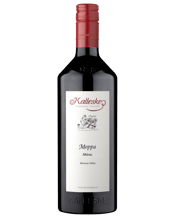
For the wine history buffs out there, Gil Wahlquist was Australia’s original organic wine pioneer. In 1984, his Botobolar vineyard in Mudgee became the very first certified organic vineyard in the country. Now we have exciting, young producers embracing organic growing methods, but many classic names are also in the game. Take Kalleske, for example, the label whose 150-year-old vineyard became the first in Barossa to be certified organic and biodynamic back in the 90s. Try their Moppa Shiraz for a shining example of organic done right.

Click image to shop

Click image to shop
Is organic wine better for me?
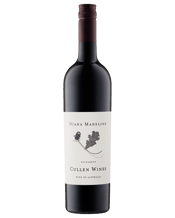
The million dollar question. Some argue it’s better to only put totally natural things into our bodies, but that doesn’t mean non-organic wine is bad for you. In fact, by a very large margin, most of the wine we drink isn’t organic and there’s very little research to say that that’s a problem. But it’s certainly a better choice for the planet, and given that’s where we live, that’s nothing to be sneezed at. The internationally renowned and multi-award-winning Cullen Wines take their sustainability ethos very seriously – they’re actually both a biodynamic winery and the only carbon positive winery in the Margaret River region. And it pays off – their Diana Madeline cabernet blend is one of their many wines that have been bestowed with the highest possible Langton’s classification (the ultimate honour for Australian wines).
For most, drinking organic wine just comes down to taste. If you’ve ever grown your own tomatoes, you’ll know what we mean when we say that organic produce has a certain vibrancy, and it can be fun to taste things just as nature intended. But as with anything else, organic doesn’t guarantee better quality. Just like non-organic wine, the calibre varies wildly and is all about your personal preferences. The best thing to do is get sipping and find out what you like for yourself!
Does organic equal expensive?
Yes and no. Organic grapes are at the mercy of the elements and take a lot of labour to protect. Lower yield (AKA fewer usable grapes) means limited batches of wine, plus there’s the hefty certification costs to factor in. Many organic wines are truly artisan, handmade products and sometimes you might see this reflected in the price.
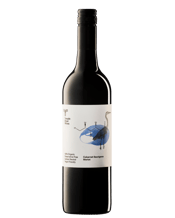
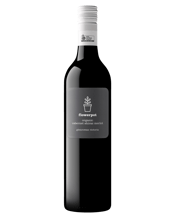
But while that was true of nearly all organic wine five or ten years ago, these days that’s certainly not the case. As it becomes more accessible, so do the prices, and today’s drinker can easily find a solid bottle of organic good stuff that doesn’t hit the wallet hard. Case in point, the wine coming out of the fourth generation growers at Farm Hand (like their Organic Cabernet Sauvignon) is bottled proof that organic wine can be both remarkable and affordable. Or the Organic Cab Shiraz Merlot from Flowerpot – a wine with seriously rich flavours that you don’t…. Just like conventional wine, organic wine comes at all price points. So if it’s something you dig, be it for its wonderfully raw flavour or its harmonious practices, it’s absolutely worth giving it a go.

Click image to shop